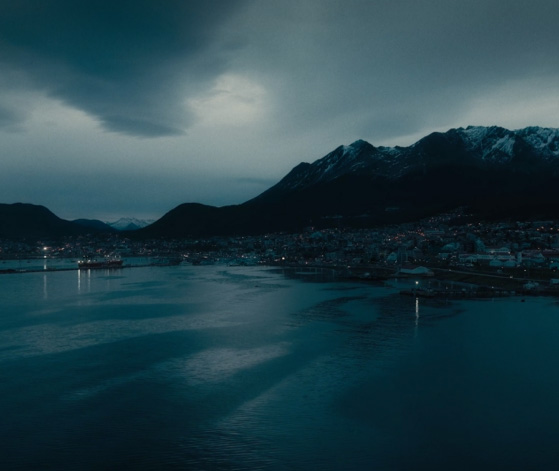
Walking gently on the Earth
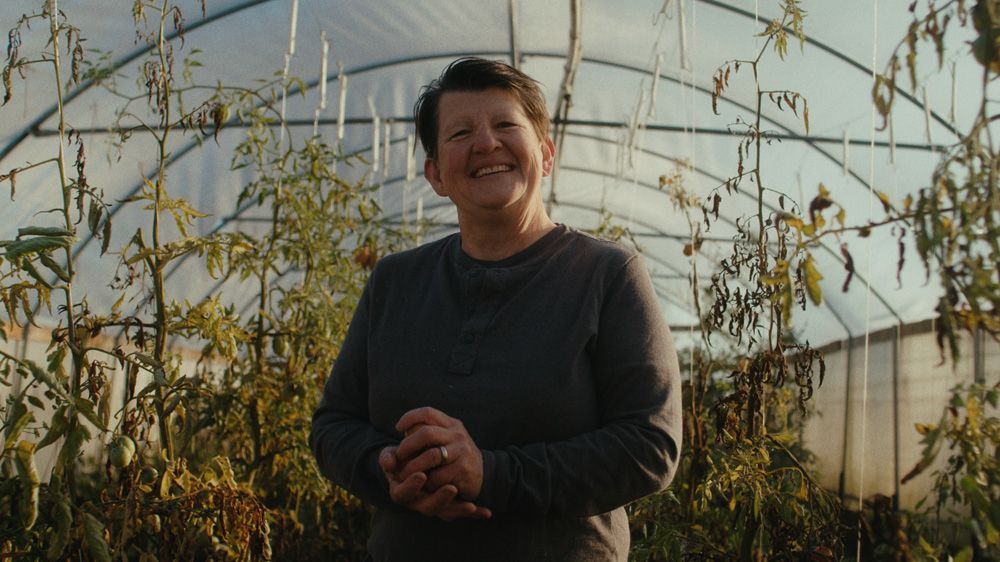
“Because I am interested in the art of cooking, I was naturally drawn to featuring a chef or a gardener of some kind. I guess I’ve been thinking about shooting a project like this for well over a year. I wanted to do a short doco around someone I could really relate to. Someone who lives their life by walking gently upon the earth. And when I first heard of Annie Smithers and her approach to food and life, I just love the way she is connected to her farmland.”
“My whole aim for this project was to be a message of slowing down and taking time to appreciate the nature around us. In a world of fast food, fast fashion and a focus on efficiency, we have become incredibly wasteful. Annie’s story is all about slowing down and appreciating the land she is connected too. So everything about this film needed to be slow and organic. What I love most about this project, is it shows the Australian landscape and light in a totally unique way.”
“Annie owns a French farmhouse style restaurant called du Fermier, so she is super passionate about food and cooking. We pretty much instantly connected as people. We found ourselves talking for hours about her purpose in life. She is a person who knows her own story and is a natural storyteller. So she was the ideal person for this project.”
“Annie wanted to be able show the gardens and produce from her farm during the best growing season, but the sun is too harsh then. And so we decided to take our time and shoot when the season had changed to autumn, which is in April and in the cooler months. The light at this time of the year is probably more like October in Europe, which lends itself more to the style of this project. Although the light is softer and more gentle, the sun is still incredibly strong in this part of the world. And you really have to plan your shooting times for the best available light.”
“Even though we were shooting during the cooler months, my shooting window was only from 6.30am until 8.30am. By the time it is 9am here, the sun is already sharp and bleaching out the colours of the landscape. Although this shoot was over two days, in reality you have no more than 2-2.5hrs of quality light to work with each day.”
“You have to plan for these sorts of shots in Australia. When the sun is low down on the horizon, you can get tricked into thinking you have more time than you have. The sun in Australia suddenly pops up and then all of the colors of the landscape change. There is no in between. The sun is either low down and soft or it is fully in the sky bleaching the landscape; and there is only so much you can do in post to color match. Although I was trying to convey a sense of timelessness and being slow and measured with time, the reality behind the scenes, is that I was racing the clock each day with such a short shooting window.”
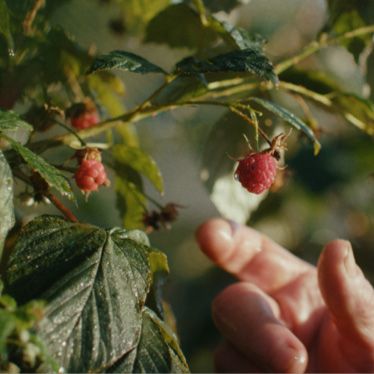
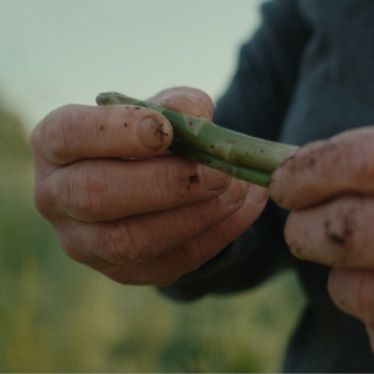
“I guess this is where shooting in Blackmagic RAW with the Blackmagic Pocket Cinema Camera 6K Pro with cine primes really helps. I shot this piece at T 2.1 on Vespid 25mm and 50mm full frame primes, which is wide open. I just love the softness these lenses bring to this project. They give everything this filmic magical, almost European quality of light.”
“Because I like to underexpose my work, I find with BRAW that I have so much more room to land my exposures where they need to be. Which is important when you are shooting a project like this one, where the story is told through the earthy texture of the land and the beauty of the light.”
“I find that BRAW has this awesome option for highlight recovery. You can see the waveform in DaVinci Resolve, as this setting adjusts and flattens out the curve for you. It’s just another really great benefit of shooting in BRAW as apposed to another codec, like ProRes. You can just do so much more. And the BRAW files in DaVinci play just like a video codec; you wouldn’t believe they are RAW files.”
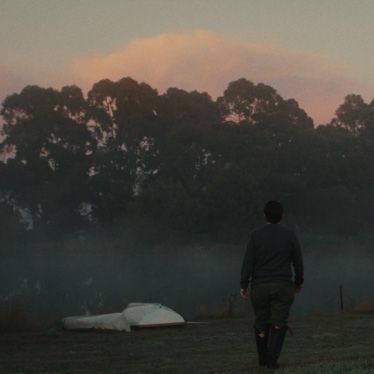
“The other key element to getting the right look to these images, is external lens filters. Because I am using cine primes, I need to be very specific with the sorts of filters I use to capture that filmic look. I love using Pro Mist filters to enhance the highlight roll off and highlight bloom, but you have to be careful not to create too much halation in sunlight. Because my cine primes are already pretty soft, I use and IR cut filter first, then a 1/8 Pro Mist filter and then a variable NiSi NDs. Being able to adjust beyond 6 stops is really important when the look and feel has to be organic and earthy like this.”
“The key part to this film was Annie’s narrative. After the first day of shooting, we ended up sitting in her farmhouse kitchen discussing life. Before long Annie was in the garden picking fresh vegetables and herbs for our breakfast. Once we had settled in with a coffee, I got Annie to talk about her life and the land, while I recorded everything on a field recorder.”
“The whole experience with Annie was everything I had dreamed it would be. Her farm at Lyonville is just magical with so many beautiful things to see and appreciate. Annie was incredibly comfortable and natural on camera and so happy to speak about the things that matter to her in life. The whole project was a great success.”