Throw Me to the Dogs
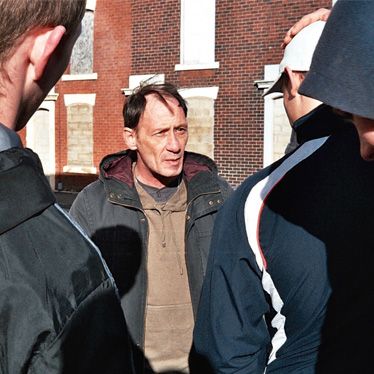
“In directing this film, I took some of the techniques inspired by British director Shane Meadows, allowing my cast to heavily improvise and street casting real non-actors. We shot the film in just under a week around the demolished terraced houses in Blackburn where I was born, and where some of my family still live to this day.”
“I wanted to bring my actors into the the story as much as possible, getting them totally involved in the narrative to see where they thought the story should go. It was great to be able to make a film so close to my heart as this one.”
“I made this film while I was living in London, studying at film school. Living in London made me realize how different it was back home. It’s a completely different atmosphere for school children growing up in smaller towns, than it is in a city like London. That’s what I wanted to show with this film, the sorts of things that really go on in a place like Blackburn.”
“Although the environment, landscape and locations within Blackburn were as important to this story as the characters and narrative, I wanted to tell a story that people could relate to, the world over.”
“The first thing we did in making this film, was to put out a casting call in the local newspaper. We had some great responses, but they weren't really the kind of kids we were looking for. I knew that if we were to find raw talent, the type of kids we wanted weren't going to come to us, so we had to go and find them ourselves. We contacted many local schools in Blackburn, but surprisingly, only one came back to us! Fortunately, we pretty much found everyone we were looking for out of that one school.”
“I wanted to make the street gang in the film a mix of age groups, which is true to what I remember growing up. The group was formed of kids ranging from 11 years old right through to 21 years old, and although it was such a broad age range to be hanging round, it just worked. The dad in the film, played by Peter Quinn, is also from Blackburn and does some extra work around his day job, so he’s been in a couple of short films and I’d worked with him before. The character of Dylan, played by Lewis Bradshaw, is actually Peter’s foster-son in real life, which I found very interesting and it added an extra layer of authenticity to the film.”
“Lewis has Aspergers Syndrome in real life, so a lot of the things that happen in the film come from his direct experiences at school, such as the bullying scene. This film was almost his chance to get ‘a one-up’ on everyone who’d given him a bad time, by getting his part in the film. Hopefully, when the audience are watching him, they connect with his character and feel sorry for what he has to go through.”
“Only the two main actors had seen the script, but not the supporting cast, so they had no idea of where the story was going. This worked so much better for the film, because instead of having them acting, they were in fact reacting to everything that was happening along the way.”
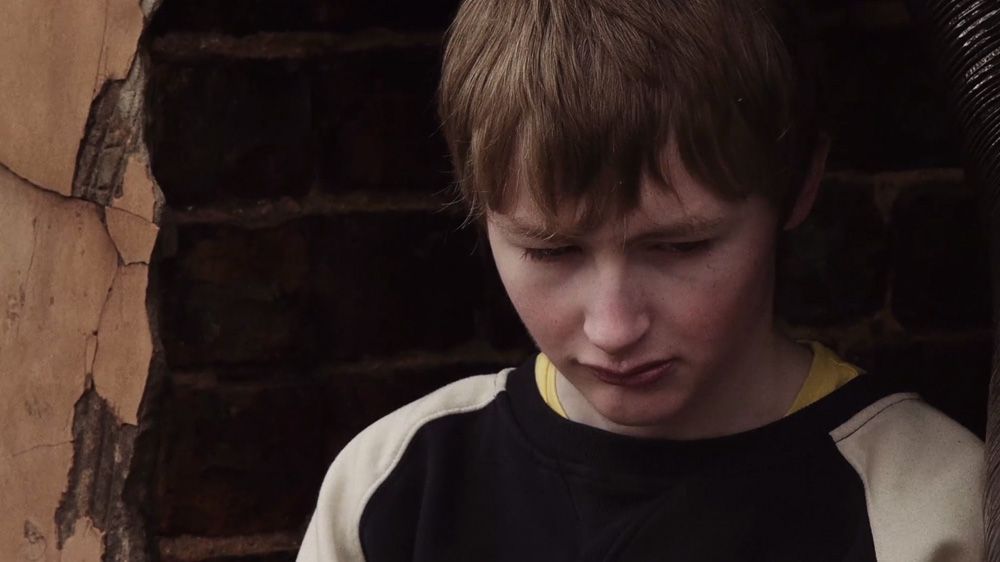
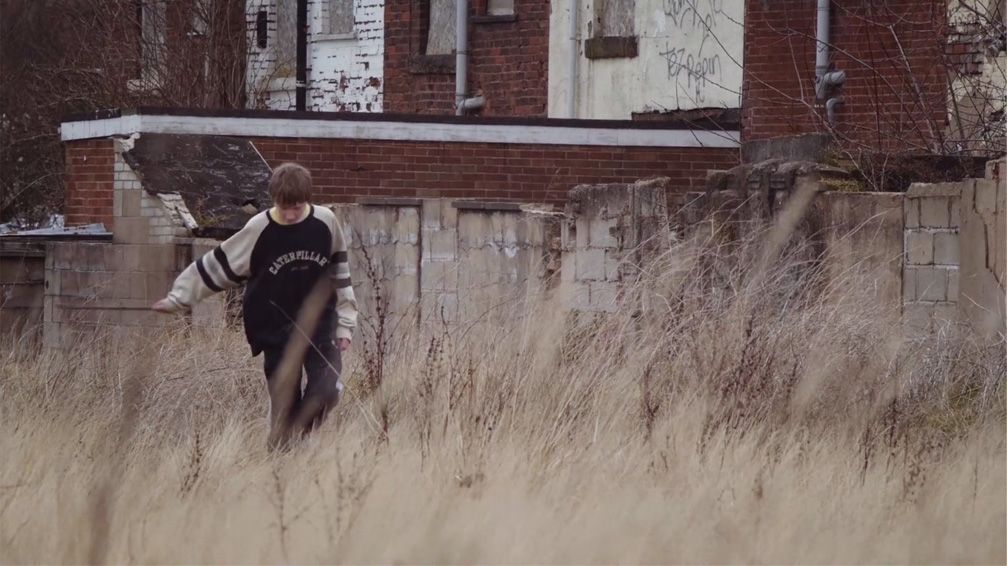
“Because all of the dialogue was unscripted, with the exception of a few scenes, no one knew what to expect next!”
“I think this approached worked really well in the end. For example, the kids run around the alleyway after smashing Quinny’s window, they had no idea that he would jump out on them. We simply told them that we needed a shot of them running, and positioned the actor to jump out as a surprise. The resulting scene was all used as a one take shot, and definitely felt very realistic.”
“Because all of the dialog was unscripted, with the exception of a few scenes, no one knew what to expect next! Not knowing what was going to happen in each scene, sort of kept the whole crew excited and helped to keep everyone’s energy up.”
“I shot this film while I was in my second year at university, so the sort of kit we had access to was very limited. In the end, we shot the film with two second hand Panasonic GH2s and old Minolta MD lenses which I found on eBay for about £30 each.”
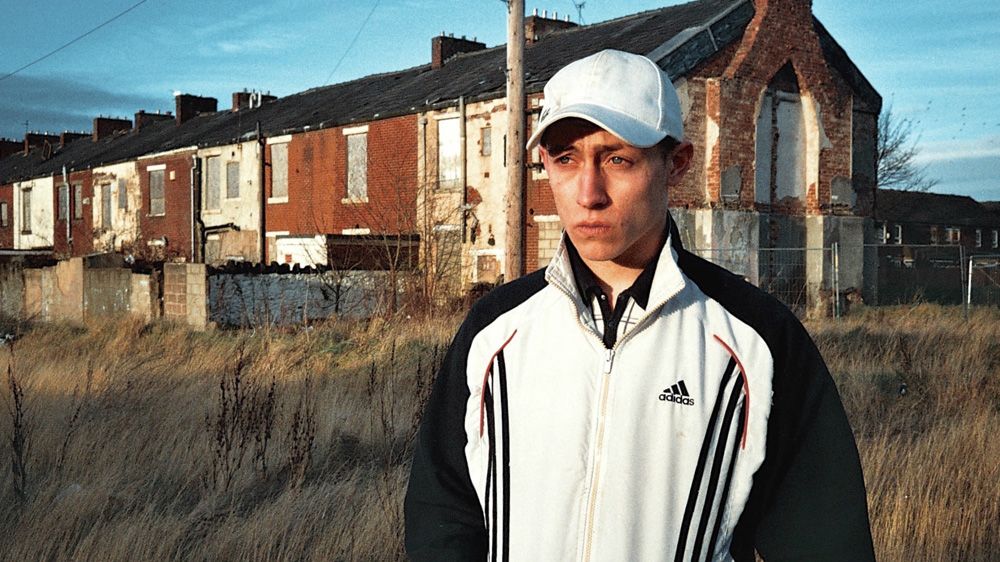
“Everything was done as cheaply as possible, which took a lot of pressure off in terms of our expectations. We tried to make it feel as much like film as possible, because we didn't want to make it too clean or beautiful. We almost wanted to degrade the look a bit, to better match the environment we were shooting in. When it came to doing the colour grade, we used FilmConvert.”
“We received great praise and feedback after finishing the film at university, so I decided to submit it to film festivals and competitions around the world. It became quite addictive, and in total I think I ended up submitting to around 200 festivals in total, most of which were free.”
“We had a fair amount of success in the end, winning 9 awards in total with screenings all over the globe. One of the best moments was winning Danny Boyle’s Shuffle Festival for best film in the Young Filmmakers category. I didn’t know much about the festival, but thought I had nothing to lose spending a fiver to submit it after a friend told me about it.”
“We ended up going to the awards event which was held in Tower Hamlets in London, in the middle of a graveyard at night. It was such a surreal experience, and after the screening of our film out pops Danny Boyle before it was soon after announced that we’d won. The prize was worldwide distribution in over 240 countries via MUBI as Film of the Day.”