The Vessel
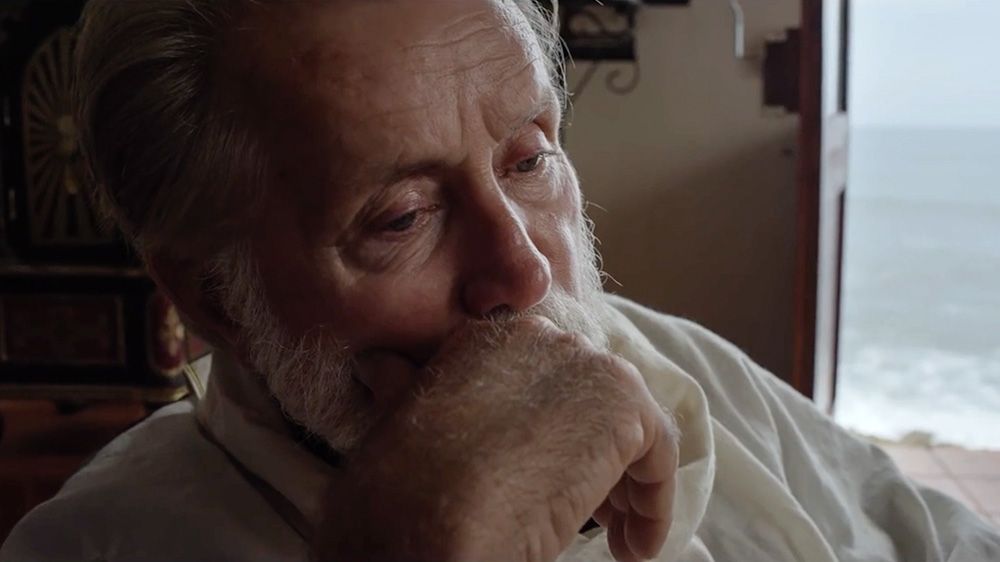
For anyone who has studied religious history knows how murky those ancient waters are, and for every historical document affirming one religion, there are three more affirming the other religions. So at twenty years old, I was faced with a serious dilemma: If my most fundamental questions are unanswerable, what is my purpose and how can I find meaning in my life? This question became the central theme as I wrote The Vessel. I created a fictional community that is faced with a powerful and mysterious event, and is forced to struggle with its meaning. Is this a sign from God, or just a meaningless string of unrelated events?"
DI Supervisor, Ted Griffis: "Brandon, our lead colorist has been friends with the director for many years and so Julio decided early on that he wanted to keep the DI in Austin while working with Brandon. We were involved well before production started and that enabled us to talk through a handful of technical concerns prior to production, and whenever we have a chance to do that, it always makes for a much smoother finish."
"The film is actually two films. To better serve international distribution, the filmmakers shot an English and a Spanish version of the film. Meaning all dialogue scenes were shot in both English and Spanish. Though much of the color and VFX work carried over across both versions, this did mean that any dialogue scenes would need to be graded twice. These scenes were filmed consecutively and the lighting was all very consistent but with various 4k, 2k, and 1080 deliveries, it did make for quite a few more deliverables at the end of the day."
"The other challenging part was for our visual effects department. The film is set on an island, disconnected from technology of the modern world. Even modern day locations on the most secluded of locations, still have signs of the modern age; satellite dishes, thermostats, political graffiti and doors that just look too modern for the story. To keep the viewer in the moment, many of these had to be removed."
"Another challenge we encountered was with the construction of the finished boat. The boat had large holes in the hull that were clearly visible during a pivotal scene. We ended up filling each hole using a combination of Nuke and After Effects for the composites. The film was shot handheld on RED at 5k and with a 4k deliverable that meant that all of the 50+ VFX shots would needed to be completed at 4k and at times 5k to maintain the best quality throughout the pipeline."
Colorist, Brandon Thomas: "We actually started on the project in 2014. At that time, it was one of the largest 4K projects we’d worked on. We did a lot of intricate grain work throughout the film. We targeted different ranges of the image with varying amounts and kinds of grain. We spent a lot of time working to get the highlights to roll off as pleasantly as possible. There are also several scenes lit exclusively by candlelight or lanterns, which made for some very delicate work. Applying those adjustments throughout both film versions and ensuring that all of the work stayed in the right place over several re-conforms was a bit of a task."
Julio: "I first met Terrence Malick as a young intern on The Tree of Life, and his influence on me was immeasurable. Aside from the obvious aesthetic impact his work had on mine, it is no exaggeration to say that Terry single-handedly transformed what I believed was possible with filmmaking."
DOP, Santiago ”Chago” Benet Marí: "I as well, am very influenced by Malick, who I believe is one of the strongest visual filmmakers of our time. For us, he was always a reference, not only his recent work with Lubezki, but Days of Heaven as well. We shared pictures and paintings from the web focusing on natural light and the use of wide lenses. In that sense we prepared ourselves to capture the beauty and the tones of the nature that surrounded us. The choice of filming 97% of the movie in La Perla was one of the strongest visual choices, because it’s a very unique place full of textures and rustic colors. In the days we spent scouting in La Perla, we found some very special locations."
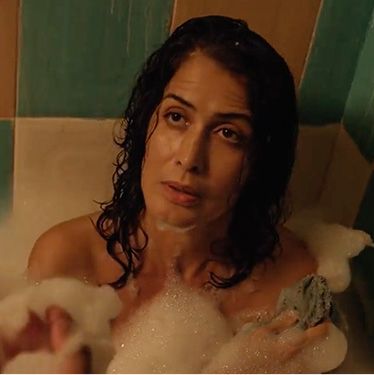
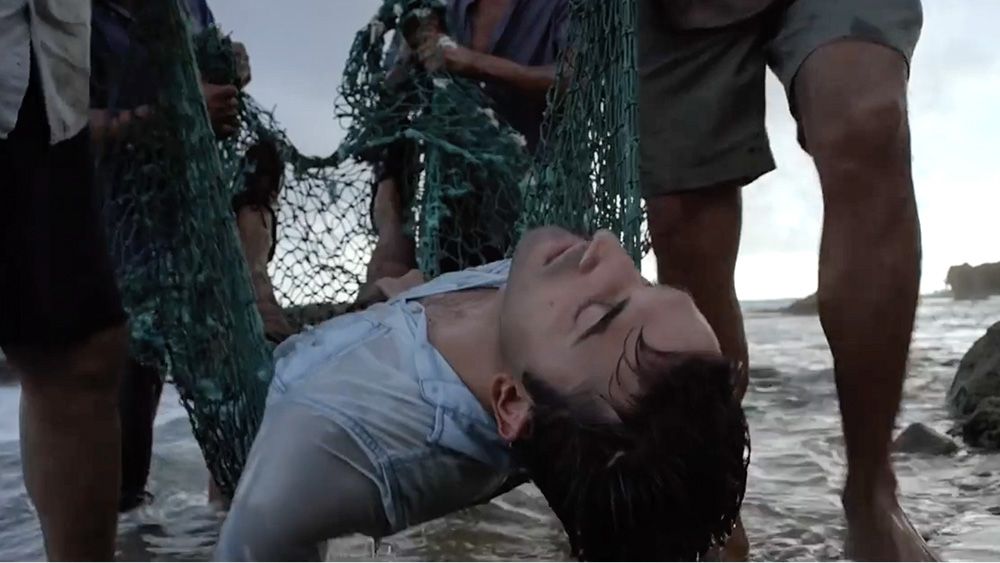
Brandon: "We wanted the film to feel timeless. The cinematography, locations, and production design went a long way towards achieving that, so we didn’t want the post work that we were doing to take away from that feeling."
Chago: "Brandon has a very technical personality combined with the sensibility that was needed to achieve the naturality we wanted for the film. I think that was our mantra from pre-production all the way to post; we were looking for a naturality of the image in a magic realism kind of way."
"In terms of lighting, I am a believer in both natural and source motivated light. All exteriors were shot using available light. With the schedule being tight and nature being a factor, we planned accordingly for the sun so that we could favor natural light in as much of the film as possible."
"During the DI we tweaked the image for better fluidity between shots. In night scenes we left the white balance at 5,500k and played all the incandescent warm, I think that creates a sense of reality and nostalgia. We lit various scenes with just candles which turned out beautifully after some of Brandon's subtle noise reduction magic."
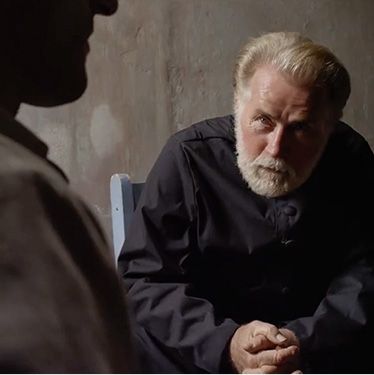
Brandon: "I felt like I was getting beat up in the grading suite every day. Julio and Chago both have such great eyes for detail, that they really pushed me to get the film to a place we’re all very proud of. I love the film, and think it’s some of the best work I’ve done to date."
Julio: "There was never any doubt in my mind that TBD Post was the right team for this project. Chago and I are absolutely obsessed with achieving the highest imagery quality possible, and every time I spoke with Brandon it was clear that he was too. For example, even though we had limited budget and we were making two versions of the film, I pushed to color and finish the film in 4K, including all our VFX shots. Brandon and Ted said no problem, we'll figure it out. A year later when Chago and I got to the DI suite, I asked Brandon, "So we're working with 4K DPX files?” "Actually no," he said. "I went ahead and made 5K DPX files to give us more flexibility for repositioning or stabilization. Every step along the way was like that. Every time we had to choose between an easy traditional method, or a better but more challenging method, Brandon and Ted rolled up their sleeves and always chose the better method. Always."
Ted: "The film was edited by A.J. Edwards and Don Swaynos. Final audio mix was done by Chris Keyland at Keyland Sound in Austin. Our friends at Mighty Coconut handled a handful of 3D and fire VFX shots. Brandon Thomas was our colorist and our lead VFX/Flame artist was Dennis Valk who handled 50+ VFX shots, online, and deliverables for the film."
"This was one of those films that comes around where you want to drop everything else and help a talented group of filmmakers make their vision come to life. The cinematography is amazing and it was awe inspiring to see what came out of the color suite. It’s a treat to have had a small hand in helping a film like this come to life." To learn more about the film visit www.thevesselmovie.com.