The Fall
“What I normally do with my script developments is write ideas down when they pop into my mind, or when I see a particular location. So I had this script tucked away ready to go. I had just purchased the Canon 5D Mark III and I was really excited about putting it through a real life test. Rather than just shooting anything, I like to test my camera’s in a real situation, so that is how ‘The Fall’ came to be.”
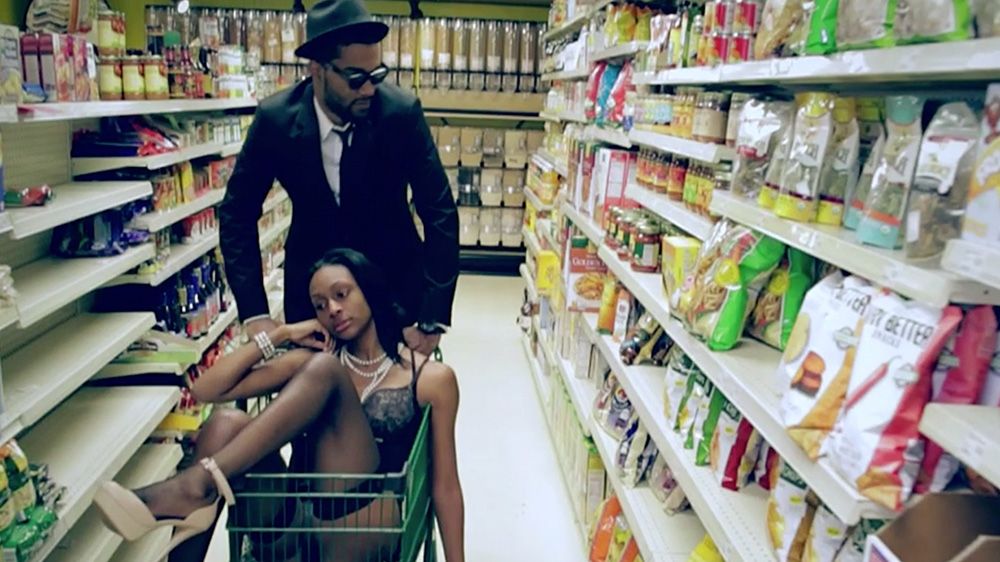
“The original script was all about ‘Black on Black’ oppression where we exploit people for sex and objectify women. My piece has this guy walking into this grocery mart who just puts this half naked women in his grocery cart. He just picks her up like she is a box of cereal. He then takes her to this open field, just like an animal, and then just discarded her when he wants to.”
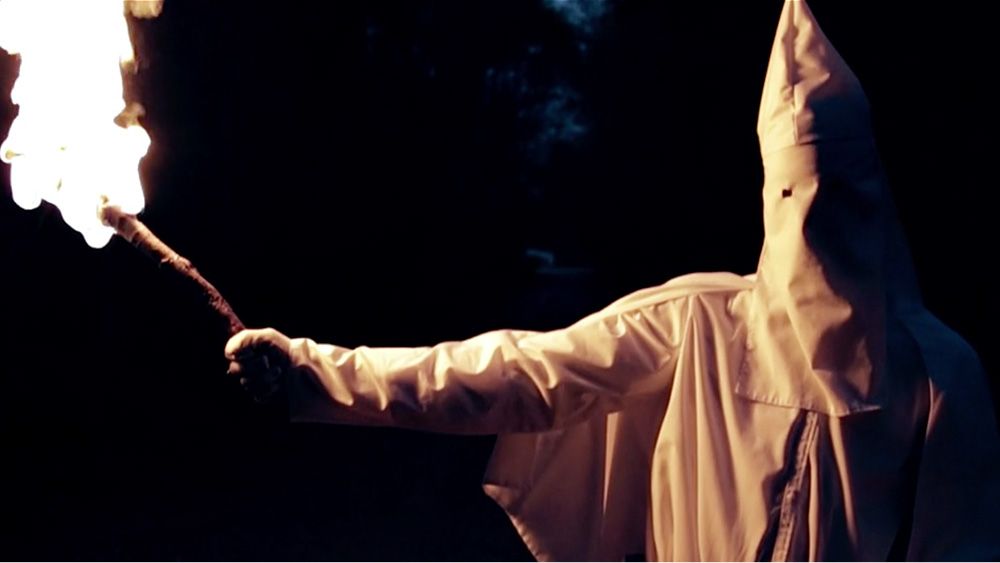
“So that’s really where the idea started. It was never to be about race oppression, it was more about exploiting yourselves and exploiting others. I then started to think of the best symbols for oppression and finally settled on the image of the cloak of the Ku Klux Klan. So ‘The Fall’ started off being this fun project where we could really test the Canon 5D.”
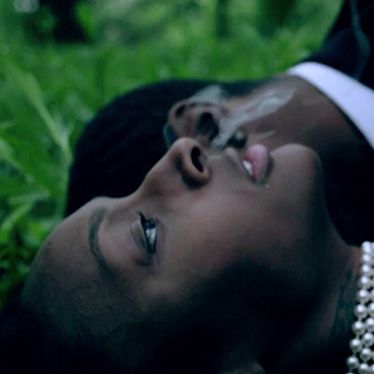
“When I was looking for locations, we had this fantastic organic grocery who were really happy for us to shoot there. I also knew of this out of the way church down a back road. It was a pretty old church here in Indianapolis and the back road kind of felt like a Sleepy Hollow. We shot the forest scene there with the murder of the girl, and then, the KKK scene with the flaming torch in front of the church.”
“Now that I look back, the church location was so creepy that it influence my choice of symbol of oppression - the KKK cloak. Using the flame and the cloak took a lot of convincing. My crew and actors were repulsed at the thought of using any symbols to do with the KKK, but it seemed to me to be the most powerful symbol of abuse in society.”
“My idea for the cloak was that the male actor would reveal himself in the final scene wearing the cloak and then the idea of black on black abuse would be obvious to everyone. However, the events of that night were so perverse that this original concept never survived the production. The original idea was ultimately suffocated by the KKK themselves.”
“After we shot the scene in the forest, we setup on the back road with the old church in the background. It was getting pretty late and the sun was going down, so it was a perfect camera test. It was an amazing location with this small path and trees that had grown over and touched each other from either side. The location had a real unnatural feel about it that was perfect for this shoot.”
“So while I was in the middle of shooting, this pick-up truck covered in a confederate flag came flying down the back road with their headlights on us. These local guys then started to harass my crew, while I kept rolling the camera.”
“This was a oneway road, and to get out of this location we had to go through these guys. They warned us and then suddenly left. After that we had a bad feeling that there was more to come. So the crew started to pack up quickly and make it to our Jeep, while I was getting ready to shoot the final scene where the actor reveals himself from beneath the KKK cloak. Before we could even start shooting, three pick-ups now came racing towards us, looking to trap us down this dead end road.”
“It happened so quickly that we dropped everything except my camera and ran for the Jeep. We literally left all our wardrobe and props right there on the path and ran for our lives. By the time we made it to my Jeep these pick-ups full of thirty year olds were trying to block the only way out. So we just drove at them at full speed and hoped for the best. Well, they failed to cut us off and we sped past them towards the main town centre thinking we had escaped them.”
“When I looked back in the mirror, I could see the dust clearing with the pick-ups now chasing us into town. They followed us right up through the center of town - can you believe that. They were not frightened of pursuing us even in public like that!”
“When we got home, I edited the whole thing that same night and posted it online. All I did was add some softness in post to finish it off. It was one hellish camera test! Shooting ‘The Fall’ certainly tested our rights to be creative with filmmaking.”
“The idea started off being a story about men oppressing women. Because we were never able to finish shooting the final scene, it never finished on male supremacy, but instead ended on the symbolism of ‘old’ white supremacy. Never in a million years did I think that by using the symbols of the KKK, that we would actually have to deal with them personally like that.”