Mestizo - Rap to Kill
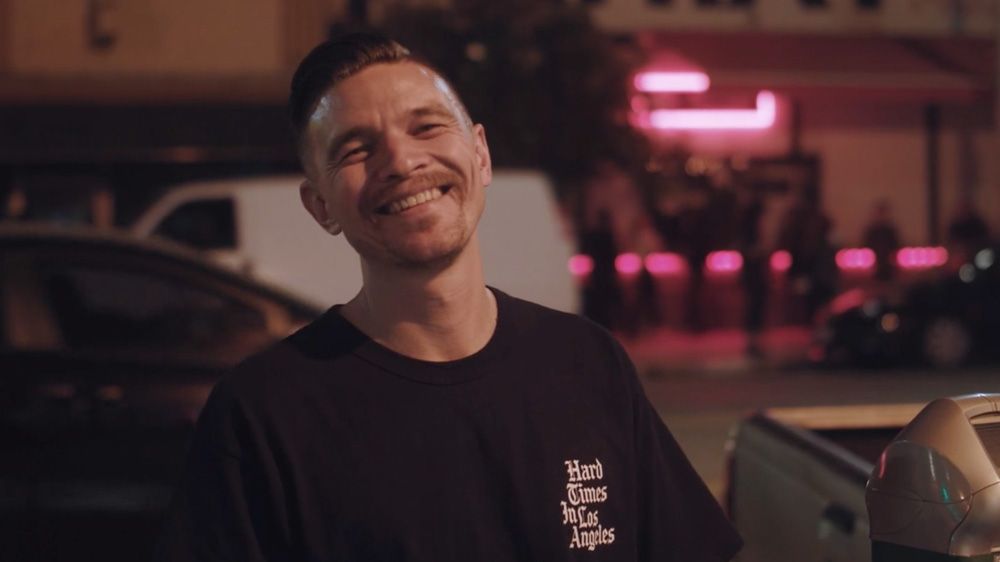
“We had only one day to work, and Mestizo was busy prepping the show and visiting friends around LA. I decided to conduct the interview while he was driving, which is something you do a lot when you are in Los Angeles anyway. Alan Savary, the sound engineer, made did great work with the voice recording process.”
“I’m always looking for new ways to present a character, I watch a lot of video everyday, always trying to find what I like. So, I can’t really name one inspiration for this work.”
“I think this film really took sense while we were in the editing process, which is one of the reasons why I try to do this job by myself. I began with a standard ‘classical’ timeline. He sat in a car, talk to us, prep for the show and then play. It was not a dynamic way to tell this story, and my friend Jerome de Gerlache gave me few tips to imagine some others ways to present Mestizo’s story. So I started with some excerpts of the show to make it more intense, but we were seeing him a bit too much for my liking. I finally decided to only show pictures of him, that would keep it part of the mystery, trying to get in touch with the viewers curiosity. Using Resolve for the editing process meant that I had the ability to quickly adjust the color and achieve an almost-finished look to help me choose the right clip when needed. Some footage seemed to be underexposed or too shaky, but after few tweaks all was fine.”
“I think this film really took sense while we were in the editing process, which is one of the reasons why I try to do this job by myself.”
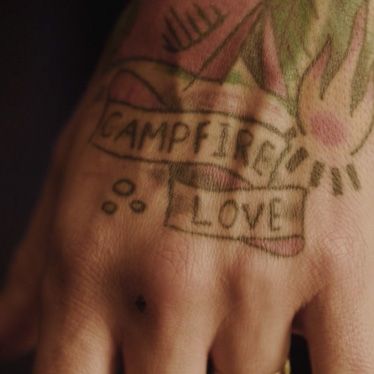

“Usually when I’m doing this kind of documentary or portrait, I try to have a long conversation that I record only on sound. I do this because the camera makes the people too concerned about their ‘look’, when it is really not the point. Me checking the focus or the frame is enough to remind my subject that he or she is filmed. Also, I try not to have a written list of questions during the interview, I let my mind ask the questions that I’m interested in based on what the person says. At the end I get back to my written questions to make sure that I didn’t forget anything or that I have other interesting things that makes my prepared questions irrelevant.”
“I knew time will be an issue so I decided to make the interview in the car. I just asked a few things like, ‘Where are you now with your music?’ or ‘Were you always interest in writing?’. But it was mostly a regular conversation between 2 people trying to catch up. He asked me a lot of questions too and it was very enjoyable. When it felt like the moment was gone, I asked him more basics questions but none of it was kept for the final editing. It felt really flat compared to the rest of our conversation. Maybe the fact that he had to focus on the road was a good way to get him to forget about the camera.”
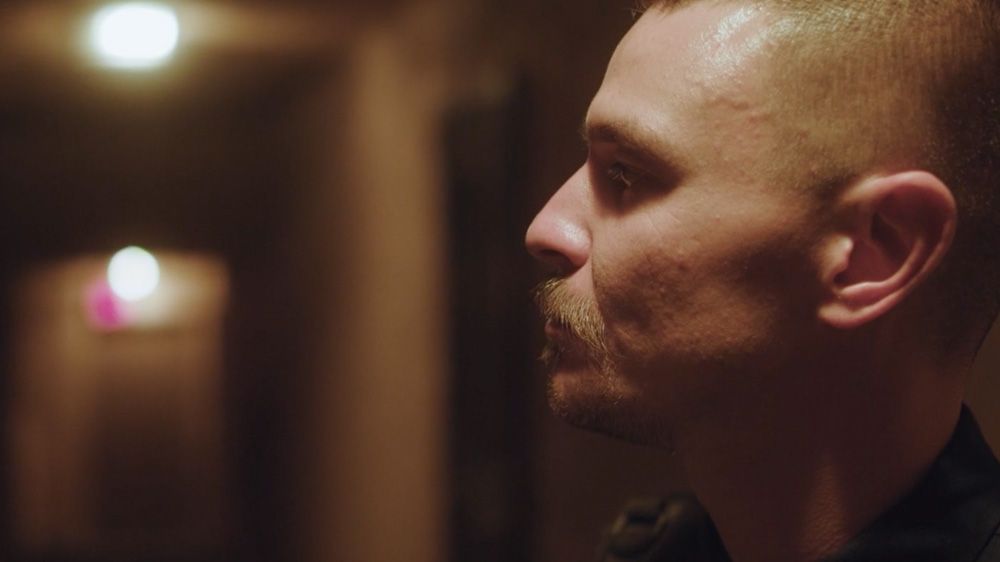
“We used an Ursa mini 4.6K with a Sigma Art lens, ND filter, Tiffen Black Satin filter and the normal sound equipment. I did the post on this project. It makes more sense to me to be the one editing and giving the look on personal work like this one.”
“It is such an incredible experience. I was able to sneak a peek at the underground hip hop scene and everyone on this project was really generous with me. I’m looking forward to do it again.”