Of Two Minds
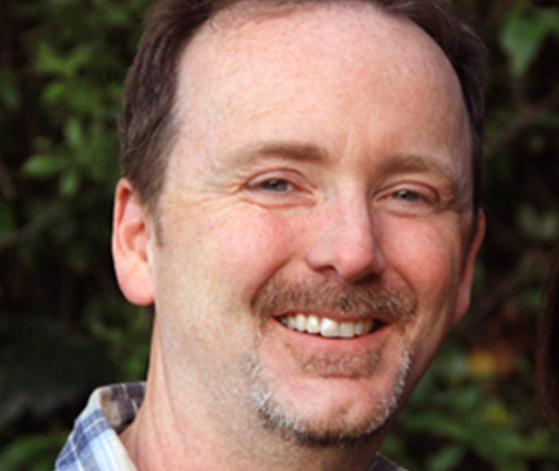
"I’ve been very lucky to work on documentaries that run the gamut from quirky character studies to intensive journalistic investigations of the injustices of our times. When my wife, Lisa proposed doing an in-depth look at bipolar disorder, we both knew it would be an enormous subject that could easily be ten different movies." Doug Blush
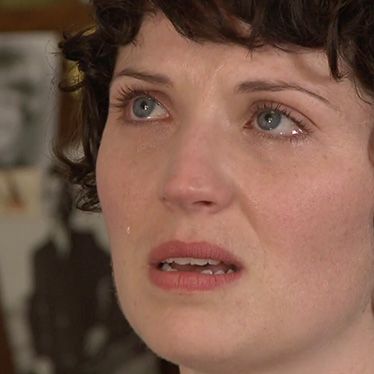
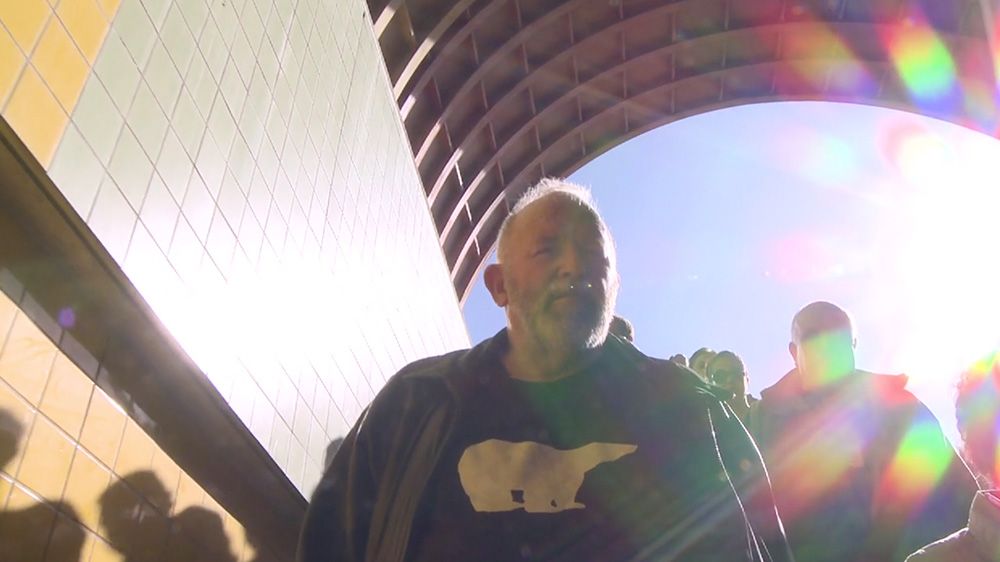
Of Two Minds, not only puts the 'many' human faces to this disorder, but it successfully draws you in using intimate verité combined with the most revealing interviews imaginable. "Sometimes we ask hard questions and we don't give easy answers.. and that makes challenging viewing! You always find when you come into a documentary, you're going to have things that you just assume is going to be the case! Sometimes that's borne out.. but a lot of times, your assumptions are completely contradicted. And, that's why I love doing documentaries. Because it's a real growing up process. Sometimes you discover that your long held beliefs… your cherished beliefs… your righteous beliefs, are literally wrong. I think this process is all about becoming a true adult. And that's what this film is for me… a growing up process."
"As I got to know our subjects and became close with their families and friends, I discovered once again, the greatest element of documentary filmmaking...tossing out my preconceived notions and old ideas by actually seeing the real thing!"
"The beauty of the editorial process was that the characters finally spoke to us the loudest out of all our material. Simplicity and emotional truth are so often the key to an effective documentary. It’s ultimately about story telling. We were able to hone the film into a real narrative experience during post, and guided by a number of test screenings. I have to say, that's is an absolute must process in developing a documentary. The key was to find a focus for the film, and we were fortunate that this focus became the stories of real people dealing with all the facets of bipolar in their everyday lives; their jobs, their families, their loves and losses."
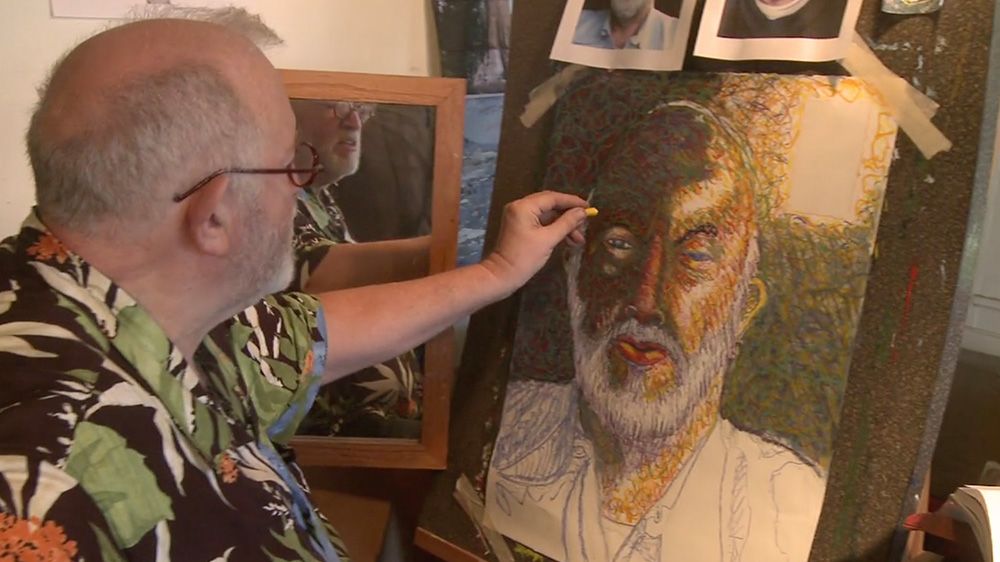
"We also found during the historical research that there are so many people, such as artists and great thinkers and philosophers, who all, clearly have some symptoms of bipolar. There's just a huge number of people we found with these 'superhuman' type events during the mania phase. People like Ernest Hemingway, Abraham Lincoln, Vincent Van Gough, Pablo Picaso…all immediately come to mind. It can be an incredible booster for human achievement. It's pretty clear to me, that bipolar does seem to correspond with artistic and creative impulses."
"It's kinda of interesting to look at the moment of inspiration. Where does that break through moment come from? Maybe society owes a lot to to people with bipolar! For example, inventors like Edison with the Kinetoscope; the first movie projector! We didn't look at this direction in film as it wasn't intended to get too philosophical about these big issues We just wanted follow people living with it. However, I am convinced that you get these amazing surges forward in human achievement during these individual moments of mania. There is a couple of people in the film that say they celebrate their bipolar, because, 'I am not like the rest of you! Because I can experience things you will never know.' They all seem to say the same thing though. 'You can't imagine what I have seen and felt while I was up there!' I guess that can be both dangerous and thrilling, if they can deal with it. It's a really interesting issue. We could make a whole other documentary about this part of bipolar alone!"
"We knew that tackling such a large subject would take lots of time and involve many viewpoints in many locations. Luckily, lightweight HD production equipment was coming into its first golden age just as we were starting. We bought a new Sony EX series camera for its tapeless HD workflow and gathered together a lean but effective gear and audio setup for doing both interview work and verité shooting. We also added a Canon 7D to do special b-roll and timelapse work, to give the film additional visual style. Traveling light and using the 7D for b-roll allowed us to be very flexible and efficient, especially for verité shoots and also getting moments that we would have missed with the larger crew."
“I also gave our subjects small HDV cameras with the simple instruction to record whatever they wanted of their lives, whenever they felt they had things to share. Though we only use a small amount of it in the final film, we found the intense intimacy of this footage very revealing, and I think it helped break down the walls between subject and audience!”
“I think that is the biggest thing about this movie. That people have been forced into a closet and live behind a wall because of this disorder. I think we have discovered another modern-day social closet here! Now that so many films have opened up the way about gay issues, it seems to me that mental health is the next big social closet that people are forced to deal with."