Nora
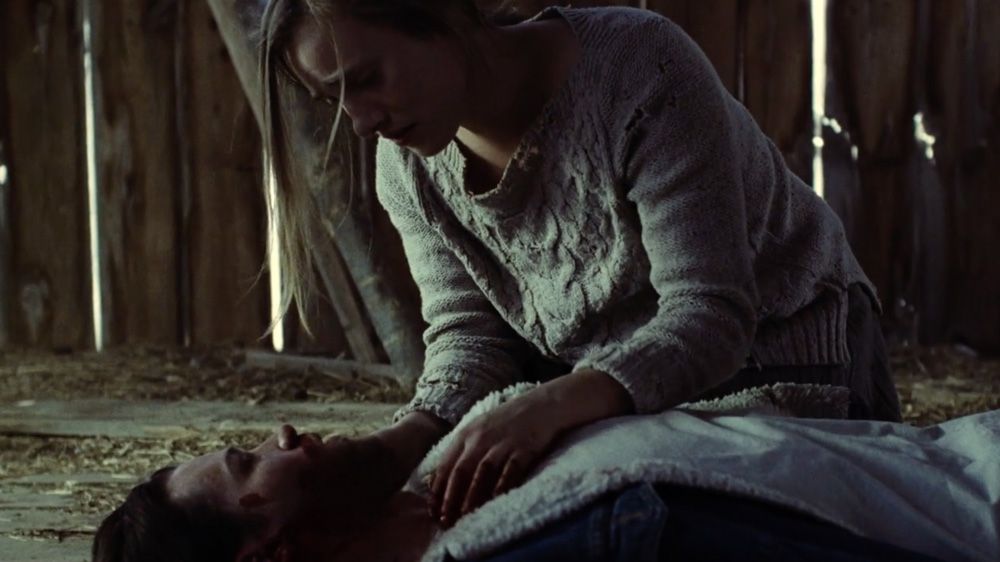
“My last short film 'Clayfist’ was very much about fatherhood and the stresses of masculinity in economic downfall. I wanted this to be a feminine perspective of that same concept. Nora is the story of a farming couple who are just starting out in life. I wanted to revisit what it must have been like for my parents fresh out of high school. It is such a brutally physical livelihood, and I wanted the film to reflect that and even romanticize the risks that come with it. There were times in my upbringing that my dad was laid up, and we didn’t know if he’d be ready when harvest came. What would happen, if he couldn’t work? We wouldn’t be able to eat. This is so true for so many Americans. My Mom is a very graceful human being, but she has had to be a driving force at times to keep things moving forward. Nora represents that strength.”
“A couple years ago my Dad had a heart attack while working. With no warning, his heart gave out. He drove himself to the hospital. When I heard the news, I remember my Mom’s voice on the phone. She was terrified but strong. The farm didn’t matter for once, our jobs didn’t matter, it was about human connection. I wanted to immortalize that moment symbolically. The choice to move forward. My Dad lived through the heart attack, after being revived, and he planted the crops not but 5 months later. My parents were straight gladiators to make sure things kept moving forward. I needed to pay them tribute. It was time to do so. I was also set to be married to my high school sweetheart, and I wanted to explore concepts of early marriage. Nora was a perfect opportunity to blend both.”
“Nora came from a really personal place. First of all it takes place where I grew up."
“I was wanting to shoot something on 35mm, and I knew I didn’t want it to just be footage and music, like a camera test. So I just started searching for a story that deserved to be told on that glorious medium. I landed on a narrative that paid tribute to my upbringing. It was the only thing that I knew I’d be confident enough to put all my money in. I wrote it in about two hours and never questioned what I wrote down. I wanted it to be as raw as possible without too much overthinking. We shot what I wrote. There are flaws, but I think there is merit in just diving in head first and trusting yourself that much.”
“We only had 9 cans of 35mm film to work with and only had 3 days to shoot 8 pages. I wanted to keep the crew super small and mobile and we were shooting in 90% natural light. That left us on a pretty tight schedule and not a lot of leeway as far as takes are concerned. We basically only had 3 takes per scene to get everything in the can, and we had to make some split second decisions to make sure certain things were worth getting.”
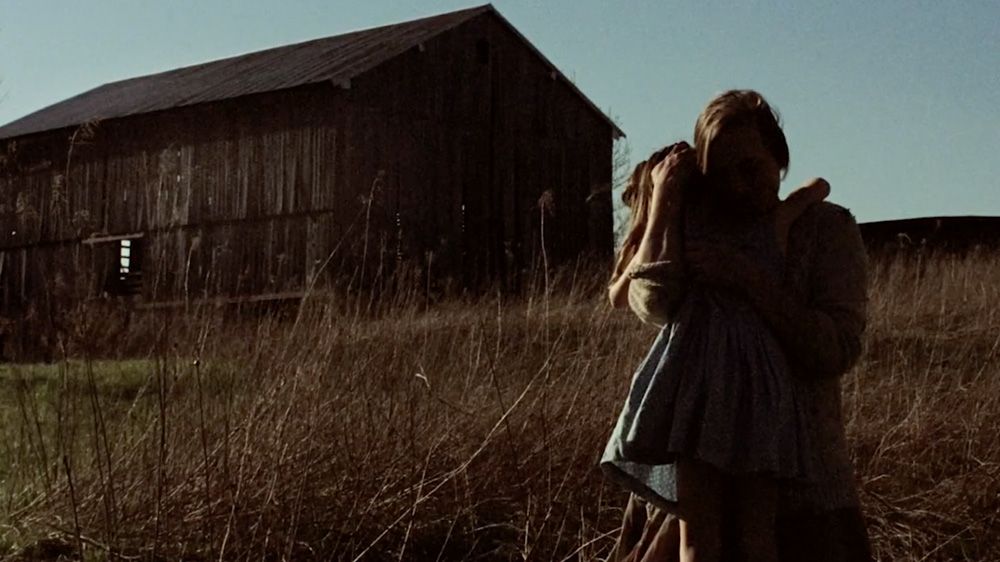
“I had scouted the locations for weeks making sure I knew what the sun positions were for each scene. So much of my work though relies on the actors being able to improvise, so I wanted to respect their process and leave room for them to perform. It was a thin line to walk as far as scheduling goes, but the intimacy of knowing we only had three takes was kind of a really fresh experience. Everyone came with their A game right away and it was evident on set.”
“There are so many references to this project. First reference were the locations themselves, I wrote the script with them in mind. Moments emerge when you walk the site and explore the possibilities. Andrew Wyeth paintings definitely played a part in the art direction of the film. I wanted to set the film in the future, but one that embraced economic downfall. Wyeth’s work was a perfect playground for the narrative and I’m always inspired by how much you can glean from a single image.”
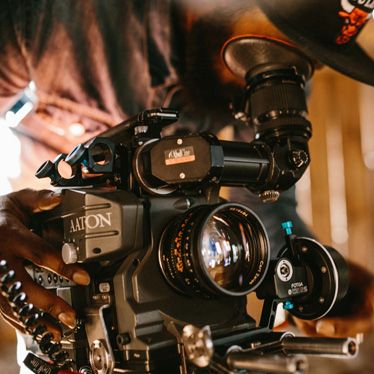
“As I mentioned we kept the crew really small and mobile. Since we only had roughly three takes per scene, and the pressure was going to be high with shooting in natural light, I wanted the actors to feel as though they were the number one focus, because they should be. It’s so easy to pay more attention to the gear and the camera than to the actual performers so to make sure that that didn’t happen I put full trust in Kassim Norris, the DP on the project, and we had zero monitors on set, just the eyepiece. That way I’d be fully immersed in the actor’s performances and Kassim would feel that he was the number one authority on the image. I have to say, that limitation pushed the onset trust to a height I hadn’t experienced before and made for such a pleasurable experience. It took discipline, but most of all it was run off gut feeling. It showed when we got the footage back. It felt like Christmas.”
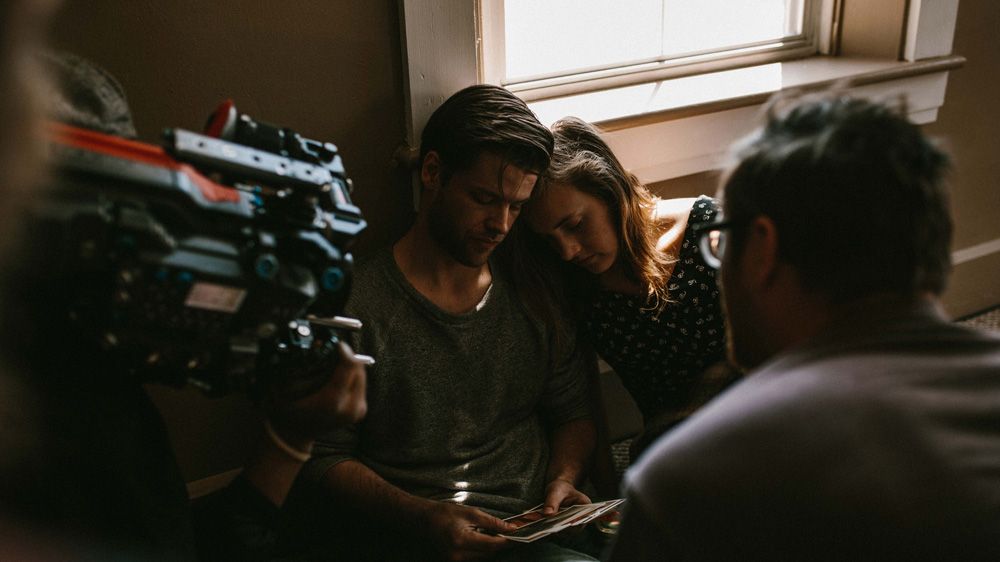
“We shot the film on vintage Kodak Vision 2. To save film we shot it on 2 perf, which uses 2 perforations on the side of the film strip giving you more of a cinemascope aspect ratio as opposed to the standard 16:9. We also underexposed the old film to make sure that it had a true analog quality that would not resemble a digital image at all. There are so many films that look the same on the Internet right now and we wanted to stand out. Shooting 2 perf also really exposed the grain structure which helped with this. We were extremely pleased with the results, and it was a pleasure to color grade and edit.”
“Metropolitan Post did all of the chemical processing and scanning of the Kodak Motion Picture Film, and Kassim Norris and I did all of the color grading in house at 5AM Films. I composed most of the music for the film before the shoot so we could have a tight vision of the desired tone. Any missing pieces of music as the film came together I wrote as I edited the film. I wore quite a few hats on this project. I was the writer, director, co producer, co financier, composer, colorist, editor, and I also did the post sound and marketing.”
“I enjoyed the project so much that I went on to write the feature length version of it in the 10 months that followed and I’m now pitching it all over to get the film made. So if you know anyone who is interested in helping make a feature film happen, let me know!”