Moon Garden
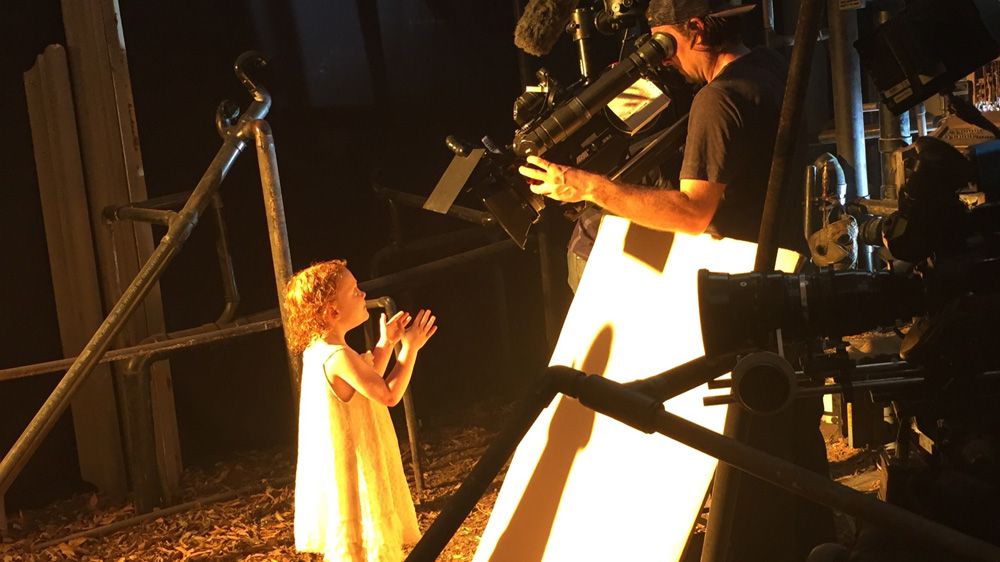
“I trained on the scanner, and after that, we had all the resources we needed for our own 35mm workflow. I produced a short experimental fantasy film that Ryan wrote and directed, starring his daughter Haven Lee, and it turned out so strong that we decided to use it as proof of concept for a feature. A condensed version of that short became part of ‘Moon Garden’, and it helped us attach actors and get the support we needed to create the full feature.”
“We are asked frequently, why film. To be honest, we have both worked on digital productions, and we never felt the digital formats had the same magic. What you see on the monitor, is what you get, which is fine, but without fail, every time we’ve shot on film, we get the footage back and it looks exceptionally better than it did in reality. Film has a way of binding everything together, glossing over imperfections, and elevating the imagery. And personally, I love the grittiness of old school Art House and Grind House films of the 70’s and 80’s. That aesthetic lives in my blood.”
“Film was always our target, and we were striving for that gritty, edgy feel you get not only on film, but when you push the emulsion by letting it expire and age. We knew that on an indie film the challenge would always be money, so the solution to scan the film for editorial was a critical component. While we wanted the vintage quality of film, we also wanted to use modern tools to finish, including editorial and grading.”
“Our partner Ken Locsmandi’s epic Sci-Fi feature “Beyond White Space”, was also shot on 35mm, and got a limited theatrical release through Vertical. With the amount of footage we shot on that film, Ken knew it was a lower-cost investment to purchase the scanner than to have a post production house do the work for us. And once Filmworks FX was setup for scanning, it gave us leeway and flexibility to work on our Indie films as needed. Working with the scanner has been the opportunity of a lifetime.”
“We are definitely a hands on filmmakers, and while John wore the producer hat on ‘Moon Garden’, he certainly wasn’t afraid to get involved in other aspects. He actually spent time learning the Cintel, and scanned the majority of the movie. It was very easy to operate — like a giant reel to reel tape deck. If you’re not old enough to get that reference, all you do is pop on a 1000’ lab roll, thread the leader through the rollers, across the gate and onto the take-up spool. We plugged ours into a Mac using Thunderbolt, and the scanner immediately appears as an option under the capture tab in Resolve. Then you can pilot it from Resolve.”
“The controls are simple and intuitive, and the footage goes straight into DaVinci, which we’ve been using to color grade and deliver our features for over a decade. We would use the physical buttons (rewind, play, fast forward, advance single frame, etc) on the scanner to find the first frame of picture and hole-punch it ourselves (saving prep fees at the lab), then switch to Resolve to capture. Since numerous camera rolls are tied together on one lab roll, and they were pretty wildly different from each other with color shifts, we’d capture each roll separately, so we could reset the baseline with “find the black” roll by roll, occasionally adjusting the brightness sliders or color wheels manually. It was honestly amazing, especially compared to getting a one-light unsupervised transfer, where a tech sets the color to the first roll that comes up, and then the rest are just left to chance.”
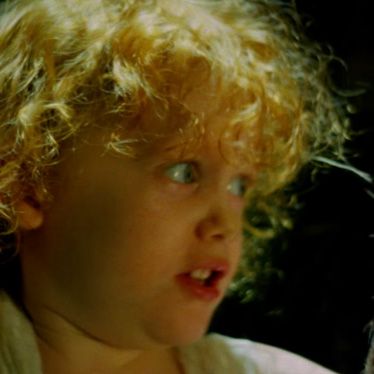
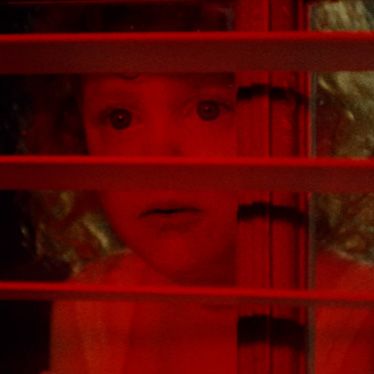
“One of the biggest advantages of the Cintel, for our case in specific, is the ease of switching between perf formats. Depending on the rig, we shot 4 perf, 3 perf and 2 perf. With a traditional telecine, if you wanted to switch between these, you had to physically change the gate in the scanner. With the Cintel, it’s the click of a button. Because of this type of old work flow, a lab would usually separate each reel according to the perf format, which can triple costs when you shoot mixed footage. We saved thousands by being able to put mixed formats on the same rolls.”
“Part of the aesthetic of ‘Moon Garden’ was shooting on expired film, which organically has color shifts over time. While we leaned into the look of heavy film grain, the footage still needed to cut together. Sometimes one roll would skew magenta, another green, etc, but the scanner has that incredible ‘find the black’ tool, where it analyzes the space between frames, and balances to it. That was a lifesaver, yanking the footage almost back to normal, while maintaining the vintage look.”
“Ryan was not only the writer/director, but also colored the film. Having access to his own DaVinci Resolve system allowed him to put tremendous amounts of care into bringing the best version of ‘Moon Garden’ to the big screen. Ryan did an extensive base grade, yanking all the various film stocks back into their correct ranges, rebalancing some of the more extreme and damaged film stocks. From there he was able to use windows and trackers to isolate particular swathes of color - the deep reds or midnight blues - to make sure the colors truly popped. After his grade, he handed the Resolve project off to Elliot Smith, a Los Angeles-based colorist we’ve worked with before. Elliot then did a pass, accentuating choices and honing in on the overall look and giving a general contrast boost to the entire project.We were truly surprised by how easily we were able to migrate the project from Ryan’s system to Elliot’s - another virtue of Resolve overall. After reviewing our DCP at multiple festivals and venues, Ryan then did a final pass to push the color even further to really accentuate the hyperreal aesthetic we were hoping for.”
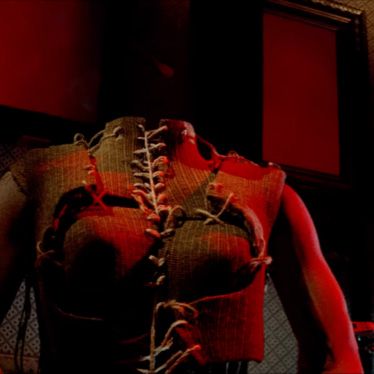
“One of our favorite Resolve tools that Ryan only began using on ‘Moon Garden’ is the curves tool - specifically bending the hues. He would bend back magenta into red or down into midnight blue in a natural organic way, essentially ‘piping’ the color so that only specific colors were allowed. After the shift he would then yank the entire spectrum in an earlier node up toward the bent color shift, which would result in a deep richness in the image, bringing out the rust and deep reds of the set. We really fell in love with this dense colorful look that Resolve was able to bring out of our expired film stock.”
“With the more damaged stocks sometimes there would be such heavy grain that the footage could sometimes turn into this murky soup. Resolve has literally the best noise reduction out there so Ryan was able to bring back even that footage; material out of the scanner that seemed otherwise unusable. Beyond the color tools, we used all sorts of tricks to finish the picture. Fusion effects were used to clean up gate frames that would creep in. We then did a careful dust busting pass to clean up unwanted film dirt or effects - particularly heinous scratches - though many of these issues we opted to leave in as it leant itself to the overall look of the film. And time and time again, Resolve proved itself to be robust and reliable. A true workhorse of post software and such a joy to work with.”
“We enjoyed watching the film evolve over the course of our festival run, through the QC of our final master. Ryan put in all the hard work; fine tuning the look as well as the technical research about things like gamma and color space, that ensured the movie he colored would be the same that people would see in theaters, or on a digital format.”
“What’s truly exceptional about the journey of ‘Moon Garden’ is that our scan on the Cintel became what used to be called a Digital Intermediate, that we then used to print back out to 35mm film for release in theaters, thanks to the amazing team at Oscilloscope. This has been our dream from the start, and the opening weekend of “Moon Garden” in Los Angeles sold out all three 35mm Memorial Day Weekend screenings!”