Mixing Parrot
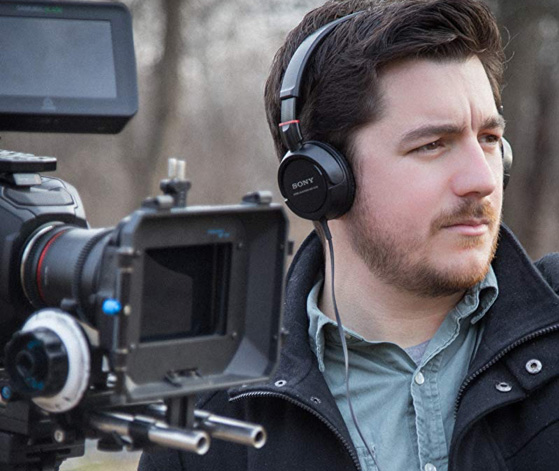
“The director of Parrot, Kyle B Thompson and I go way back. It’s got to be about 10 years I think, that we’ve known each other. So, fast forward after doing a few projects with him, I’m now part of the production team at Red Flight Pictures. Essentially, anything that goes through there, I’m fortunate enough to have fall in my lap,”
“We are such as small team at Red Flight, that I was also on-set as the sound recordist while filming Parrot. I was the guy they had to persuade to hold the boom for hours at a time! I was capturing all the audio and then handing it over for editing.”
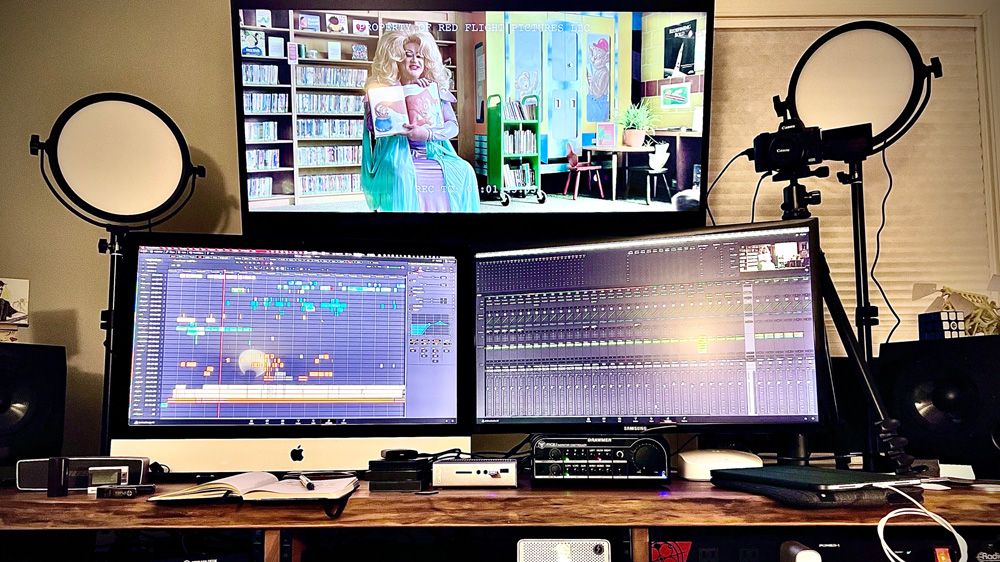
“For post, we work separately in our own editing studios. The video editor, also Kyle, managed the video edit, and then sent a picture lock over to me and then I import everything into my studio and do my thing.”
“First and foremost, I came into film audio absolutely ignorant, so I can’t necessarily speak as to what it’s like on a typical set. I was fortunate enough to be involved in all of the pre-production. I was given the storyboards, the script and and participated in development calls which I think is rare. We were also using an application that would let everyone onset see the shot lists, including thumbnails of the storyboard. So I tended to be looking at what’s the next shot and then coordinating with whoever was supervising the script and the assistant director, to make sure that I knew what was is happening in the next shot. Having that access so early on meant I had a pretty clear picture of what we were capturing.”
“For example, if it’s a two shot, then I’m going to determine if I’m using multiple lapel mics, or just a boom. I’m following the same thing that the visual team is following because I needed to know who to mic and when. The best boom operating is when you’re physically following the dialogue with the mic as it moves and not just throwing the mic on a C-stand.”
“This post-production was different to what we’ve done in the past as this was the first project where Kyle & I were working side by side inside of Resolve. Essentially, I was given all of the clips from the film as proxy files and then I would set things up in Fairlight. In the same way that I would in a traditional audio editing application, I checkerboard the audio so it’s broken up by each character. Once I had the dialogue worked out, I would try and work from the background forward. I would then create ambient sounds and build all of those tracks up below the dialogue. That’s what’s great about Resolve as a post-tool, that Fairlight is just part of it. You can see all of the video edits and clips, which makes it very easy and straight forward to do the sound.”
“Being the composer as well, it’s kind of a two part process. There are these two lanes of traffic that are happening simultaneously. Not only am I composing the music and managing what the music is going to be, but the other side is all about focusing on dialogue and taking these long streams and separating them, character by character. Once I get everything cleaned, organized and named, that’s when the flow of mixing can happen.”
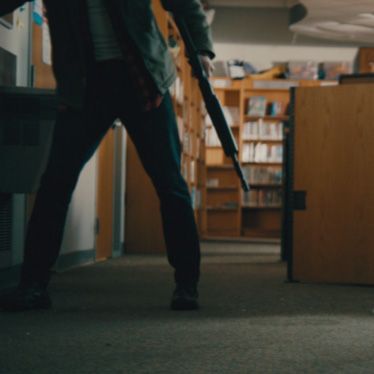
“This was an interesting filming process with some speed bumps along the way. The location was in a really small library in southern Philadelphia, or ‘South Philly’ as locals call it. And for the life of us, we couldn’t figure out how to turn the heating system off! So there was this incessant fan going the entire time we were recording. There was a good bit of cleanup that had to be done with this project. Flying files out of Resolve for processing was so easy and the saved changes immediately applied in the project in Fairlight.”
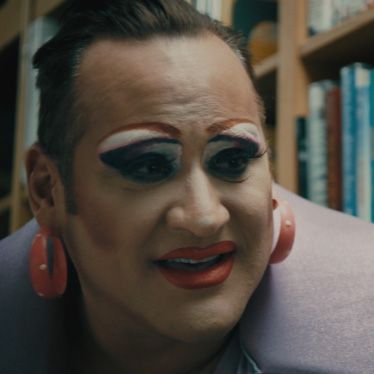
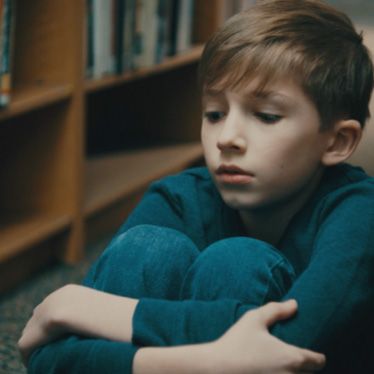
“I also like to capture the onset ‘room tone’ which should be done all of the time in my opinion. It’s amazing the difference that it makes when it’s not present in the sound mix. And so capturing ‘room tone’ is vital to the sound mix. Essentially, I was recording the sound of the library with nothing in it. Room tone is when you are recording silence, which in this case included the sound of the heater fan! This then helped me to work out the noise profile for the space.”
“So after building up all of the layers and finalizing dialogue, we also realized there was a need for some ADR (Automated Dialogue Replacement). We called the main actor, Ian, back to come in and read some lines in the studio.”
“For this film, we had planned on doing it in 5.1 surround, but because time got away from us and we needed to start submitting for specific film festivals we were under a time crunch. Typically for 5.1, you need to create different mixes for stereo mix, dialogue, music and effects. There is all these individual things you have to do for 5.1. One of my favorite features in Fairlight, is the ability to output multiple audio files by simply building a queue and then rendering them all.”
“So we were able set up a queue and render all these out in one go. I could control it all easily by taking each portion of the timeline and making the output 5.1 using a Bus send. Once rendered Fairlight gave me all six of those tracks in the appropriate format for the 5.1 output. I can also queue Resolve to render a different output using the same timeline. For example, if I needed a stereo output, Resolve will simply render that after it completes the 5.1 render. The same applies when I want my music, effects and my dialogue individually. You simply set your parameters and add to queue fr Resolve to render each audio file in succession. I can even make a queue of 8, 9, 10 different types of mixes, and hit ‘render all’ and walk away to have a cup of coffee while it goes down the line. Whereas typically, you would have to do each one of those manually!”
“As I mentioned before, one of the biggest audio hurdles was having the fan noise in the background the whole time we were shooting. To try and eliminate this noise, we had a ‘blimp’ and a ‘dead cat’ (wind screen) on the boom mic and then located the lapel mics so close to the actor’s mouths, they were almost touching their lips! And in the end, I still couldn’t eliminate all of the background noise during the recordings.”
“Outside of the unexpected audio cleanup tasks, it was a really challenging but enjoyable shoot. Because we were shooting in the middle of COVID and the US lockdowns, we had to follow all sorts of rules a safety protocols. Everyone on our team was certified for protocols and we had to confirm test results and check temperatures and all of that stuff. It was a real blast, as you can imagine! And then on the last day of shooting, we got hit with a massive snowstorm that shutdown the production. So it was an experience I won’t forget. ”
“The first part of the editing process for Kyle is to do his edit with some kind of temp music. Although he’s kind enough to never include the temp music in anything that he sends me! So I’m typically not going from the temp music that he has as part of the first edit. When we’re at the point of madding music, the next step is that we sit in a room together and watch the film in a “spotting session” and we go scene by scene and talk about what the emotional takeaway of each. We try not to go too deep into musical vernacular, but we do talk about the feel and occasionally whether it should have a faster or a slower tempo, for example. And sometimes during these sessions, if we’re in my studio, I’ll have a piano ready and play to the picture and just create something on the spot. Sometimes it works and sometimes it doesn’t, but it’s a start.”
“Once I have that, it’s usually scene by scene, with “in” points from the timecode where the music should start and occasionally there are “out” points. That’s where things get really interesting, because you’re trying to have a musical idea that’s supposed to magically start and stop at the appropriate places as well as further convey the emotion of a scene. It’s a fun challenge to work through. Once I get approvals on musical ideas, it’s at that point that I can start making decisions about how big or small the sound is going to be. Whether it’s going to be just a piano or a guitar, or if it’s going to be a full orchestral piece, or whatever it needs.”
“Parrot is certainly one of my favorite films and I’m very fortunate to have worked on this project with all of these talented and passionate folks. It’s not just about all the positive experiences and outcomes, but also the challenges on set and in post made it it a great growth opportunity for me. Even when portions of the sound edit and music are left on the cutting room floor, you have remind yourself to not be too precious with these things. It’s for the greater good of the story. That’s the biggest benefit of being part of this team and having the trust we have in each other.”