Life Force
Donald Ferns, the NHNZ VFX supervisor was very focussed on maximising the quality of the graphics and visual effects for the show. Don and the Sauce FX supervisor Marten Coombe, had worked together on the Hercules and Xena shows for Pacific Renaissance enabling a good working relationship from the outset.
“With shooting on three continents and with different camera crews in each location, getting setups working in advance was really important. Don and I went through the scripts and breakdowns carefully before the teams went into the field. Don then prepared basic animatics and previs for many of the prehistoric creature sequences which turned out to be invaluable when post began. The shooting teams followed the previs pretty closely which meant we didn’t have to guess at what they were thinking when they shot the plates. This really cut down the to’ing and fro’ing of getting the sequences to work between editorial and post because the Director already had a vision of what the creatures were going to be doing, which is rare on a documentary.”
“Because of the lead time on the show there were a lot of pre-production meetings allowing everyone involved the chance to mitigate any foreseeable problems before the shoot. It also allowed us to pick our team very carefully. The key to the work flowing so easily through the post process was the high quality of the staff we put together for the project. We made sure there was plenty of skill overlap but with each member of the team handling a specific speciality.”
“NHNZ had a very clear view of how they wanted the graphics to look with the creatures similar to the previous season and the landscapes to be realistic. Through our discussions with Series producer Lorne Townend and Don, it became clear that they were open to new ideas about how the creatures could look and how to treat the scientific concepts.”
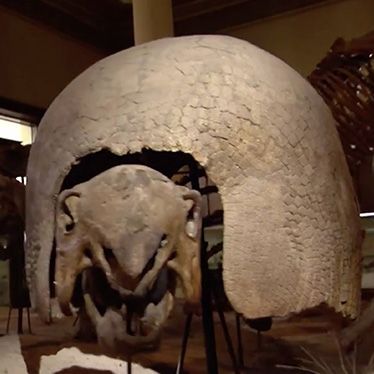
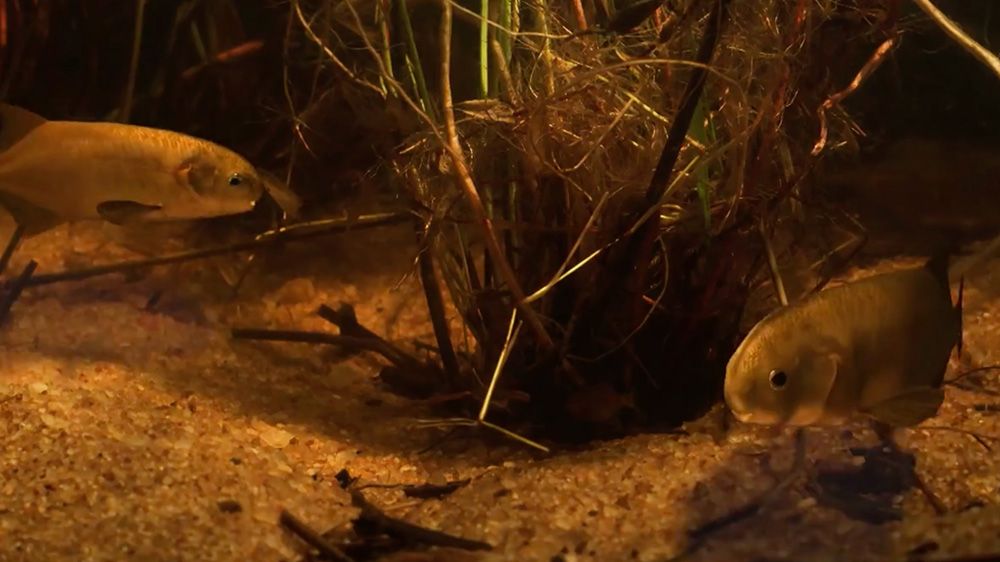
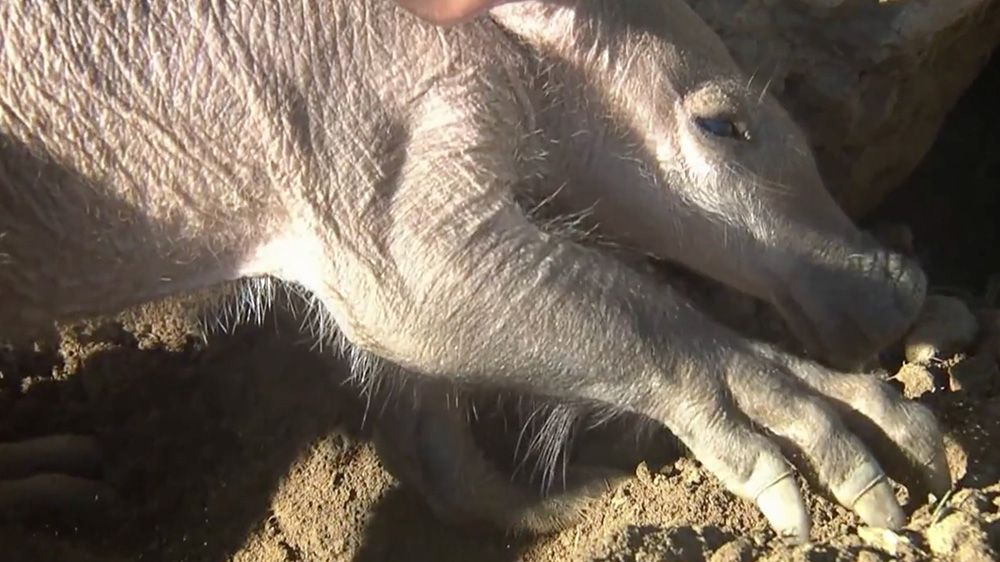
“We thought we could add more life to the creatures. We added in a lot of extra detail with extensive concept work, pre-modelling Z-Brush sculpts, texture work and multi-system fur grooms. Season one’s creatures had a “ghostly” effect applied to them to help the story juxtapose current landscapes and animals with their prehistoric ancestors. Our team did such a good job that we were getting more and more calls from the directors to keep dialling down the ghost effect so they could see more of the creatures. In the last week of production we did a few tests of a couple of our hero creatures without the ghost effect applied at all. We lit and composed the resulting renders into a live action plate so they could see where we could have taken it. The reaction amongst the producers was super positive. We hope that it will inspire the NHNZ team to produce more realistic creature shows in the future.”
“We also had to create a look for effects that were impossible to reference from real life as the actual events involved occurred over many millions of years ago! We had a sequence where the water level of the ocean drops as all the water is locked up in sea ice during the ice age. To realise it as it would have actually occurred would have been pretty boring to watch so we pitched it to Don as a sequence where everything happens in real time. The pitch went down well and we got stuck into shape the effect. The biggest challenges were to get the scale of the effect right with huge volumes of ocean involved it could end up looking as if it were a pond, not trillions of tonnes of seawater. We cracked the fluid effects and teamed that up with some beautiful Vue landscape renders to complete the effect.”
“We used a full set of tools including Max, Maya and Zbrush for 3D along with Nuke and After Effects for compositing and graphics. On the 3D side Maya and Zbrush were the primary tools for modelling texturing and rigging.”
“We looked carefully into what we needed for project management and the three key features that were non-negotiables. To get the most out of a system It had to be simple to integrate into their existing pipeline, it needed to be easy for the artists to use and that it had to produce the feedback reports for the management team. We had been looking at other tools in this area for a while and we settled on Stockholm based Ftrack as our go-to guys. The software has matured a lot in the last year and we found everything we needed in the one package. The interface is simple but there is plenty of detail if you want it, the API is also clean and was ready to go for our Python developers. Apart from that, the team there have been fantastic to deal with and keen to learn about what a smaller company like Sauce FX needed from project management tools.”
“We were very lucky on this job, the client was fantastic, they were organised and very focussed. They knew what they wanted really early in the process which meant we could spend time making things that much better rather than trying to work out what was needed. Through a lot of collaboration and discussion we could hone in on where the extra effort could go to make the shows so extraordinary. They had structured the schedule in such a way that we had plenty of time to get things right which is such a rare pleasure in our industry. Our hats go off to NHNZ for their desire to do the best work possible and being prepared to really think things through. It was a fluid and fun process. Overall I would say we had the feeling that we weren’t an isolated vendor but part of their team was what made the project so great to work on.”