Guardians
“This was an important story to tell because there is so much doom and gloom around conservation, and yet, here in Mozambique, certain individuals are making a real difference. They have genuinely made a success of wildlife protection and management given the civil war history this country has been through.”
“The establishment of some of the wildlife reserves in this country is a story of recovery and resilience. When Zambeze Delta Safaris took over management of a large concession in the 1990s, poaching was rampant and there was virtually no wildlife left. The wildlife stocks were so depleted during the civil war that only the smallest seed stock remained for them to protect. What remained of the wildlife population could so easily have been wiped out forever, if it hadn’t been for the diligent and consistent efforts of the anti-poaching teams of the last thirty years. So this series of films is aimed at sharing this story from the perspective of the anti-poaching team members, who have done incredibly difficult and often thankless work to give wildlife hope in Mozambique. This is a testament to their incredible efforts.”
“I think their biggest challenge has been winning hearts and minds and getting everyone onboard with their mission over the last 30 years. And in a sense, we were really lucky to be dropping in as filmmakers at this point of success. That being said, filming in a country like Mozambique comes with its own unique sets of challenges. Mozambique is where the Cold War was fought-out on the ground between 1977 and 1992, with both sides being funded by the Soviets and the US. And so for any group of people to come back from such a harsh conflict, it takes many generations of slow incremental recovery.”
“We all become accustomed to a Western version of Africa, so when you arrive in a country that is still dealing with post-war poverty, there is a real culture shock. I have been filming across the African Continent for the last decade, and so when I first arrived in Mozambique I had to quickly recalibrate what I thought was normal. This is a rural country with limited employment and very limited food stocks for the people in remote areas. Being able to manage the needs of the people while still preserving the wildlife, is a truly outstanding balance of competing interests.”
“When you live in a world of poverty on a harsh landscape, keeping your family alive through hunting and agriculture has been the traditional solution to starvation. The Mozambique Government along with the private operators and local custodians of the land, seem to have worked out practical ways of aligning these two perspectives. Creating jobs from wildlife protection while still managing the food needs of the local people seems to be working well.”
“By building up the wildlife numbers, local jobs have been created as well as a regulated and sustainable food source for the people. This only works, because of certain individuals taking responsibility upon themselves to make this work. This is where human effort and dedication can preserve the natural history of a country. And in the case of Mozambique, preservation of natural history helps to sustain the people as well!”
“When we started filming, we had to leave all of our assumptions behind and to embrace the reality of what we were to experience. So when we first met the Guardians, we understood that most of the guys came from the local villages. These are the same villages that had been living off the wildlife to survive during the Civil War. So we had to be open to capturing the reality of the situation and how the local people viewed a sustainable ecosystem that could work for them. The challenge for us was to step into their shoes and try to see the world through their eyes.”
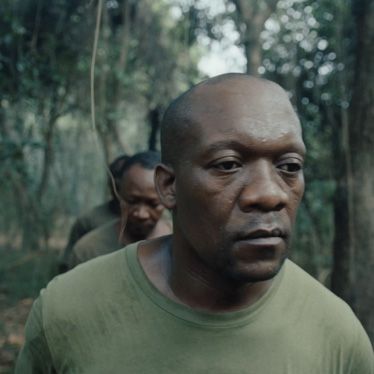
“This is such an easy thing to say, but so incredibly hard to do as a filmmaker. These guys aren't too communicative, they are stoic about their day-to-day life as wildlife rangers. And a lot of their families have no idea how dangerous their jobs are. So they are very serious about what they do and weren’t all that open to talking on camera at first.”
“At times, the guys appeared somewhat standoffish, but I think that was us being foreigners trying to shove a camera in their faces. And not being able to speak Sena or Portuguese, meant it was very hard to communicate. What we found worked best was to go to a location and just hang out with everyone for a couple of hours. One of our DPs, Garth De Bruno Austin would spend time teaching the kids how to play cricket, or we would just try to make jokes and connect. Fortunately, we were able to build a great friendship with Alberto, who is one of the head rangers. He has four wives and twenty-four children, so we were able to connect to his family by spending time with the kids.”
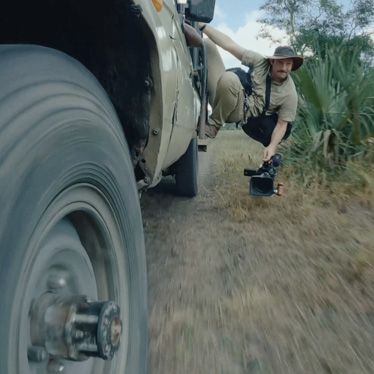
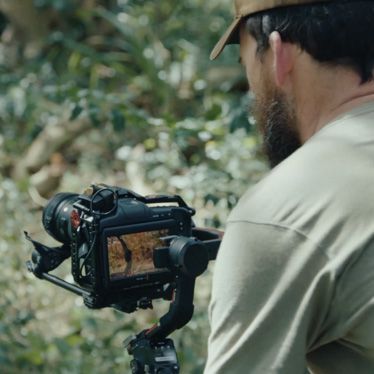
“All of the kids loved our camera gear and drones, so much so, that once the kids became comfortable with the cameras, so did their parents. And so we literally spent hours mucking around just having fun and ended up capturing these wonderful, unguarded moments. As a production team, we were constantly riding this balance between observational documentary storytelling and looking for scenes that reflect the reality of the day-to-day life of an anti-poaching unit.”
“The biggest limiting factor was budget of course. We would have loved to have spent more time in Mozambique to capture more individual scenes. The problem with this sort of subject matter is you could be out on patrol for three or four days and not come across anything of interest. At some point shooting during the first trip, we decided to change tack and focus more on the families and relationships amongst team members.”
“By the time we returned for the second shooting trip, we were able to set up a projector for a community screening of the first episode for everyone to enjoy. This was a game changer for us, becoming much closer to the community and the rangers as well. This was probably the first time that many of the community members got to understand what the rangers were doing and how their efforts were preserving the ecosystem.”
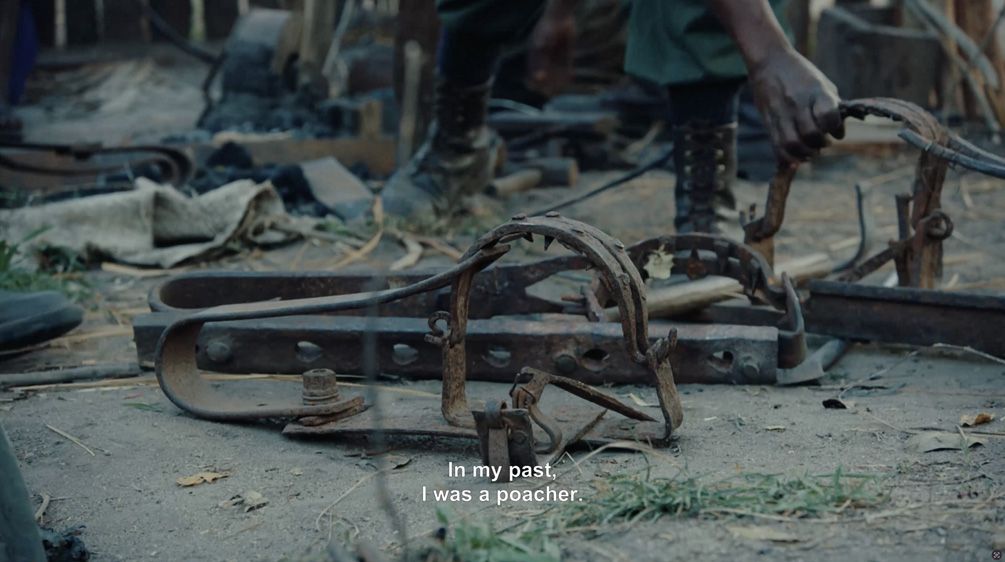
“With shooting episodes two and three, we were able to film more undercover type investigations. On this second trip, we were invited to see how the informant network in the towns nearby works and understand more about the commercial bush meat trade. Gin traps and snares are the most common form of poaching, so if you can clamp down on the suppliers of traps and cut off the supply to certain areas, then you can help preserve the wildlife.”
“With episode four we looked at fishing, which is legal but has quotas allocated by the government. If left unmanaged and unregulated, it gets to a point where there are too many people depleting the fish stocks, as has been the case in many western countries. So this episode looks at the system they've come up with to regulate the amount of fishing, and who’s actually doing the fishing!”
“Another major issue facing so many societies is ongoing deforestation. In the case of Mozambique the forest is burnt for charcoal production, which comes by way of slash-and-burn agriculture. The soil is so poor that can only sustain one crop, after which another patch of forest is cut down to plant another crop the following year. Left unchecked, with the amount of people in the area, it is unsustainable. For there to be a thriving ecosystem for the wildlife and people, the forest habitat also needs protection.”
“Guardians shares insight into the personal sacrifice it takes to protect one of our last remaining wild ecosystems - a dedication to those devoting their lives to this cause and shining a light on the devastating impacts of wildlife crime left unchecked. These rangers are a beacon of hope and an example for other countries to follow.”
Cameras: Blackmagic URSA Mini Pro 12K OLPF, Blackmagic URSA Mini Pro 12K OLPF, Blackmagic URSA Mini Pro G2, Blackmagic Pocket Cinema Camera 6K Pro, DJI Mavic 3 Pro, GoPro Hero 10
Post production: DaVinci Resolve Workflow Editing and Color Grading