COSMOS
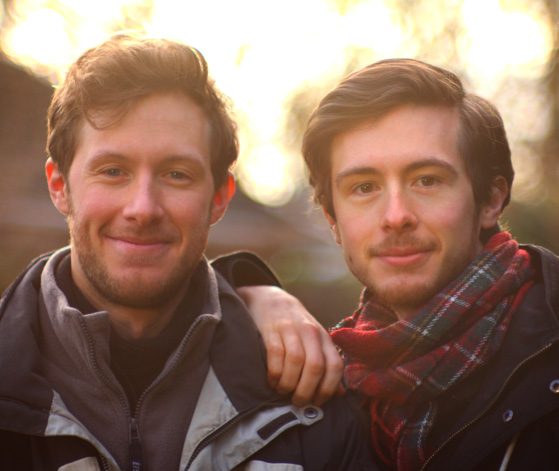
“COSMOS was born out of a desire to have a debut Feature calling card. We didn’t want to have to ask or wait for permission, approval or finance to showcase our drive and talents as Film Directors. So we decided to take full control and responsibility over the project and self-produce and finance the film. We also wanted our director fingerprints all over it, from end to end so we committed to doing basically everything ourselves. We researched, wrote, storyboarded, production designed, location scouted, cast, crewed, slated, shot, focus-pulled, lit, sound recorded, production managed, directed, edited, sound designed and mixed, graded, produced the vfx and mastered the final film. This process took 5 years. The last 2.5 years were full time, 5 days a week.”
“During the 55 day shoot we did have an additional full-time member of the crew who was our Mom, responsible for make-up, hair and continuity, but often helped slate shots, take production stills and many other things. Our Dad was supposed to work alongside us on the camera/lighting but we sadly lost him a month before we started shooting in September 2015.”
“Sometimes during the shoot we had additional help from a friend who would be kind enough to add their extra hands to rigging lights or using the smoke machine. We’re extremely grateful to those people for their generosity and support through the shoot. Also our three actors helped in the crewing of the film, they’d slate shots and help rig and de-rig gear, even taking production stills and video.”
“During post we worked alongside a really talented UK based film composer called Chris Davey for 3 months to score 90 minutes of orchestral soundtrack. Although the process was very tiring, my memories of working with Chris are filled with laughter and joking and a shared love for film music and its beauty.”
"COSMOS was born out of a desire to have a debut Feature calling card. We didn’t want to have to ask or wait for permission, approval or finance to showcase our drive and talents as Film Directors."
“You can’t avoid being influenced by ‘Close Encounters of the Third Kind’ - that’s not a sci-fi thing, that’s just filmmaking in general. But it’s surprising how few “alien signal” movies there actually are, it seems an incredibly familiar story in culture for the small handful of films that tackle the subject of discovering an “alien message” but don’t develop into “encounter” or “abduction” films. COSMOS ends where films like ARRIVAL begin - it’s the prequel to all those movies when we wake up one morning with a mothership over our city. Who were the people who knew this was coming? And how did they find out? This isn't NASA or the Feds, this is three ordinary men discovering the answer to a question as old as Mankind itself.”
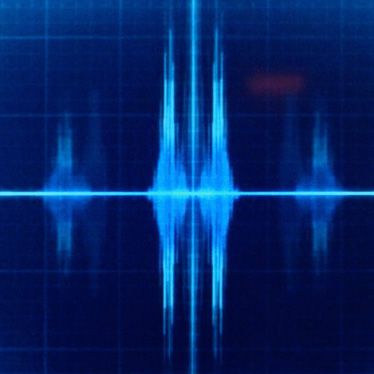
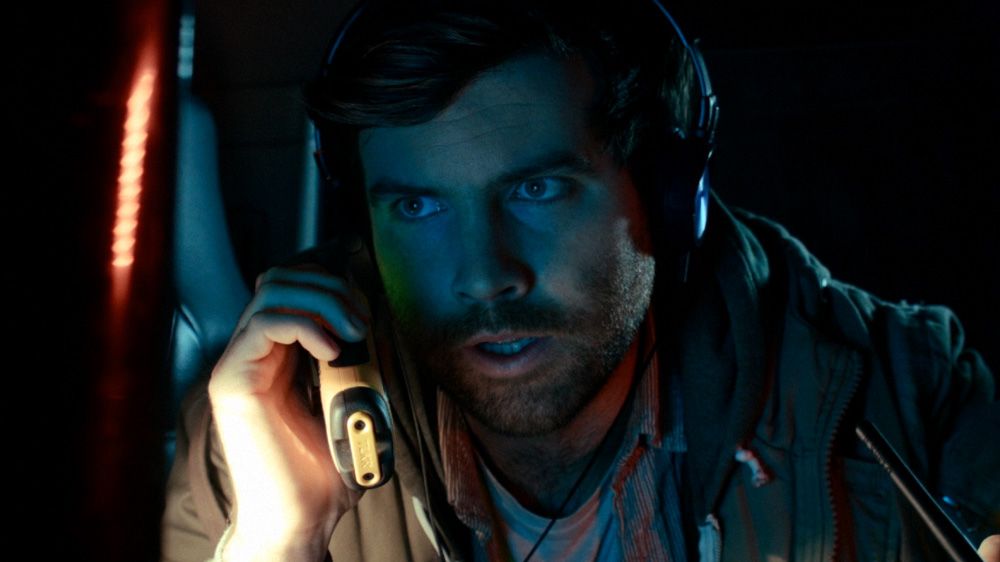
“Most references for COSMOS actually came from surveillance movies like ‘ENEMY OF THE STATE’ and submarine movies like ‘DAS BOOT’. We wanted to create the claustrophobic tension of a depth-charge scene but while listening to space signals instead of sonar pings.”
“Another touchstone for the film, particularly for characterization and dialogue, was the NASA Archives we’d become familiar with during our documentary production. We’ve spent many years producing TV documentaries about the Apollo Program and having interviewed many Mission Control and Ground Team members, we found ourselves in equal awe of these engineers and scientists as the Astronauts, quick minded professionals dressed smartly in shirt and tie, wearing horn-rimmed glasses and crew-cut hair. And we were compelled to tell a story of scientists and space science in an accurate and admiring way. A story of men, who by day, are aeronautical engineers and physicists, but by night share a passion for the wonders of the universe above. If they were to discover an alien signal, they’d instinctively drop into a NASA like procedural mindset and speedily work the situation; their dialogue firing as rapidly as their minds. We thought that’d be an exciting scenario to drop an audience into.”
“The difficulties associated with COSMOS were predominantly internal; making a movie without outside support means everything is on you. You must mobilize the entire film from within, you must find the right team and furthermore find a team that will work for free, you must push for that next take even though the clock ticks and you’re behind schedule and despite having the weight of production entirely on your shoulders, you must always go about your business with a laugh and a smile.”
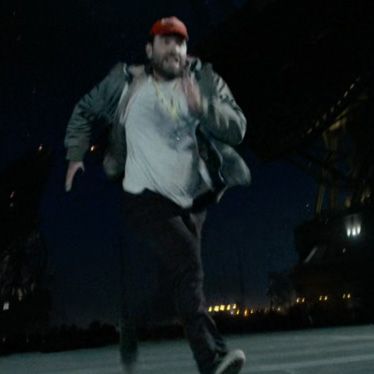
“I think we were incredibly fortunate to find the actors that we did, but perhaps isn’t wasn’t luck, perhaps it was our tenacity to stick with it and keep looking until we found the right people. Their contribution to this project is immeasurable and their consistent hard work, passion and positive attitude kept the shoot running smoothly.”
“The internal battle is one of fatigue, self doubt and persistence. To get up everyday to continue to chipping away at this enormous block of marble. To step back after a 10 hour shift and see a small dent in the stone, but to know that the dents will add up and eventually, at some point you’ll find the sculpture beneath. That isn’t easy, especially when it requires a level of personal sacrifice; your social life flickers and fades, your world shrinks and your mind can turn inwards. There were freezing cold nights, long days, early starts and late finishes, filming through the winter we’d catch a glimpse of sunlight for just one hour a day for an entire month and we’d return home after a long days filming, back up rushes, record video blogs and plan the next days schedule. But the psychological battle during those many months of post production was easily the biggest challenge of making a movie without any outside help.”
“The hardest part of this movie was losing our Dad. He passed away just a month before we began filming; he was a documentary film cameraman all through our childhood, he and our Mom inspired us to pursue our passion for filmmaking and were both critical in helping us believe we were capable of making great movies. So to lose him a month ahead of filming, on our first feature film, something we’d all dreamt of working on together was indescribably painful. Just a few days before we called action on the first shot of our first film, we were standing at his funeral wishing him farewell. It was hard to see the shots rolling in and not be able to turn to him and share the excitement. Although painful, in a way, I think COSMOS saved us, it gave us something to focus on in the shadow of a great personal loss, it pushed us to make the best movie we could for our Dad and gave us a sheer bloody-mindedness to make this film for him and never give up.”
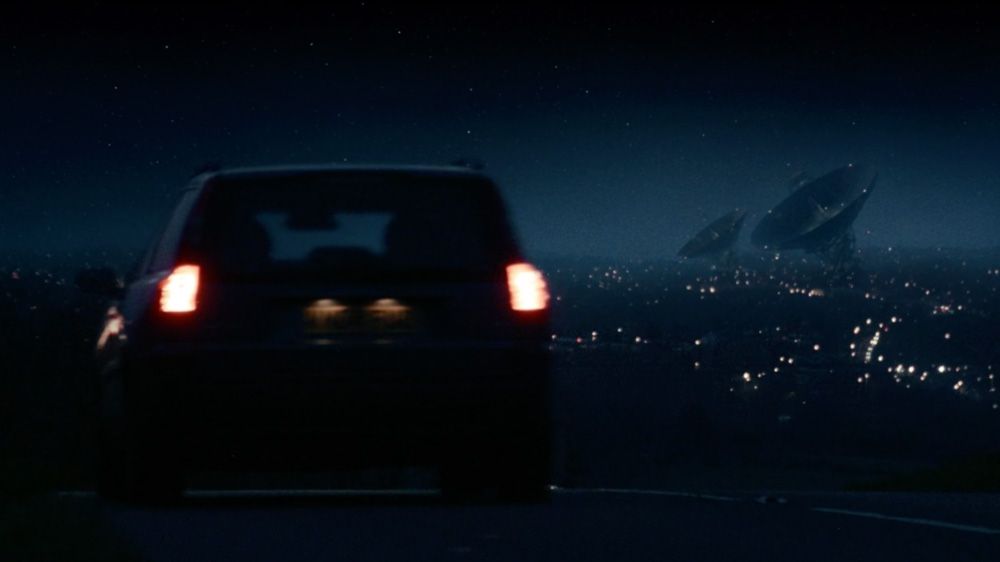
“We used the equipment we already owned, but in truth, there really was no second choice of camera, it was the Blackmagic Pocket Cinema Camera or nothing. 70 percent of the film takes place inside an estate car, and the small size of the BMPCC allowed us to actually shoot most of the film inside the confined body of the vehicle on wide lenses, rather than through the windows on longer lenses. We wanted to place the audience inside the car with the characters, to make them part of the space and a participant to the story rather than an observer of it. We could mount the BMPCC on a slider and actually have camera moves inside the car. It worked a treat and gave COSMOS the polish of a budgeted feature. The small size also meant we could limpet mount the BMPCC to doors and body panels of both the picture car and the camera pursuit car for dynamic exterior driving sequences.”
“But its compact size wasn’t the only factor that attracted us to the BMPCC, the picture quality was beautiful; for a digital camera it had a very organic and filmic aesthetic, something we felt was hard to find in other cameras at the time and in this price bracket. Capturing in 1080p ProResLT, we shot 61 hours of rushes on COSMOS without a single fault or failure of the camera system. We had two lenses used with a Speedbooster, a 28mm Super-Takumar stills lens with Pixco wide angle converter (which we shot 90% of the film on) and a 18-200mm Tamron Zoom for the occasional long lens. On the camera we had an Aputure field monitor. We also had a one meter Konova Camera Slider, on two nights we borrowed a little micro dolly with about 3 meters of pipe track and we also employed a wheelchair as a dolly on several occasions.”
“Location sound was recorded on the Zoom H4N using a Sennheiser 416 shotgun mic. And for lighting, we had three K4000S LED Panels and, on location, also had an Ianbeam 2kW Blonde but could only use it when we had access to a mains power supply - which was about 50% of our night shoots. We also had an Artem Smoke Gun.”
“Given the nature of the project there were many occasions when we employed “unusual techniques”, whether it was balancing our slider in the confines of the car on paint points (they were in the garage where we shot!), shooting “push ins” on characters using a tea towel to slide the camera across a cramped desk or printing and sticking an image of the Moon onto a lamp stand to appear in the reflection of one of the car’s windows.”
“Sadly, I fear the greatest gift for a director can also be their worst enemy; budget. Money is a mobilizer, it brings talent, momentum, opportunities, support and production value, but I think too many options can be dangerous, I think people perform when there’s a degree of restraint, when the sky isn’t the limit and your first idea isn’t always possible. Zander and I are keen to carry forward that independent spirit on to our future projects, to embrace new opportunities but never forget those questions we asked on Cosmos: "is this important? Is there another way to achieve this?"”
“Our post production period was just the two of us working full time, 5 days a week for 28 months. Between us we completed the picture cut, grade, 160+ vfx shots and all ADR, foley and sound effects recording, editing and mixing 100 tracks of audio containing approximately 60,000 individual audio files. We also worked alongside a film composer called Chris Davey for 3 months to score around 90 minutes of orchestral soundtrack. Post on no budget is extremely challenging, for the sheer volume of work that needs to be accomplished and the isolating regime that is required.”
“COSMOS was a unique filmmaking experience born out of a need to prove ourselves as Film Directors. It took 5 years of dedication and focus, we used every trick and technique we’d ever learnt and taught ourselves what we needed to learn. We’ve never worked as hard before in our lives. Yes, there are easier ways to make an indie film but we chose to do it this way and it was the most rewarding, enjoyable, challenging and exciting project we’ve ever worked on. COSMOS is a small little character driven, no-budget sci-fi movie that wears its heart on its sleeve and we’re immensely proud of it and satisfied with the finished film and our team. And we hope it finds an audience that embraces it for what it is and enjoys it.”