Vance Burberry ASC, ACS
“So at nine years of age, I found myself living in a trailer in the back of a gas station in Sydney and attending Belmore Boys High School. By the time I was fifteen, my dad, who was fighting Hodgkin’s disease, went back to England where he unexpectedly passed away. I was on my own living as best I could in Sydney.”
“Fortunately, the owner of Matthew’s Tires in Campsie, Neville Davey, gave me a job in his tire shop. That’s literally how my career got started. While I was working in the tire shop by day, by night I was hired to do lighting for local rock bands. This is how I met and quickly began to work with Roger Barrett as part of his theatrical lighting department. Roger taught me the fundamentals of lighting.”
“I began working in the music industry for The Angels. And soon after with legendary Australian bands like Cold Chisel and INXS, touring with them as their lighting designer. At the age of twenty, I was living a ‘carny lifestyle,’ on the road nonstop in Australia and all over the world.”
“I just loved the rock ’n roll industry. I really related to it because of what it stood for. It represented a lifestyle that was anti-establishment. Experiencing this nomadic touring life allowed me to escape into what I felt was complete freedom.”
“I left Australia forever when Chris Murphy, the manager for INXS, approached me in 1982 to do their world tour. INXS wanted a theatrical lighting approach, which was very different for a rock show back then. While on the road in the US, INXS were opening several shows for the Go-Go’s. I got on really well with their crew and tour manager. A couple of days before I was going to fly back to Sydney, the Go-Go’s asked me to stay on for their tour. And so for the next two years, I was doing concert and theatrical lighting in the US.”
“I was literally on the road for eight years nonstop, between Australia and the US, working for various artists as their lighting designer or part of the lighting crew. I got to a point where I really wanted to get off the road for a bit, so I accepted a job offer to work for Gary Klimmer at SIR in Los Angeles, where I was given the task to build and run a concert lighting system.”
“There was a storeroom that backed on to a sound stage. One day, I happened to walk onto the sound stage while they were shooting a James Taylor music video. The gaffer was desperately trying to find a lighting electrician. I told him I was a rock ’n roll lighting guy, but could help out if they wanted me to. Next thing I knew I was working as a film set electrician. This is right when the explosion of MTV happened and heavy metal was really big. And guess what? No one in the film industry had much experience with concert lighting. So I quickly became that go-to guy.”
“I soon found myself designing concert lighting for music videos for the likes of Janet Jackson and Bon Jovi. I quickly became a gaffer, which is how I came to work for directors David Fincher and Nigel Dick at Propaganda Films, who are considered music video legends. Every time I worked with Nigel, I kept bugging him to let me shoot. I drove him crazy. I was working as Nigel’s gaffer on ‘Welcome to the Jungle’ for Guns N’ Roses when he finally agreed let me operate B-camera.”
“I guess learning to shoot on film came fairly naturally to me. I always closely observed what cinematographers did with their exposures and eventually learnt to shoot using my own eyes. Nigel also used to let me sit in on his color grading sessions. Back then, if you were a half stop off your exposure, you were totally screwed. I got pretty good at nailing my exposures!”
“When Nigel was asked to direct ‘Sweet Child of Mine’ for Guns N’ Roses, he asked me to be the cinematographer. What I didn’t realize was this music video was going to be huge! And from then on, I was working nonstop shooting all of these big name music videos.”
“I became totally immersed with cinematography because it really moved me. Having been in the music industry all those years, I loved that rebellious way of being which I translated onto the moving image. In a sense, I found my true love of cinematography through music.”
“I was a bit of a maniac then. I remember running sixteen film cameras simultaneously for Alice Cooper at Wembley Arena. It was all crazy shit and I loved being in the middle of it. It was a dream come true and it was going great, until my cocaine addiction became problematic. By this time, Nigel Dick and I had worked on many, many videos together. Nigel doesn’t smoke or drink and is the nicest guy you could ever wish to meet. He tolerated my addiction all through that period.”
“One morning after binging hard the previous night, I woke up and said, ‘I can’t do this anymore,’ and so I quit. I soon discovered that cocaine was disconnecting me from my heart, which is where my creativity comes from. I have to be emotionally connected to my heart in order to express myself creatively, but being high all the time prevented that. Which meant that the process and quality of my work ultimately suffered.”
“After I crashed, I had to start from scratch and work my way back up in the industry. At the time, Pioneer were producing LaserDiscs for karaoke bars. I got a gig to shoot and direct these karaoke videos on a Canon Scoopic 16mm camera for the next three years before I got back to where I left off.”
“Even though I was back working with the likes of Ozzy Osbourne, Linkin Park, and Red Hot Chili Peppers, I had no interest in going back to that crazy work lifestyle. At that time it was very normal for everyone to be jacked up and partying, it was part of the culture, but just wasn’t something I could go back to.”
“My ‘comeback’ was probably ‘Sweet Dreams’ for Marilyn Manson; which is still one of my favorite projects. Marilyn was (and still is) a very creative performance artist and although we had a very small budget we were able to create something that at the time was considered groundbreaking and incredibly creative. The director, Dean Karr, wanted to experiment using World War II gun cameras and high speed animated stills cross processed on color reversal film. I also played with using a hand poured glass 4x5 filter I had made to create a distorted image. I found it all incredibly exciting.”
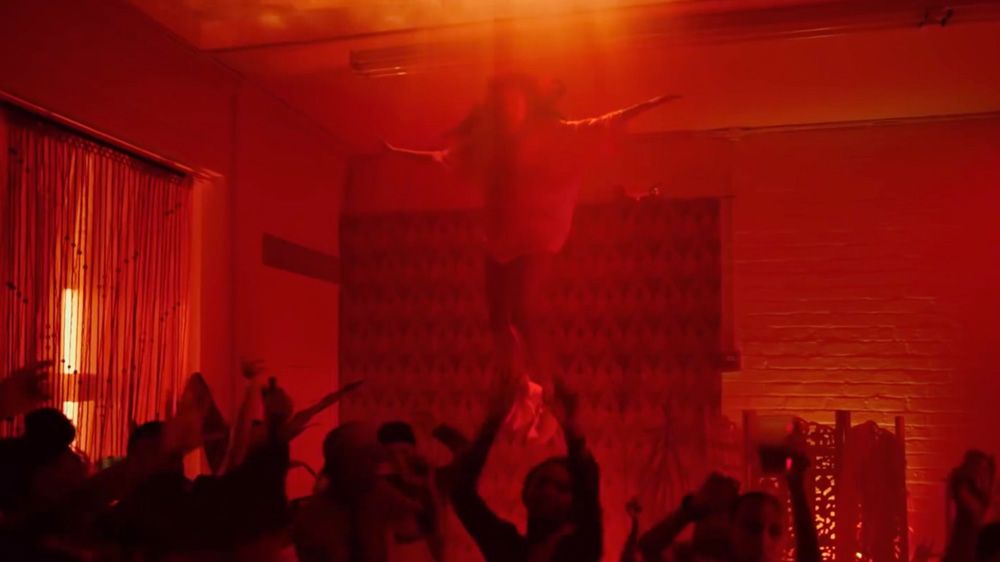
“By the mid 90s I started working on a ton of hip hop videos for the likes of Busta Rhymes, LL Cool J, Nas, Diddy, and 2Pac. I mean, these shoots were brutal. You were working very long hours and the artists would roll on set with 50 or more of their best friends! You had to be incredibly professional and at the top of your game. The budgets were large and the setups were massive.”
“I remember shooting ‘Stressed Out’ for A Tribe Called Quest when the director Hype Williams asked me if there was anything wider than the 10mm Primo lens we were using. I knew that Panavision New York had this 8mm Nikkor fisheye lens that they had modified with gears and a PV mount so I was able to quickly get it to set as we were just down the street. After that shoot, the fisheye almost never came off the camera when shooting for Hype and it became the go-to lens for many hip hop videos. So there were some really interesting people doing some really cool things back then. We shot some beautiful looking film that was brought to life by my three main colorists at the time, Dave Hussey, Beau Leone and Stefan Sonnenfeld.”
“By this time I was shooting music videos constantly with quite a few commercials as well. Every one of them was shot on film. In 2004, I got to shoot ‘Taxi’ with Queen Latifah and Jimmy Fallon. It was my first studio feature film and it was a lot of fun working with director Tim Story. Around then, due to the explosion of Napster, the budgets and quantity of music videos rapidly declined.”
“This was also the time when the transition from film to digital started to happen, much to my chagrin. I found this a very hard process as the emerging digital cameras were nowhere near the image quality of cameras today. I constantly pushed back against producers and directors who wanted to shoot digital because the image quality compared to film was inferior. In fact, until the ARRI Alexa came along around 2010, I refused to shoot digital jobs. For me, image is everything. Film is still a beautiful medium and I am thrilled every time I get to shoot with it.”
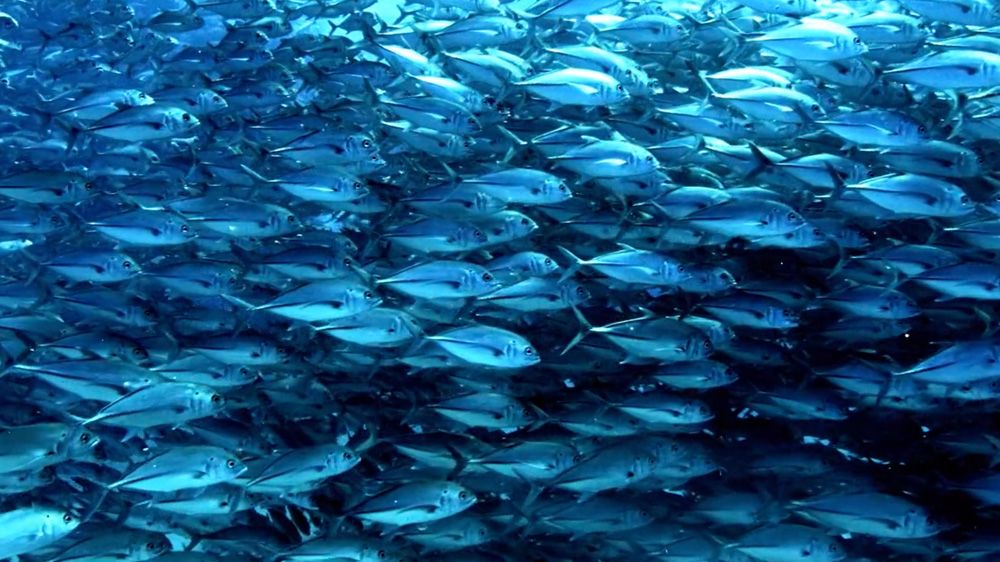
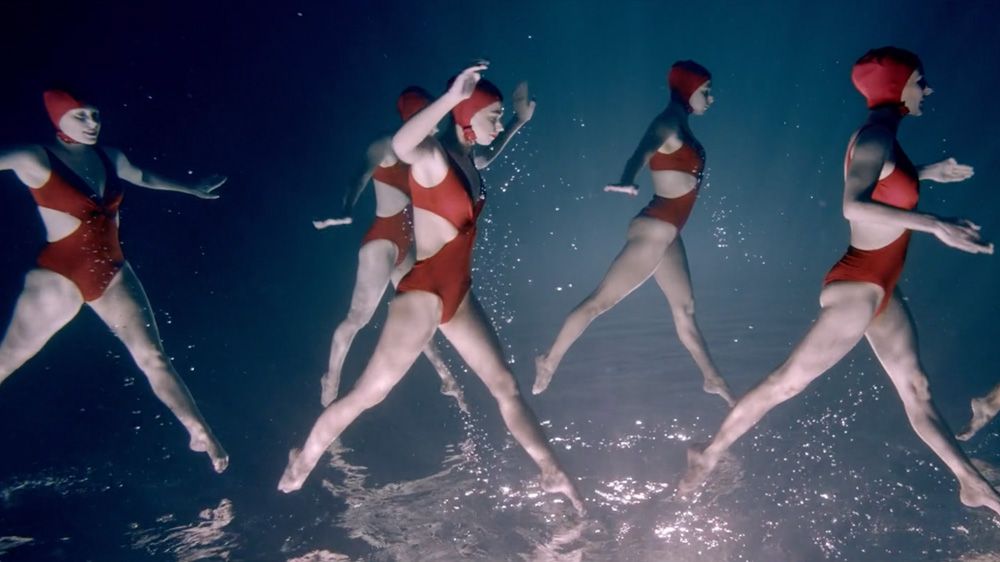
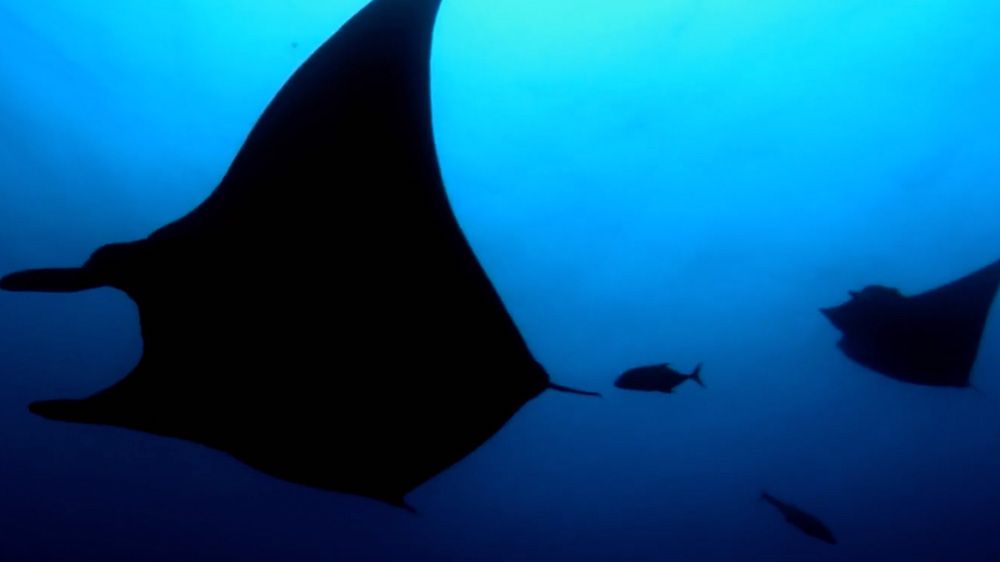
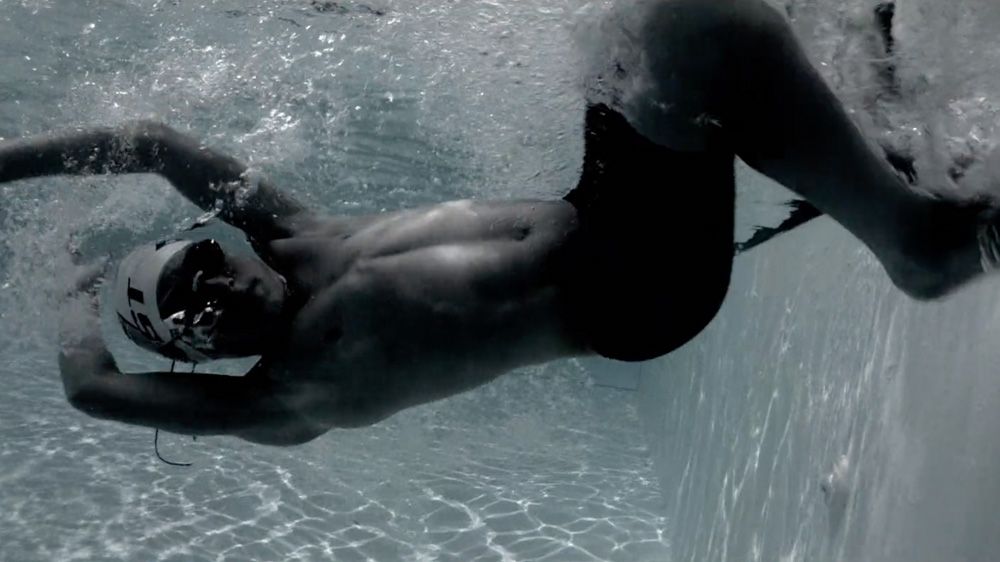
“A great passion for me is my love of the ocean. I have been a diver for forty years and a National Association of Underwater Instructors (NAUI) Instructor Trainer for twenty of those years. Every time I get in the water these days I have a camera in my hands. I get a sense of freedom and peace being alone in this beautiful underwater world. The noise of life disappears and I can be with myself. This is why I always wanted to fly and finally became a licensed pilot in 2014. Flying gives me that same feeling.”
“In the last few years I have found my career coming back full circle to my roots in live music, but this time shooting live concert films using digital cinema cameras. I've shot shows for Pearl Jam, The Eagles, Beyoncé, U2, and OneRepublic. The multicam approach these days is a blend of cinema and broadcast using ARRI Alexa and Blackmagic cameras interfaced with broadcast technology. The last multicam concert I shot on film was John Mayer ‘Where the Light Is’ at the Nokia Theatre in Los Angeles, which was nominated for a Grammy Award. Of course, all that has sadly come to a halt due to the pandemic. Hopefully it will be back next year and I’ll get to shoot more of those. The live show experience is incredibly exciting and challenging. There is so much to stay on top of and once those cameras roll there’s no take two so you better be buttoned up.”
“I’m also enjoying teaching SCUBA diving and currently offer a professional underwater cinematography workshop through my friends at Hollywood Divers. It’s a course I developed and has become an official NAUI certification. I love being able to bring my land cinematography and lighting skill set to any underwater film project. I’m also excited to say that I will soon be FAA certified as a commercial drone operator, which is a simple transition as I am already a pilot.”
“My whole life has been about self discovery, connecting with my creativity, and growth. Since I could remember, I marveled at the way light could transform a stage into a magical world that fully immersed the audience in the story. My goal right now is to focus on narrative work, whether feature films or projects for streaming platforms. There is so much amazing work happening in that space and it’s tremendously exciting for me.”
“To this day, my love for creating worlds with light and shadow has never faded. Cinematography is an art form and a craft and for me, it’s a spiritual journey.”