Tobias Nash

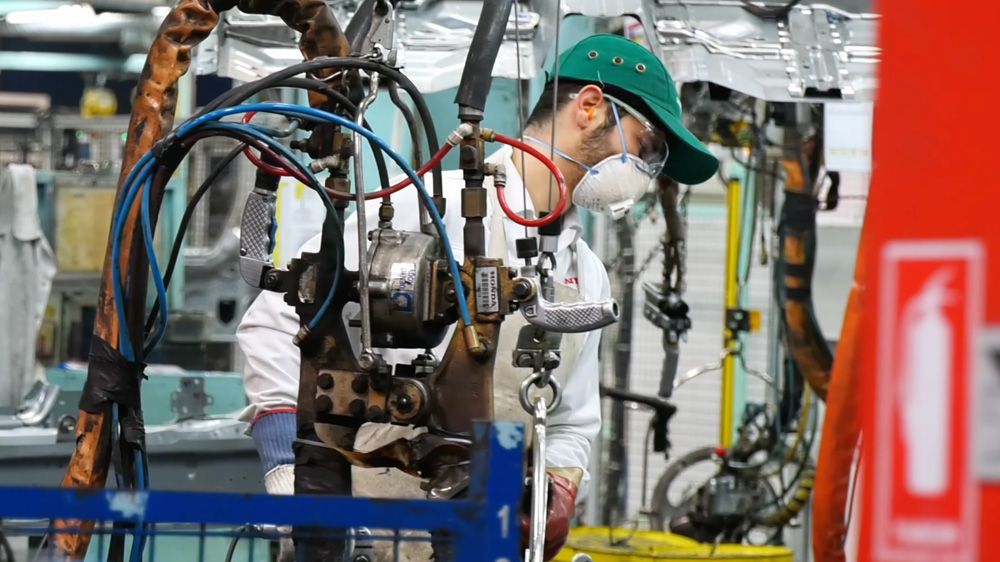
“I was born in Cambridge, UK, and then I moved to China where I spent three years. This was a huge move for the family and particularly for me. Attending a local Chinese school without knowing how to speak Mandarin was incredibly intimidating. But with help from my parents, I became fluent in Mandarin and really integrated with the local culture. As much as a white, bright-blond haired kid could anyway! So much so, when we were forced to leave China due to our visas not being reissued, I protested “These are my people!” and refused to eat with a knife and fork.”
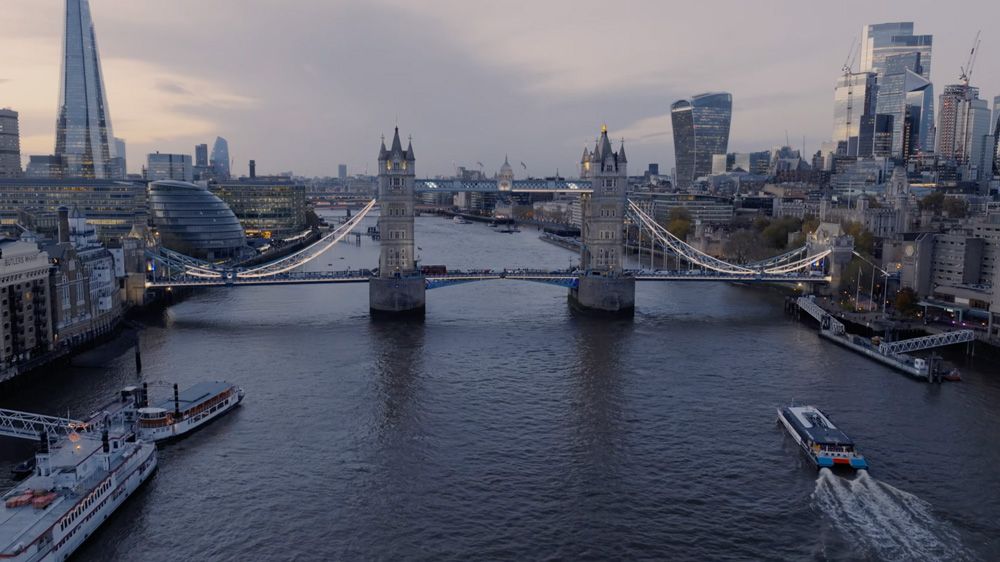
“After returning to the UK and getting over the severe reverse culture shock, we settled on a small island called Jersey. It was there that I first ventured into the creative field. Inspired by a summer camp called West End Experience, where West End performers visited and taught us numbers from their shows, I started auditioning for West End shows. I would frequently fly back and forth between Jersey and London for auditions which was not cheap, but my family were so supportive. Soon after, I was fortunate enough to receive a scholarship to Sylvia Young Theatre School in London. Again, my family took a huge risk but decided to relocate to London with me.”
“During my time there, I had the chance to act both on stage and in front of the camera. On set, I carefully watched how those around me worked, particularly the Director and DP, and I became interested in the process of crafting stories behind the camera. So I used some of my savings from acting to buy my first camera: the LUMIX G7. With this camera, I began shooting videos, drawing inspiration from what I observed on sets and learning from countless YouTube videos. Then I continued to hone my skills as a filmmaker and build both my practical knowledge and arsenal of equipment as I started to shoot for weddings, then events and then started to plan larger projects for the future.”
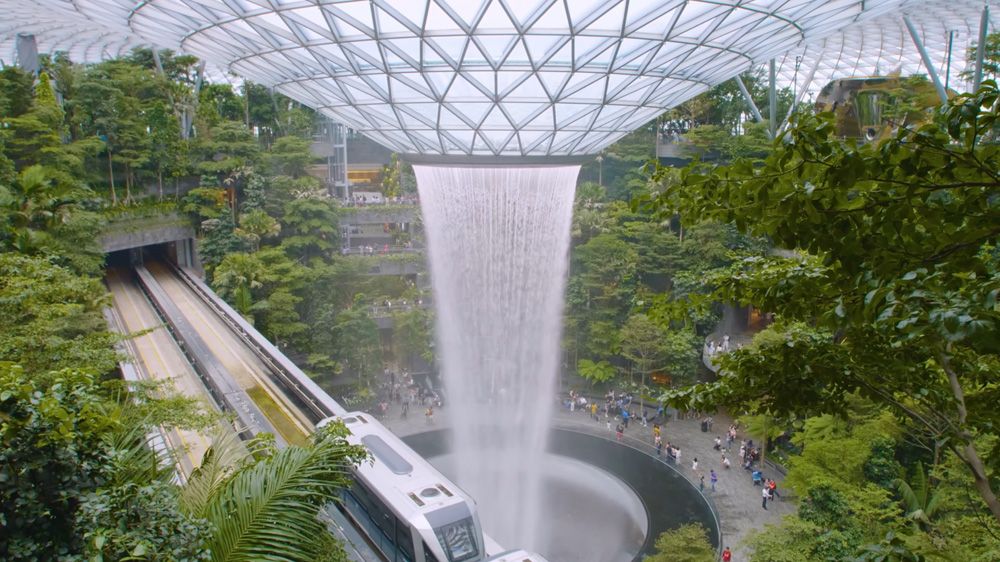
“After living in London, I returned to Asia and spent three years in Singapore pursuing my academic interests in psychology, philosophy and sustainability. After completing my International Baccalaureate at Dulwich College, I took a year to work in sustainability and map out future projects in more detail while transitioning back to London.”
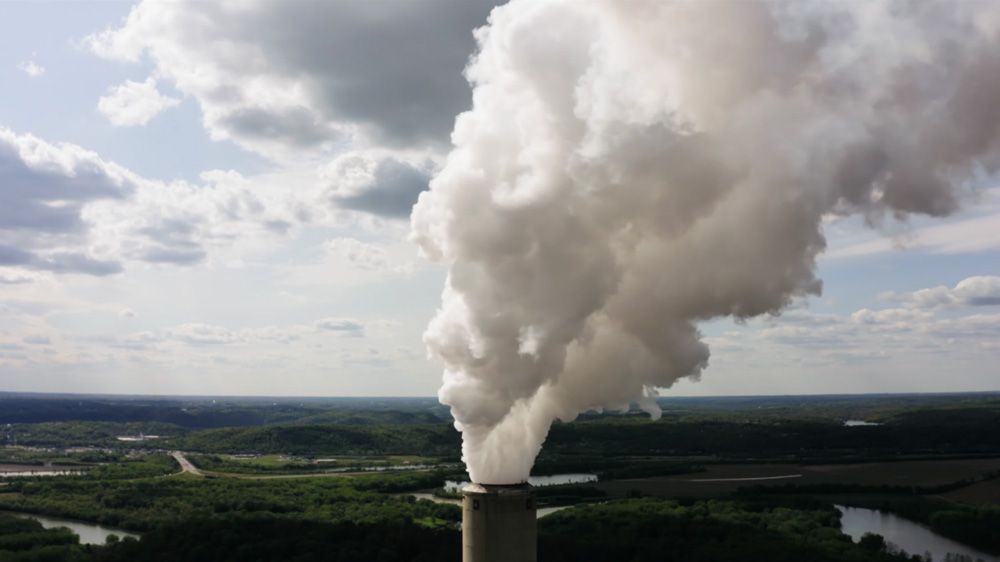
“I became quite weary working on environmental issues, such as carbon auditing and ESG reporting whilst being bombarded with doom and gloom messaging. The environmental documentaries we often see tend to be pessimistic, painting a picture that "we’re all screwed". But telling stories of change and offering solutions is crucial. It is important for us to face the reality but it is vital to show that there is a way forward, highlighting the accomplishments of pioneers and how we can join them. Otherwise you are left with eco-anxiety and powerlessness. So I became passionate about telling solutions-based stories, giving people hope and practical tools, to empower them to take action and help us resolve these environmental issues.”
“Ultimately, I developed a thesis to unite both my passion for resolving global issues and for psychology:”
“What underlies all environmental issues is human action. What underlies human action is human psychology. Therefore, if we understand how we can understand how we make decisions better, we can make better decisions.”
“This thesis, as well as a desire to combine my filmmaking skills with my Psychology degree, led to my current project: ‘Denizen’. Denizen is a feature documentary designed to give people a better understanding of how we make decisions, and subsequently, how we may be able to resolve global environmental issues.”
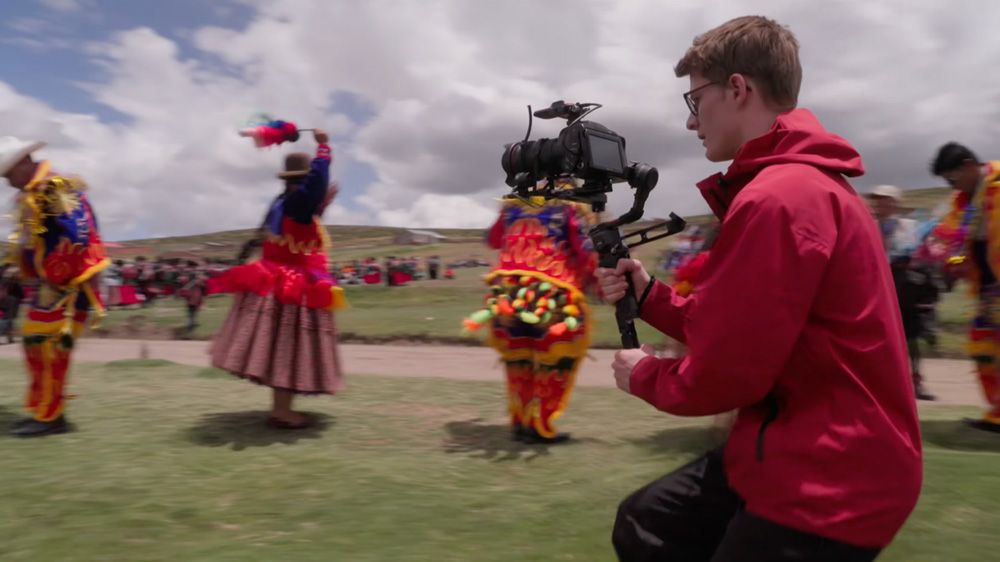
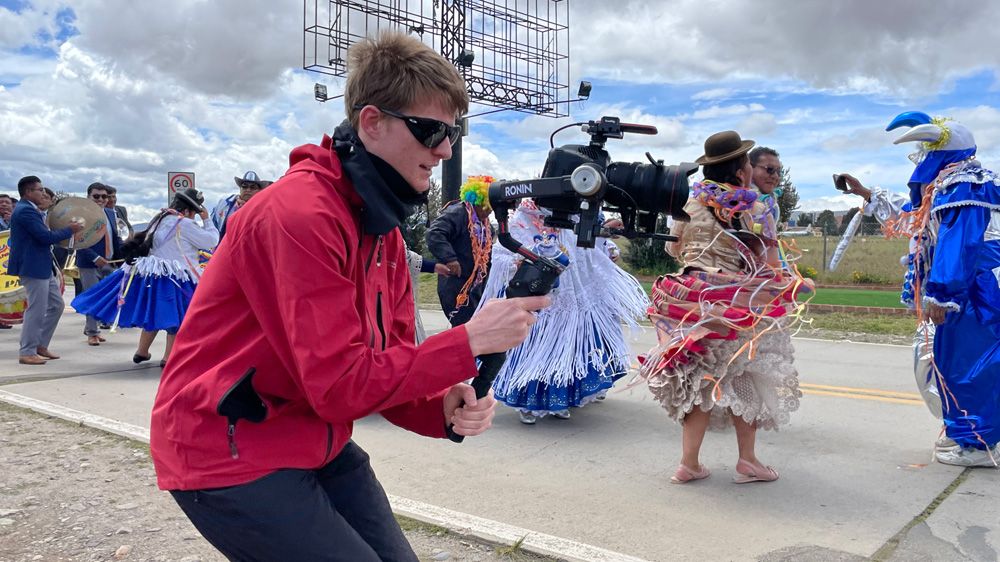
“In the documentary, I traveled through the Andes mountain range, living with indigenous communities and sharing their stories. I believe my international upbringing and interest in languages allowed me to better connect with individuals who are seemingly very different from myself and find common ground from which we could build a relationship and share their stories well.”
“There are two aspects to my journey into directing, the interpersonal side and the creative side. On the interpersonal side, I was initially drawn to the directors I worked with and noticed that their success stemmed from their genuine kindness and how they treated everyone on set with respect. They fostered a positive and collaborative atmosphere on set, where people were motivated and excited to bring their best work, rather than to not mess up.”
“On the creative side, I found inspiration from YouTubers such as Casey Neistat and Peter McKinnon. As a 14-year-old, the action-packed, adventurous nature of their videos captivated me. But they also shared insights into their camera equipment, video-making techniques and creative ideas which I eagerly absorbed and experimented with in my own videos.”
“Peter McKinnon stands out as someone who emphasised the value of using unique and interesting angles. I remember one video in which he placed a GoPro inside a kettle and poured boiling water over it, and another where he placed a camera at the bottom of a bag of chips, to capture someone reaching in for a chip. I found this unconventional approach captivating and it pushed me to think outside of the box, to make my storytelling more interesting and make the viewer feel more a part of the action.”
“Platforms like YouTube have democratised filmmaking so that any filmmaker can tell the stories that they want to tell. In the past, the film industry seemed distant and inaccessible, with big Hollywood films serving as the primary source of inspiration. However, YouTubers like Casey Neistat and Peter McKinnon have changed the landscape by sharing their filmmaking processes, techniques, and creative ideas openly with their audiences.”
“By showcasing their own videos and documenting their journeys, these YouTubers have made filmmaking more relatable and attainable for aspiring creators. They have demonstrated that one doesn’t need a massive Hollywood production budget or a large crew to create compelling content. Instead, they have shown that passion, creativity, and a willingness to experiment can go a long way in producing engaging videos.”
“This shift in perspective has opened up possibilities for aspiring filmmakers, to explore and embark on their own creative endeavors. It has allowed individuals to realize that they can start small, experiment, and develop their skills over time. By breaking down the barriers and emphasizing the creative process, YouTube creators have empowered a new generation of filmmakers, offering them a more accessible path to express their artistic visions and share their stories with the world.”