Steve Griffiths
Alongside Steve's work with the IMUG, he is also a producer and director at Visionlink, a Sydney based video production company founded in 1988 and he has been in the television production business for more than 30 years.
“Like many others in this industry, I can actually pin-point the exact moment when I decided I wanted to be part of this industry forever. It was the moment I saw 'Star Wars' for the first time. From that moment my dream was to go and work for Industrial Light and Magic. All through my childhood years I would make many Super 8 movies, for which I won a number of awards for their VFX.”
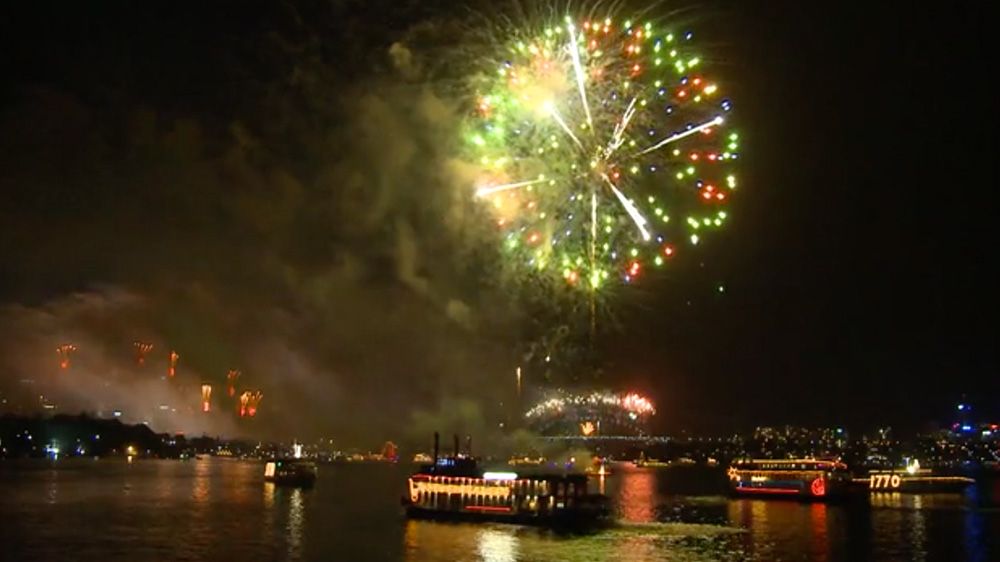
“As a kid growing up on the Northshore of Sydney in the 1970s, I couldn't wait for the month of June when we would celebrate 'Guy Fawkes Night' or 'Fire Cracker Night'. During this month, fireworks could be legally sold. I could then buy up as much I wanted and stockpile it for all these visual effects explosions, which I could then film.”
“My inspiration for these explosions came from TV series like, 'Space 1999' and 'Star Trek'. Anything that had spaceships and some sort of visual effect, I was interested in as a kid. When my parents bought me a Bolex camera in 1978, things suddenly became epic. Now with the Bolex, I had to write scripts and plan my productions to justify the expense in pocket money that went into processing the film.”
“I remember this one scene out of 'Space 1999' where a spaceship enters the atmosphere on fire and crashes into a bunch of trees. I used our VHS player, frame-by-frame to try and work out the model effects for this scene. After, some thinking about how smoke would behave in zero gravity, I tried to recreate the scene at home.”
“The idea I had was to shoot an explosion directly from above, or below in this case, to control the smoke so it looked like zero gravity. I had all of this gunpowder from my fireworks, which I lit while I was underneath the explosion protected by a sheet of glass. I shot the whole thing at 50 fps on my Bolex camera. It was the best explosion ever! The only problem was that some of the unburnt gunpowder fell between a gap in the glass onto my head and burnt all some of my hair off! As you can imagine, I was in big trouble with my folks.”
“My professional career began with my mother's tennis friend, whose husband owned a production company. This company had just started production on a 'Candid Camera' style program for Network Seven, called 'Catch Us If You Can.' So that was my first full time job after leaving school and how I came to start my career in broadcast.”
“My first task was to catch all of those people caught on camera and try to convince them to sign the release form! I worked on this show for the next thirteen weeks while shooting all of the episodes. After thirteen weeks everyone was fired except for me, because I was so cheap.”
“About this time, the Sydney Entertainment Centre was being built and the company I worked for won the contract to do all of the event video production. I soon found myself working as an operator on the world's largest video projector.”
“The machine I worked on was about the size of four refrigerators. With it, I could project images up to 50ft across the stage. As the Eidophor Projector Operator, I got to work on all of the big rock concerts in Australia. I worked with David Bowie, The Police, Bruce Springsteen, Dire Straits, Shirley Bassey, Deep Purple, Elton John, Cold Chisel and the nicest man I ever met, John Denver! There was only one Eidophor Operator in Australia at the time, and that was me. So by age twenty one, I had already had the most amazing life.”
“While based out of the Entertainment Centre in Sydney, I started to do some camera work on live events, which is how I next fell into OBs doing sportscasting. I was very lucky to have worked with Alan Coleman, who was a very well respected televisiondirector from the UK at the time. He was very instrumental in teaching me how to work with multi camera productions.”
“Because we were recording all of the music concerts at the Entertainment Centre, every band came to us wanting a finished video of their live performance. And that's pretty much how I came to cut my teeth as an editor, by working on videos for bands like Midnight Oil.”
“After four years, our contract with the Entertainment Centre came to an end. So we moved to new offices in Northbridge, a suburb of Sydney. We were still doing corporate production, live sports production and OBs at this stage, so I was doing everything from editing to sports broadcast production.”
“Then in 1986, the original founder of our company sells out to an entrepreneur by the name of Ross Pitts. To my amazement, Ross then offers two of us the opportunity to become his business partners. The company I had worked for all of my career, was now part owned by Lee Rogers and myself, heading up all the operations for Ross.”
“It’s about this time, that we were heavily into shooting music clips on 16mm film for a huge number of Australian rock bands. As everyone knows, the only problem was that we could never make any money out of it!”
“Where we did make money, was doing sports broadcasts for Channel Nine’s ‘Wide World of Sport’. We did some amazing sports broadcasts over the years. One of the best projects I worked on was for PepsiCo, when they launched Mountain Dew in Australia. We did a TV program for them called, ‘Test of the Toughest’, where the best athletes from a range of different sports competed with each other across these different courses.”
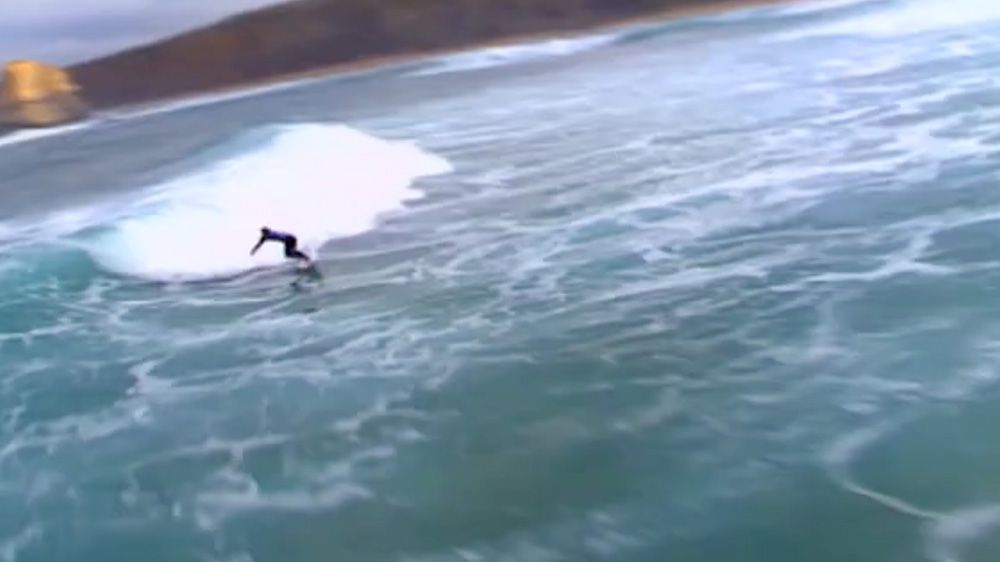
“This experience then led onto to me pitching a show to PepsiCo called ’Surf the Edge’. Basically, we took the world’s best surfers and flew them to a secret destination. We then picked them up using military helicopters to drop them into very remote surf breaks, where we had a surfing competition underway. This then became a one hour TV special for Channel Ten here in Australia. It was one of the hardest times of my life, but we did pull the whole thing off so successfully. It is still one of the stand out productions of my career.”
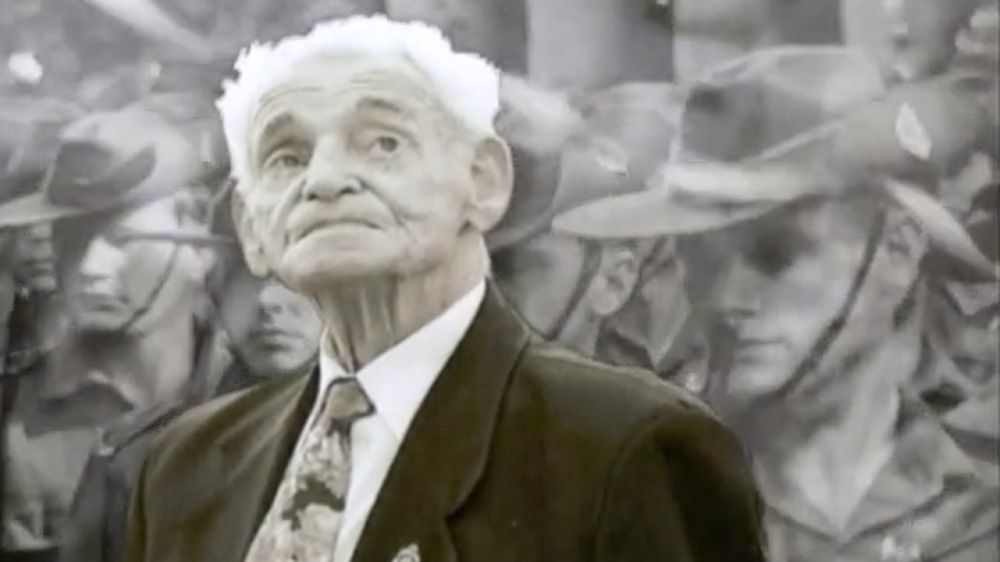
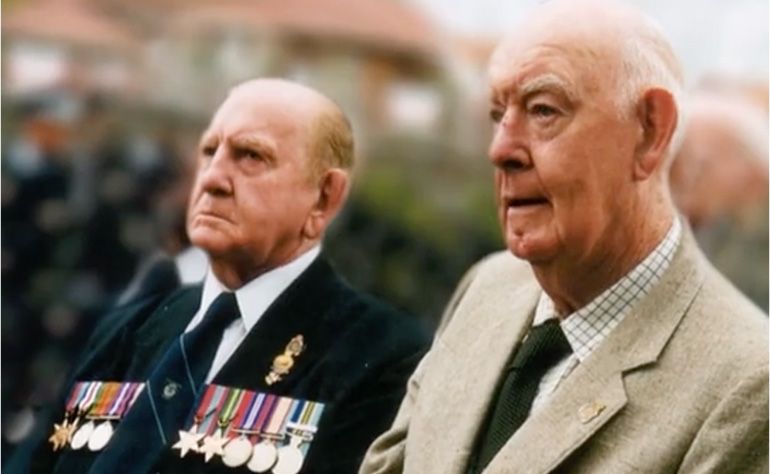
“I think the best production I have ever produced was in 1995, for the 50th Anniversary of World War II. There was a show on at the Sydney Opera House, called ‘Liberation’, which focussed on the Jewish survivors of the German death camps and what became of them after the war.”
“I worked on this massive projection using 70mm AV and video, telling their story over five programs at the Opera House in Sydney. We filmed hundred of hours of interviews with Jewish survivors to create this story. That was the most unbelievably emotional and wonderful experience of my life. That one experience was so profound for me, that it has influenced my actions all through my life.”