Stephen Murphy
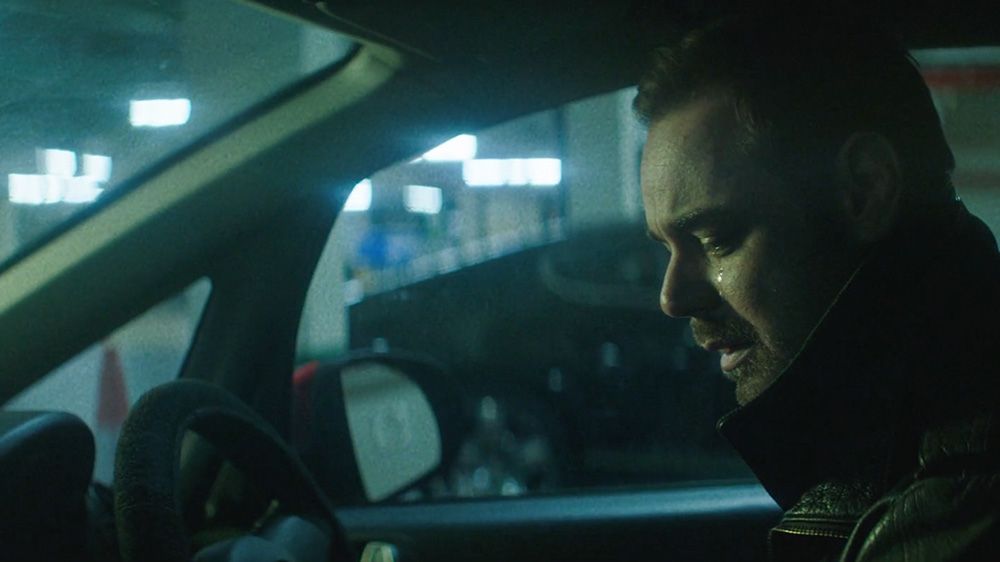
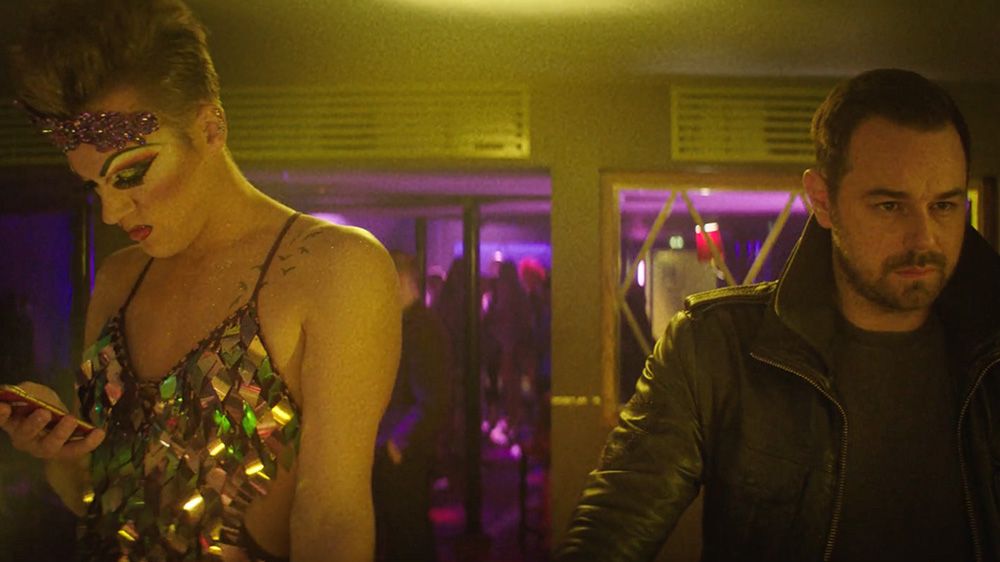
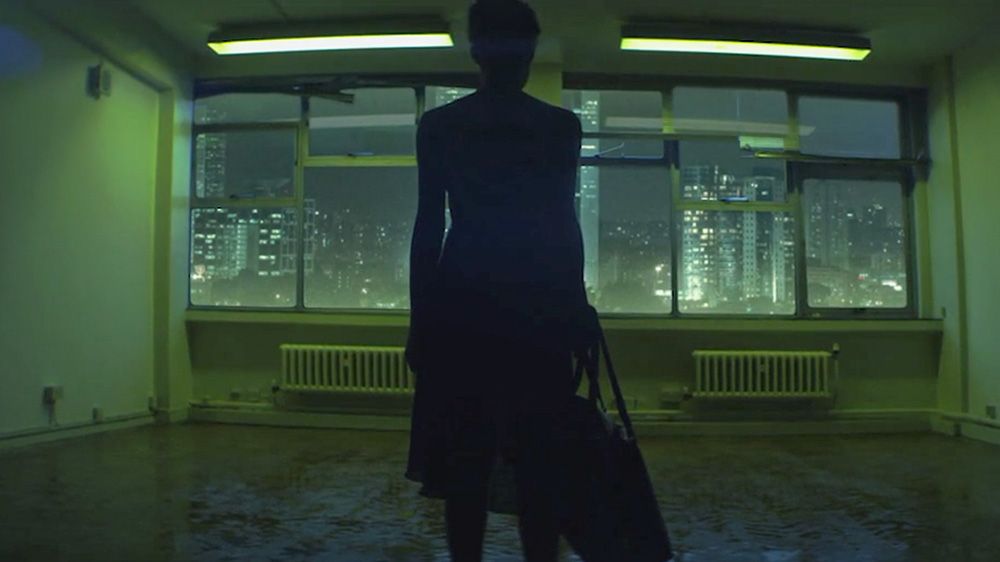
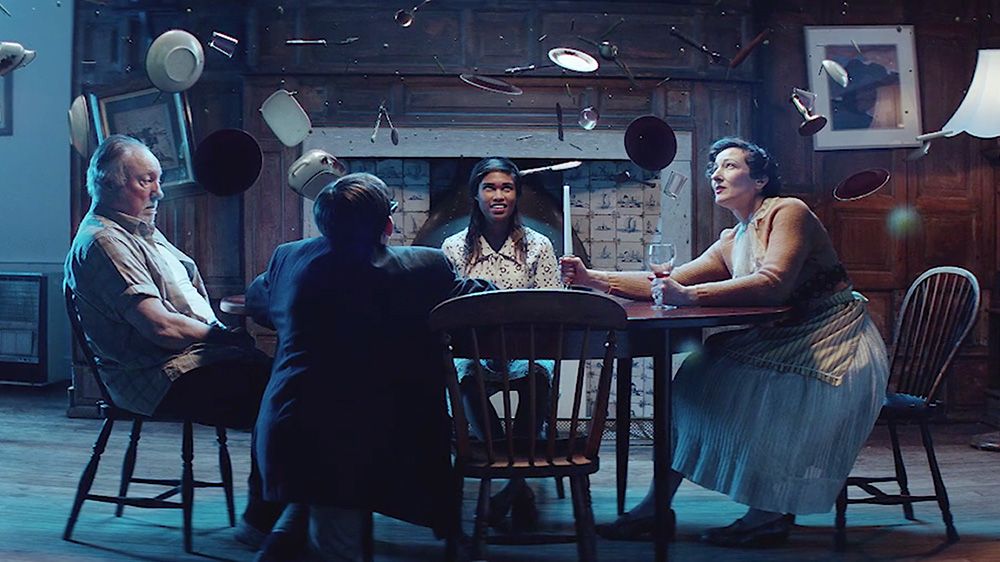
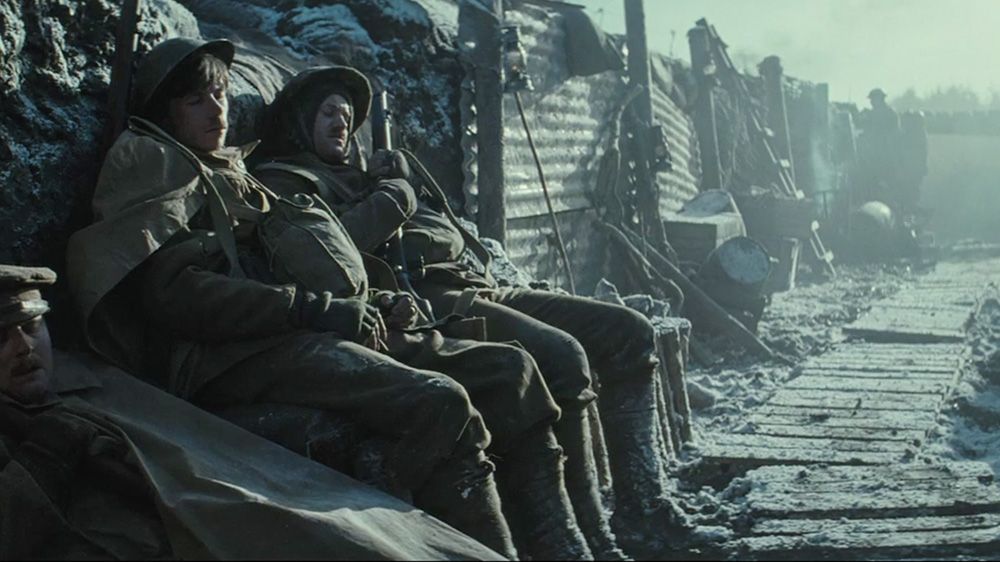
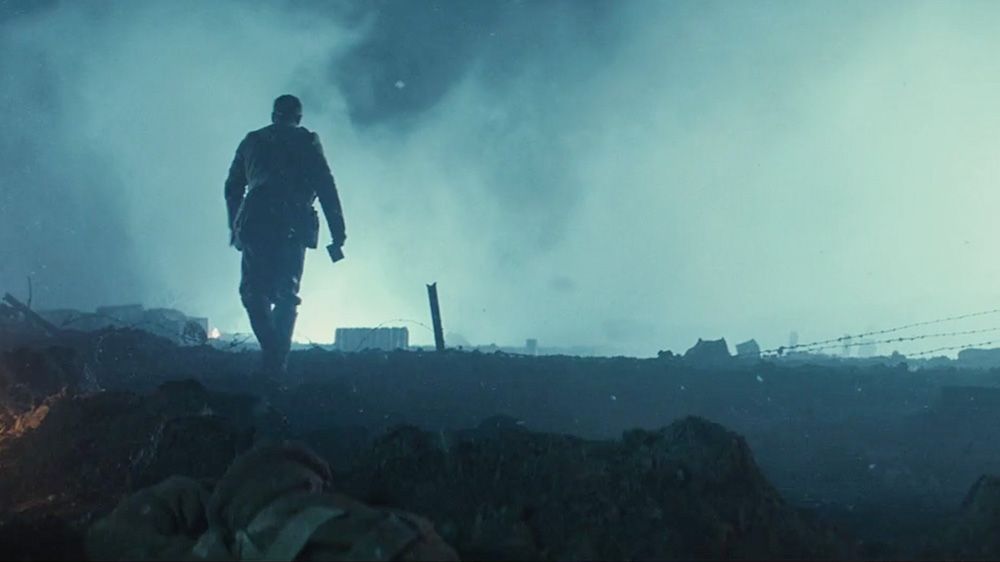
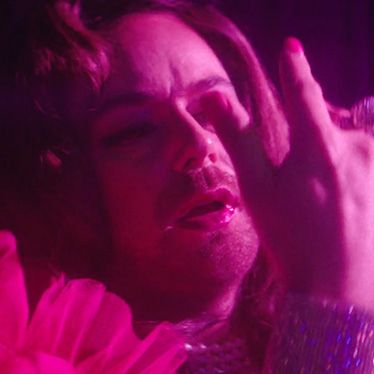
"So when I began to consider a career in the arts rather than a normal job, I just figured it would be as a comic book artist. At the time, there was no real school in Ireland that taught sequential comic book art, and I never really considered moving to another country to go to college. So when I was looking at what I could do, there were a couple of colleges in Ireland where you could do animation; which I thought was the closest thing to comic book art or having the same skill set!"
"While looking at my options, I came across a college at Dun Laoghaire that ran a prosthetic makeup and model making course, both of which were designed to train people for effects for movies. They were training people to create prosthetics and miniatures, and that kind of thing fascinated me."
"Through out my youth, I had been doing everything that a sci-fi geeky kid would do,like building models and painting monsters. I watched “Movie Magic” on TV religiously and devoured any books I could find on the making of movies."
"So the idea of building miniatures and doing prosthetic effects makeup seemed familiar to me. Through this course, getting into movies suddenly seemed very tangible, real and accessible."
"We were trained how to paint, sculpt and draw, and then as part of the course, we would shoot our make ups on 35mm B/W photography. This was so that we could see how the camera lens would treat our work, which is important when you’re designing things that need to be photographed. At the time I had never even touched a camera, so I had no real concept of what photography was all about. Until that moment, a camera for me was something you took on your holidays for snaps!"
"When we started to do B/W photography and I got into the darkroom for the first time, it absolutely blew my mind. That changed how I saw everything I was doing. I suddenly started to look at the whole filmmaking process, instead of just the small part that I was training for, and I began to think of everything from the perspective of a camera lens."
"At college they also had a well respected film school so I began to work as a make up artist on the sets of the film students and slowly started to see how different departments worked on set. The Cinematographer struck me as being the film equivalent of a comic book penciler so I gravitated to that immediately."
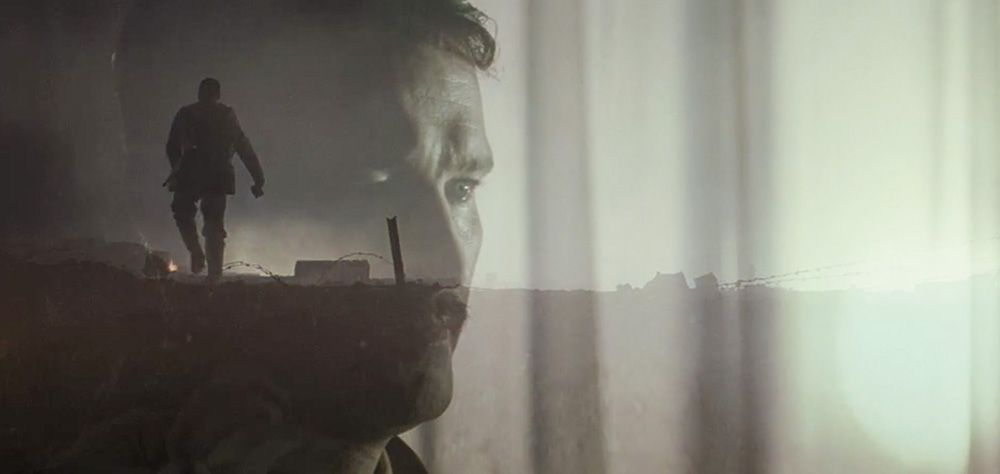
"During my time at Dun Laoghaire College, I met an older graduate by the name of Tom McInerney, who owns ‘Puff Jockey Studios’ in Ireland. Tom was already doing prosthetics and creature effects, so I was very fortunate to get work with him straight away while still studying. I managed to do some relatively advanced stuff very quickly, thanks to Tom. At the time, I guess we were probably the only two guys trying to do prosthetic makeup in Ireland, so it was a pretty rare skill!"
"About the same time, the American film director, Stuart Gordon was shooting a film at Sandyford in Dublin, where his team had built a side by side miniature effects and motion control setup. I went to do one days work experience with the miniatures team and surprisingly ended up working with them until they finished shooting the film! That was truly one of the best experiences for me, because I now begun to understand the whole VFX and filmmaking process. This experience finally unlocked in my head, the idea that maybe I could do more with my career than sculpt and paint and just do FX prosthetics."
"Before leaving college, I decided that I wanted to become a cinematographer. I didn’t have the finance to go back to college and do a filmmaking course, so I found this brilliant six week course at Ardmore Studios, which I could attend with the intention of then becoming a camera assistant and working up the traditional route. It was an incredible program as we were taken through the entire process of writing, shooting, prepping and posting a short film all on 35mm film. It was very hands on where you were working with cameras from Panavision one minute and editing the next. Because I chose to specialize in cinematography and editing, I got to shoot on 35mm and then sit in the edit room being trained to understand the consequences of all my decisions onset. It was an amazing experience for me, and from then on there was no going back."
"For me, cinematography is the closest thing I can still equate to what I dreamed of doing as a kid, and that's telling a visual story through sequential images! However, the idea of being a cinematographer intimidated the hell out of me. So when I finally pursued a career in photography, I had to focus heavily on learning the technical and the craft side to overcome my initial lack of understanding. It was a very interesting transition coming from such a pure artistic place with no technical skill in filmmaking, and then overcompensating in my desire to learn the technical side of the cinematographic process.”
"As my career as a Camera assistant developed in Ireland, I wanted to step up again to become a camera/steadicam operator. I managed to buy a steadicam rig secondhand and enrolled in the Philadelphia workshop that the Steadicam Operators Association (SOA) ran."
"I was very lucky that the workshop I was doing was being held by Garret Brown, the inventor of the steadicam! He was a fantastic teacher, very inspiring and unbelievably talented. Looking at cinematography and camera movement from Garret's perspective really inspired me. From that point on I focused on working in Features, Drama and Commercials as an Operator and got to work with some incredible Cinematographers, including DP’s like Seamus McGarvey ASC BSC, Peter Suchitzky BSC and the late Harris Savides ASC."
"I learned from every Cinematographer, Gaffer and Grip I worked with, watching how they worked, ran a set, dealt with different lighting scenarios and so on. Eventually I wanted to step out on my own and made the decision to concentrate on lighting. I hung up my steadicam rig for good and, about five years ago, I moved to England where my career as a DP has really started to take off. I’ve found producers and directors here have the same appetite for the sort of visual work I am interested in, so my move here has really helped me."