Sridhar Reddy
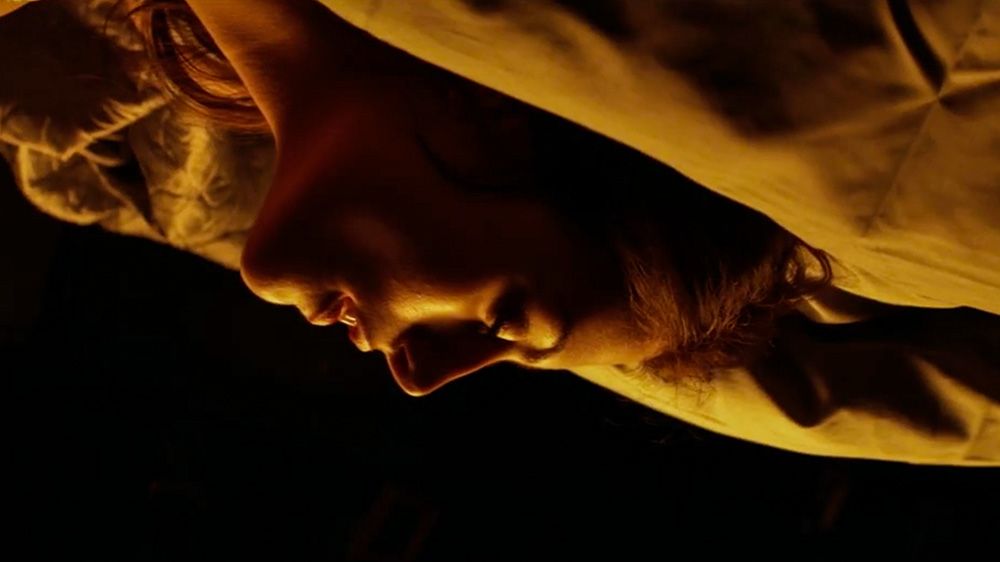
"It took the Brixton Bomber in the UK to awaken the filmmaker in me. While I was working in London as a genetic scientist, I used to write at my favorite cafe. One day the bomber left a bowling bag full of nails and explosive near to my cafe. I went home that day and thought, 'I could get hit by a bus tomorrow!' I never want to go to my grave regretting that I didn't try doing something that I absolutely love."
"When I returned to the US and announced my decision to become a filmmaker, my father's response was that this was a complete career shift and was not fun and games. He said that if I was to do this, then I needed to put in nothing less than a thousand percent. He also wisely said, 'failure is the stepping stones to success, son!'"
"And with that advice, I set out to write a script. When you begin, I guess you write about the things you know, so I wrote about an Indian boy who can’t connect to his culture. I spent about a year trying to get this script off the ground and failed. Eventually, I had to acknowledge that what I wrote meant a lot to me, but wasn’t connecting to other people on a wider scale."
"It was a Catch 22 for me. People wouldn't give me money to make a film unless I had already directed. And, you can’t direct a film unless you have money, so you have to crack that egg somewhere. I told myself that I needed to write something new. Something that I could do with a really low budget and then push it out there and say 'I can make feature films.' That's how I came to write my first feature film, '19 Revolutions.'"
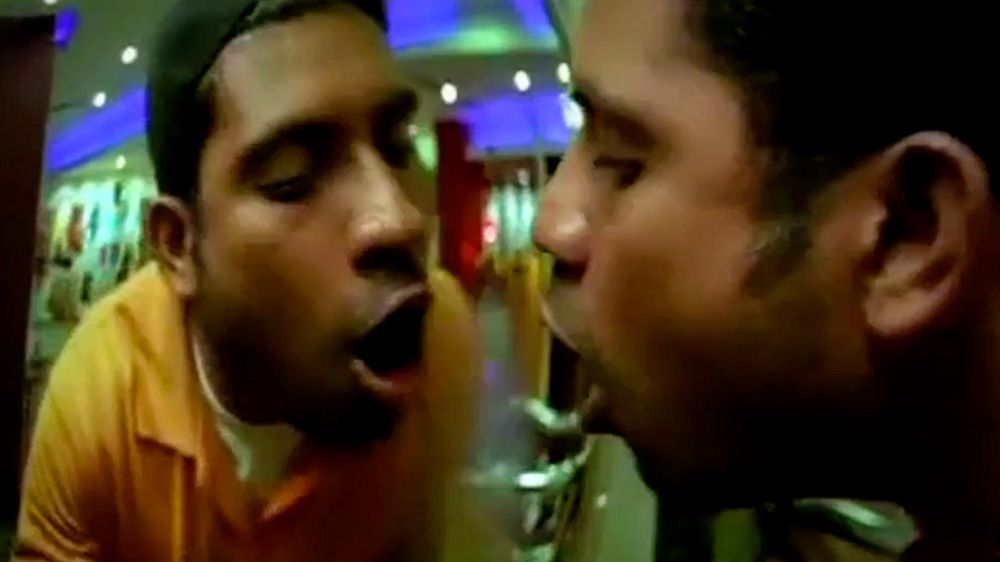
"The idea for my first film was rooted in my love of Jean-Luc Godard’s 'Band of Outsiders.' However, my story is set in the streets of India and takes place over a single night. Shooting in India brings with it a tremendous learning curve. Just learning how to do a film in a different country is very hard, but more so in India where they have their own rules. My one regret with this film is that I made my actors act through their mouths rather than their bodies. Unfortunately, I discovered this later during the edit. This film did a great job for me as I had gone through the gauntlet as a producer too."
"When I showed my first film in New York City at the Anthology Film Archive, in the audience was director Mira Nair and Salman Rushdie. At the after party, I asked Mira for her criticisms. As expected, she said that it was a really 'talkie' movie with lots of talking heads. Mira reminded me that film was a visual medium and with my next movie I should write it like a silent film. I should pretend to watch it with the volume turned down. It was such a powerful moment for me that I went back to '19 Revolutions' and wrote 250 pages of notes on how I would reshoot the entire film. I even re-did all of the storyboards again."
"The next part of my journey was being invited to the Sundance Institute to be part of a producers lab. At Park City, I managed to interact and learn from so many seasoned producers and really glean knowledge from them. Because Sundance is still rooted in making very personal and independent films, it was a tremendous help in me getting a better understanding of what it really takes to package a movie."
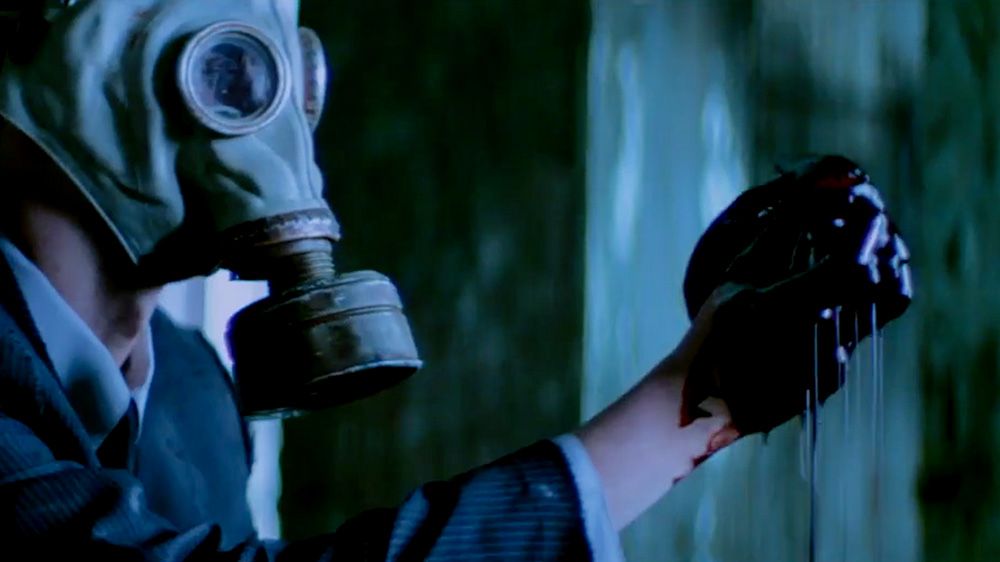
"After '19 Revolutions,' I decided to try the Hollywood studio route. It took me almost five years to develop a picture called the ‘Killing Room.' I went from studio to studio getting my script back each time with notes on how to make the parts more appealing to big name actors. So I went through that whole rigmarole! It was really empowering and deflating at the same time. I felt like my personal vision was being taken away from me, but conversely, I was being given the opportunity to have the tools and the talent to make a beautiful piece of film. That whole process was teaching me how to write a film properly."
“I have learnt that the true equity of the filmmaker, is not the size of your budget, but the level of creativity and experience that you can bring to your projects. However, with filmmaking you only get to be an artist during the days of the shoot and then everything beyond that is selling your product. For that reason, I did a double MBA along with international marketing. Whether you're a CEO of a corporation or an independent filmmaker like me, you are going to have to learn how to raise capital and have some business where-with-all. I knew that with filmmaking, ultimately, I was going into the business of art.”
"However, the best advice on how to be a filmmaker was given to me while I was at film school at NYU. My professor, when reviewing my previous work said to me, ‘you seem to have an intuitive understanding of composition and editing. You have a natural eye for these things, so rather than waste your money here on yet another degree, spend that money and go out and shoot a film!' He also said, learn to be a filmmaker by making films."
"The first film I made was simply me in a sandbox lecturing people. However, I soon learnt that films are a public medium and you don’t make movies for yourself, you make them for other people to enjoy. I remember taking a class from Stan Brakhage, one of the preeminent underground filmmakers of all time. He said to me that film is ‘life capturing life.’ I guess as filmmakers we are in fact, elaborate liars who are charged with telling the truth! I absolutely love being a filmmaker because you can make someone feel and see the truth in something. And that’s what we exist for as filmmakers, to find the truth in the moment or the truth in an emotion."
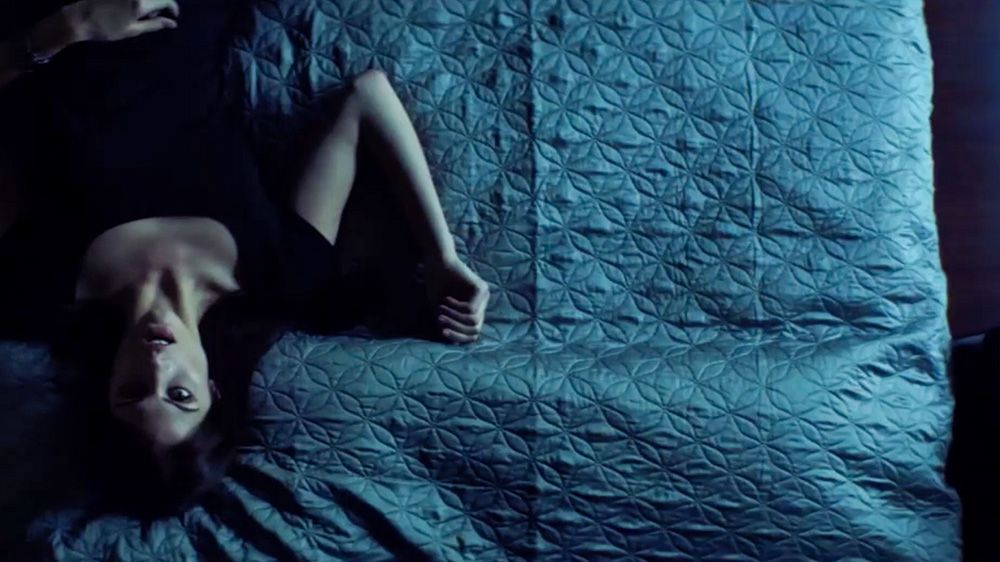
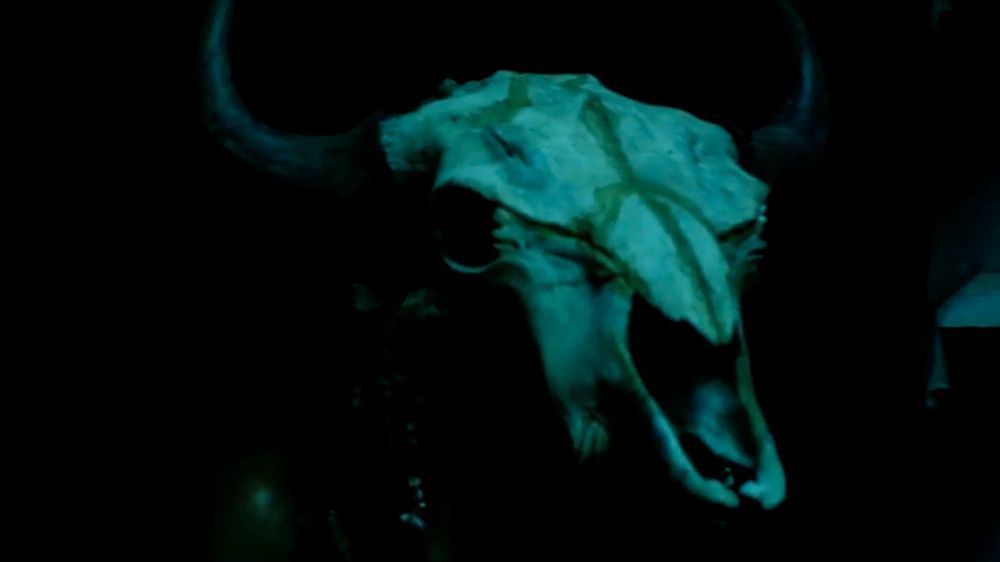
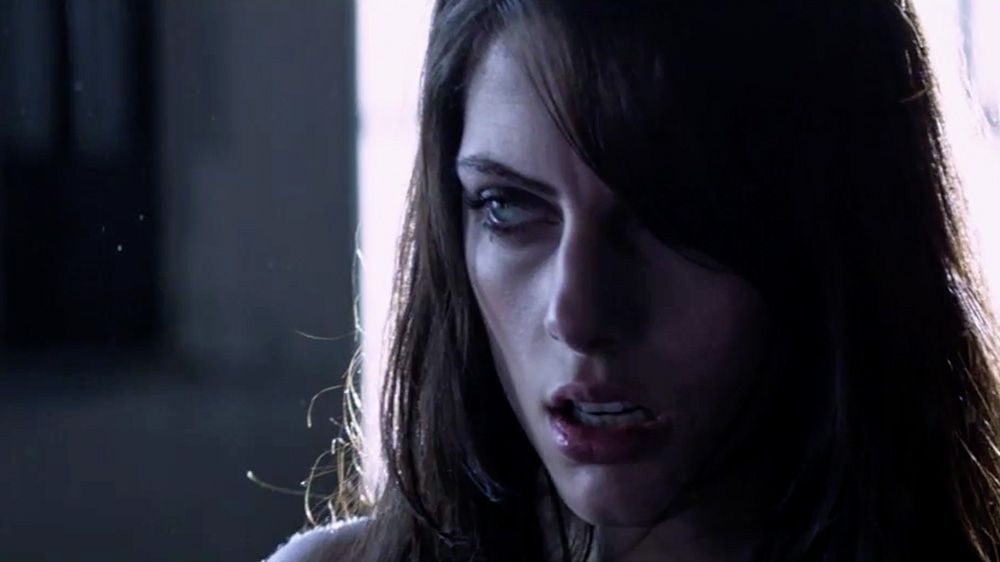
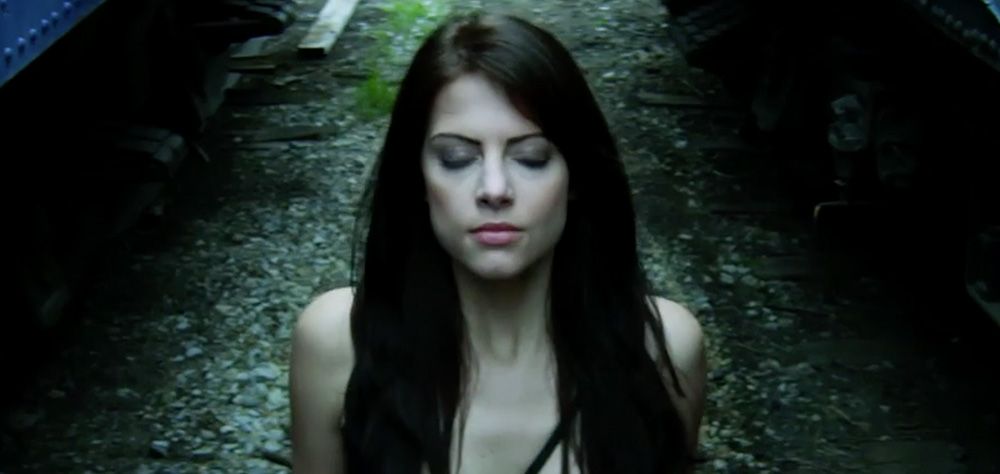
“My latest feature is a horror film called 'Lilith.' Back in college, I wrote a scenario of Dante's 'Inferno' that takes place in a hospital. Each level of the hospital was a different level of hell with the morgue and the chest freezer in the basement being the devil. I had just seen Lars Von Trier's 'The Kingdom' and that confirmed for me that this could be a cool approach to take for a horror film."
"For all that time, this story of Dante's version of hell has been kicking around in my head. The reason I didn't do this as my first film, is it didn't feel right to do as my first picture. I feel that stories come up organically and there is a right time and a wrong time to make them. With all of my life's experiences, the story of 'Lilith' felt right for me to do now."