Skyler Lawson
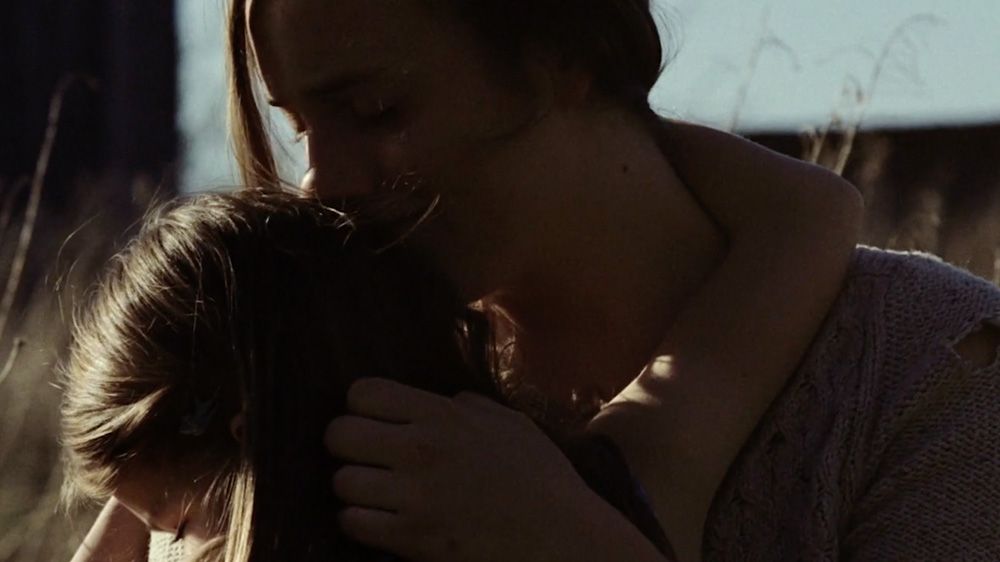
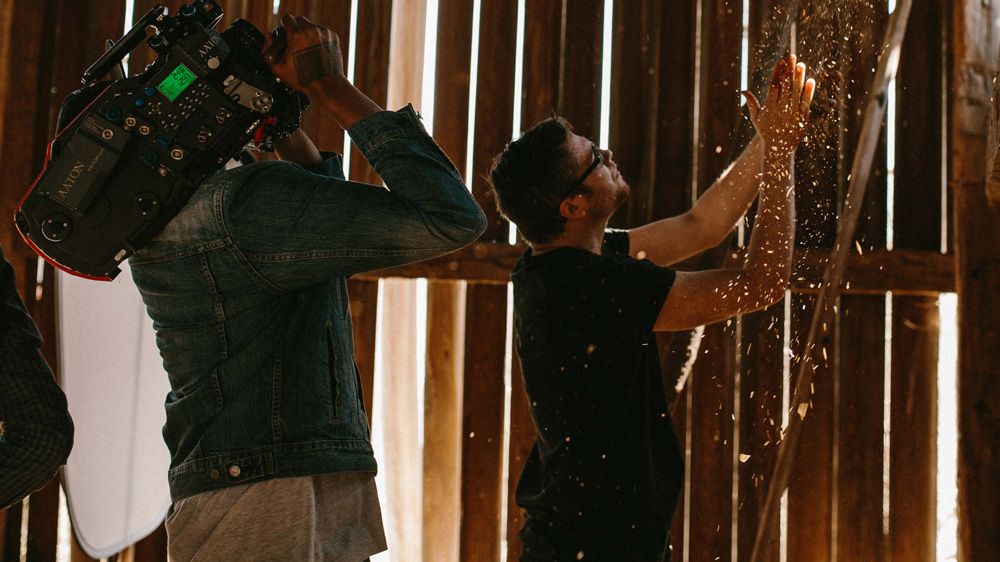
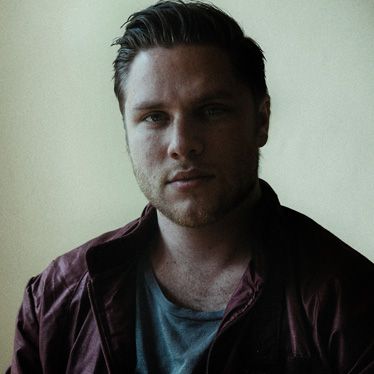
“My little brother didn’t come into the picture until I was 8 years old, so I was a very inventive and imaginative kid, always trying to entertain myself. I was never bored. I was constantly drawing or creating something. We have long cold winters in Indiana so there were long stretches where all I did was draw. When I wasn’t outside with my Dad, I was inside making something. There are closets full of stuff to this day at my parent’s house. We didn’t get a ton of channels on the TV living where we did so the best day of the week was when my parents would randomly stop at the video store.”
“My father also works for our county highway department as a mechanic during the day. He gets off work and goes straight to work every single day. His entrepreneurial spirit is how he took an original 500 acres that was passed down to him to work and built that to just over 800 acres my family works today. It’s by no means a massive operation compared to others but it’s something to take pride in. It’s not an easy life but an honorable one. My mom, works in invoicing at the towns largest factory. She has worked there all my life. When she’s not there she is helping out at our small church, or helping run things to my dad in the field.”
“As I grew older I picked up a paintbrush and focused all of my attention toward the canvas. All through high school that was my thing. I paid for part of my college by doing commissioned paintings. I was also always in a band by the time I was a teen. No one ever taught me any traditional techniques for these things though, my parents never had money for that kind of thing. I would just consume myself with whatever I was into, until I was good enough to pull off what was in my head. So I guess by the time I was old enough to decide what I wanted to be, I had been training my brain for executing visuals and creating music.”
“I was always creative, from a toddler on, I was always making something. As I got older and my work began to stand out among my peers, Mom and Dad knew that my heart was being pulled into the creative industry. It absolutely was not an easy thing to watch me leave my families tradition behind, but they have been nothing but supportive.”
“I never thought I’d become a filmmaker, but it was an organic and seamless transition. I also came from a place of economic struggle, noting extreme, but enough to understand that no one hands you anything, you have to work for it. It gave me a depth that I instil in my work every single day. My parents recognized early that my creativity was what drove me. Even though I was the first born and next in line to take over the farm from my father, they released me into the wild to pursue what I wanted. I’ll forever be grateful to them for that. I don’t take the decision lightly, and to this day I make sure that the choice was worth it.”
“I went to Southwood High School in Wabash. It was one of the three small high schools in the town, about 900 students in each. After high school I went to Herron School of Art and Design in Indianapolis. I ended up in the Visual Communications program. It was a tough and competitive major that demanded that you expand your way of thinking and problem solve. I went in thinking, shoot I already know how to paint, I’ll learn how to be a designer and maybe make some money. They didn’t teach making techniques or software hardly at all, that was all up to us. They focused on divergent thinking, not settling for the obvious first conclusion, but searching for the “right” solution. It definitely contributed to me being a film director, as half the job is decision making and problem solving. My curiosity as to the making side flourished outside of class though. My entire portfolio that got me my first job and job offers on Madison Ave were all personal projects that had nothing to do with school. I always felt the need to feed my own appetite creatively. I think it is important to assign yourself projects that are authentic to what you want. Those projects tend to have more of a heartbeat.”
“I started a company with one of my best friends crafting leather goods. I was in charge of creating the image and branding for the company, to us it was all about creating a lifestyle and heritage that our products represented. This was around on the onset of Vimeo. We felt like we wanted to have a film element, but we fronted our whole bank accounts on getting the company started, so instead of hiring out a commercial firm, I bought a camera and a lens. I taught myself the craft and worked until the piece felt like it was at the right level. When I’d grow frustrated with the visual side I’d flip the switch to either composing the music, or writing the treatment. I never took a break, just switched roles. That was the seed to my filmmaking career.”
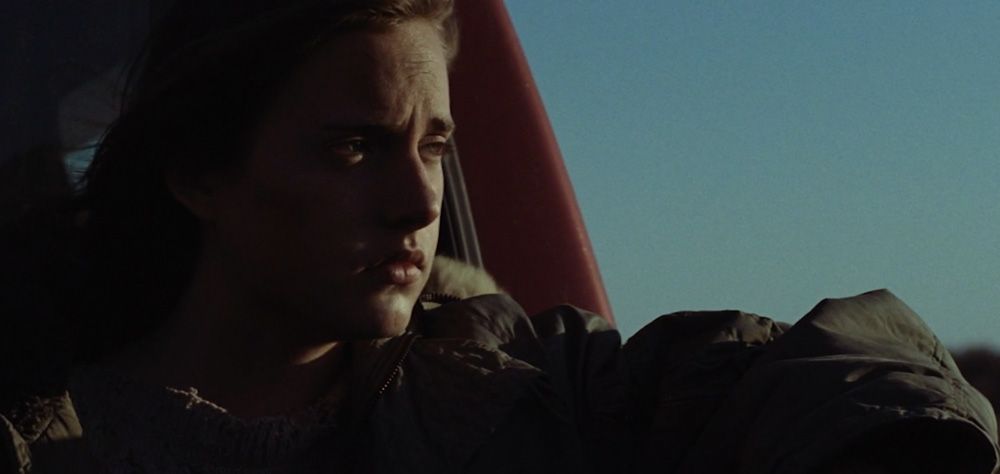
“I worked at a design firm for a few years after doing both print and video work, but that ended up feeling like I was wasting the generosity of my parents’ life of sweat and tears. I was always pulling long hours at the office after everyone had left, composing music, or putting together small narrative work. Before long that narrative work took over as my “job” as far as my brain was concerned. I linked up with my friends, Kassim and Brenton, who were the only filmmakers in town that I knew and we started self funding and shooting each other’s projects. Before long we were a company. 5AM Films. Once I was immersed in narrative filmmaking, it completely eclipsed the commercial work that I had been doing for so long. It had the depth that I had craved.”
“After making a few short films, I gained some traction in the filmmaking community. I had some articles written about me and my work and my network continued to grow. As I’m trying to focus completely on narrative content, that has drawn me more into the business side of things as I try and get larger projects off the ground. I think the key has been over committing and taking risks, and then delivering on those promises. In the end it’s all about what you put on screen though. It must have substance or it gets lost in the ocean of content.”
“My first paying project was literally me filming for a week at a time at a summer camp. I’d shoot during the day, edit at night and sell the DVDs to the kids and parents as they were picked up on the last day. I took the job without knowing the gear or the editing software, this was in the DV tape days! So I basically put my self in a position where I had to learn on the fly and try not to expose the fact that I was doing just that. It was an effective education I have to say. I did this for five weeks in a row and I only got paid if the DVDs sold after we’d screen it for the kids and parents. It was a microcosm of the film industry.”
“It’s important to remember that filmmaking is a collaborative medium. You are only as strong as the people you surround yourself with. I’m thankful to Kassim Norris and Brenton Ochsle, for being there from the beginning, and Shepherd Ahlers for helping produce. I think when everyone is running in the same direction, and it’s driven from the heart, it's a powerful thing in this medium.”
“As far as influences, I always will return to the work of a handful of storytellers, Paul Thomas Anderson, Martin Scorsese, Sam Sheppard, Alejandro Inarritu, Christopher Nolan, Derek Cianfrance, and Andrew Dominik, among others. Each of them creates fully fleshed out worlds in their work that feel like you are completely transported into. They then fill those worlds with characters that feel like they are plucked from real life, so rich and vibrant with authenticity and vulnerability. I’m all about putting portraits of America on screen, whether that be a pretty picture or not. These filmmakers have all done this brilliantly and I study, their work all the time.”
“I just finished a year of writing and revising a feature length script, so now I’m pitching the project all over and seeing what we can get off the ground as far as financing. In the meantime I do freelance work, rather that be personal or through 5AM Films, and I license my music on Music bed to pay the bills. My wife Natalie graciously fills the gaps in our finances when we come up short. I stay pretty busy, making sure that everything with the feature is headed in the right direction, and making sure all of my freelance work is taken care of. If I ever find myself without something on my plate for the day, I write music. It’s a never-ending cycle of writing and hustling, the good kind though. If your work is what you love, then it’s not really work.”
“I always feel a little guilty know that my family still works those 800 acres of corn and soybeans, while I’m out here chasing a dream. They work twice as hard since I’m not there. That will forever be a driving force that keeps me striving and giving my absolute best.”