Sean Kirby
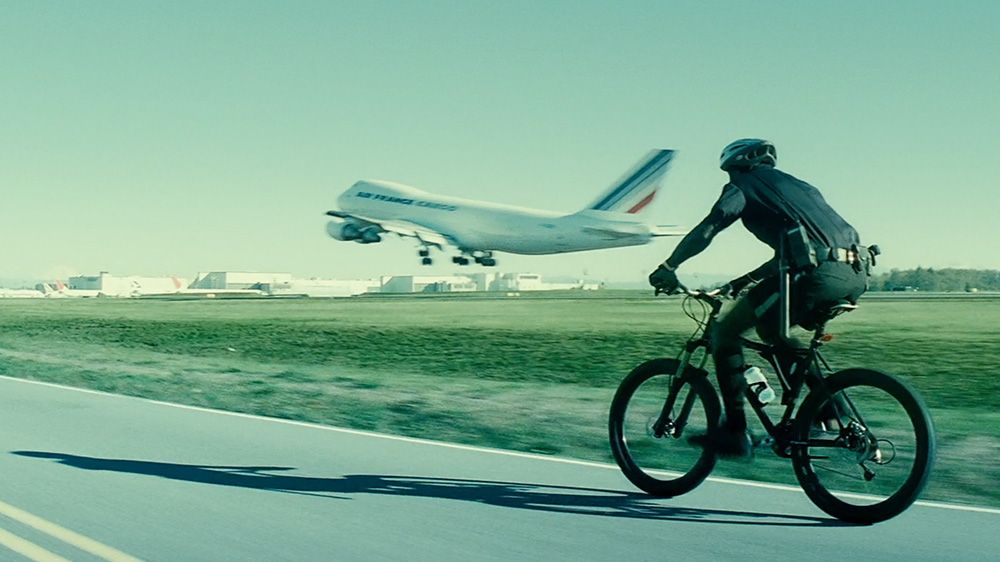
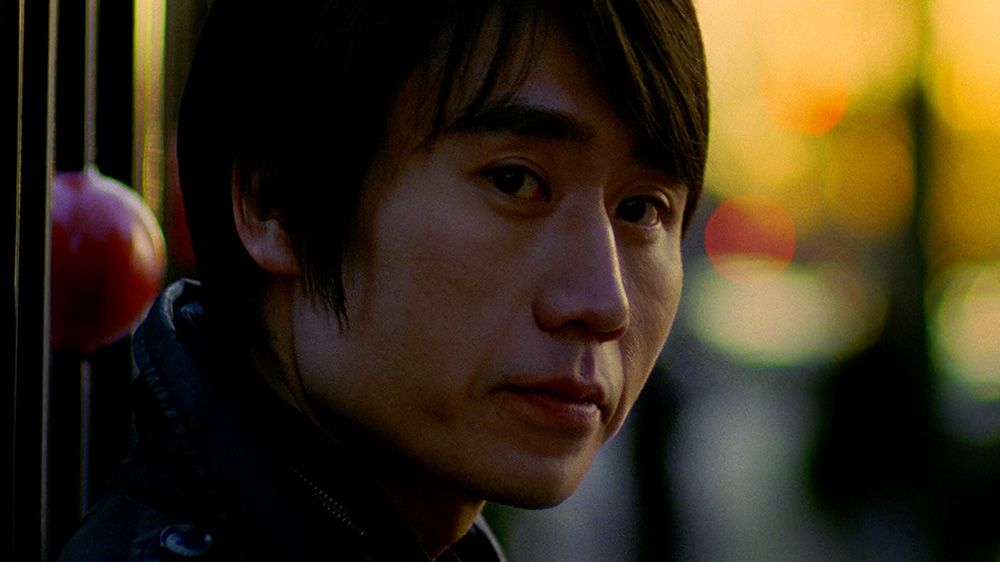
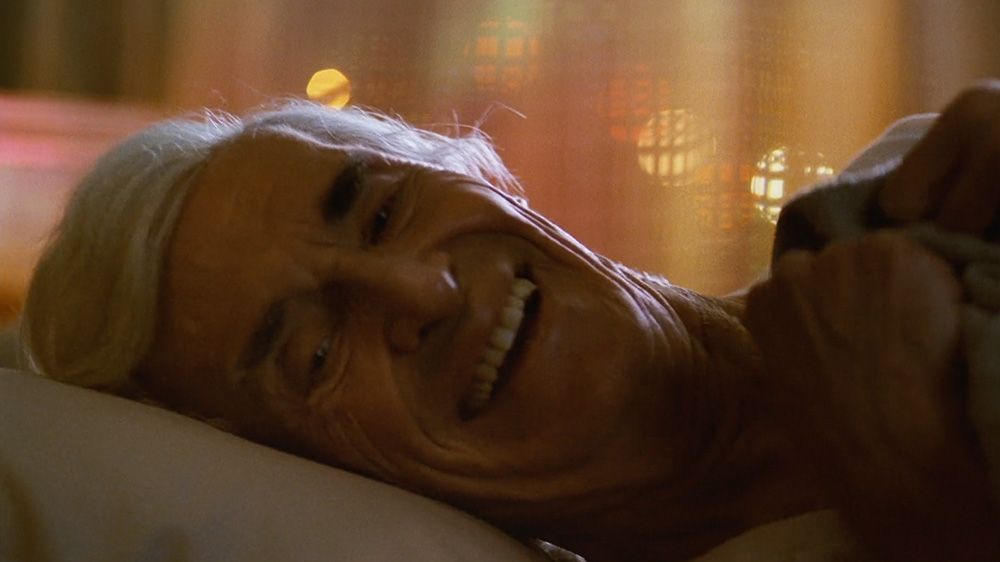
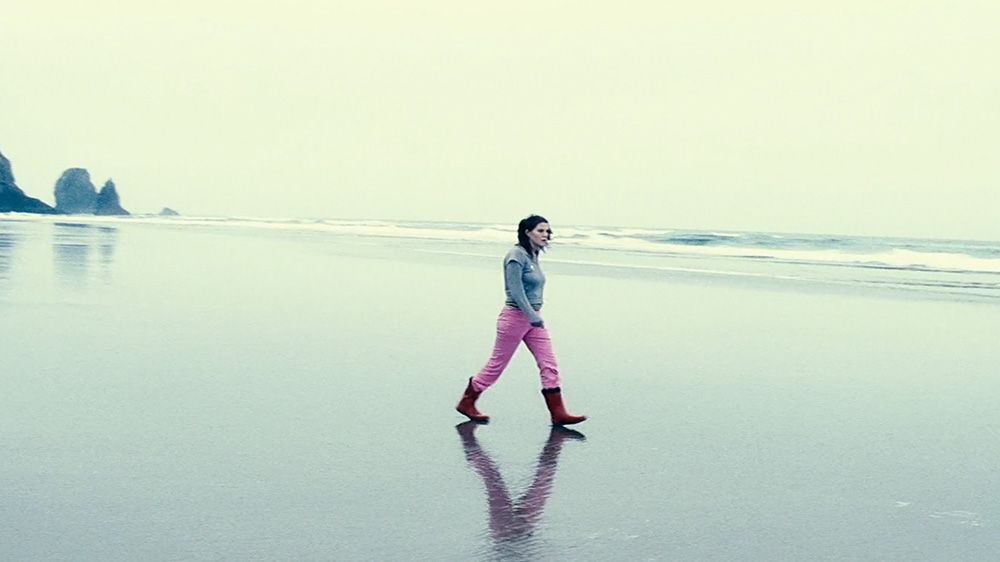
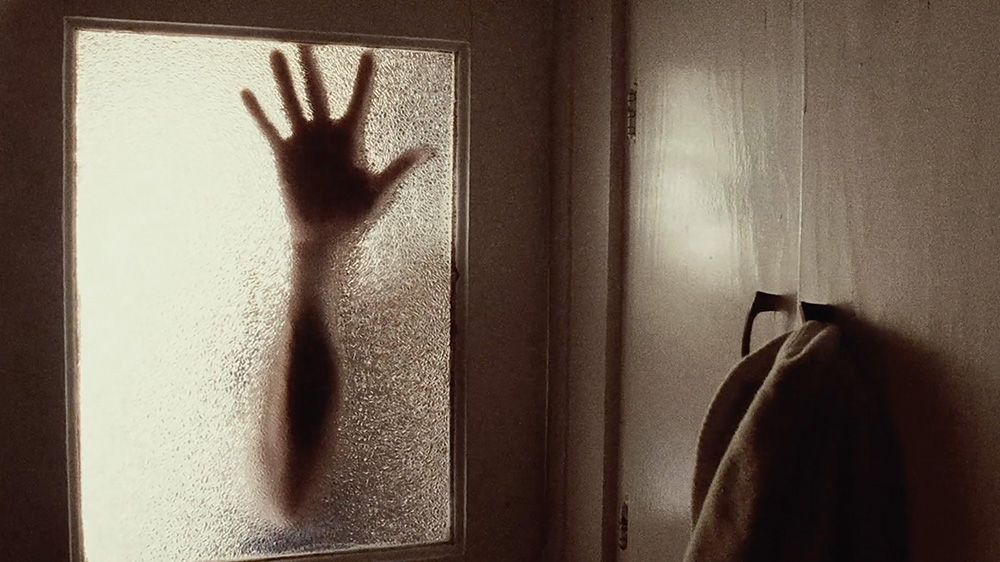
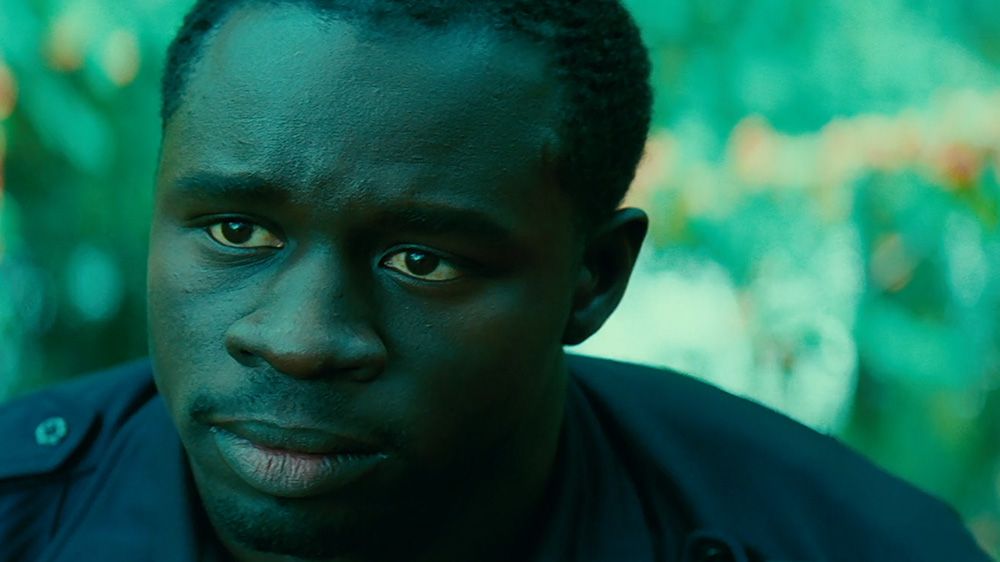
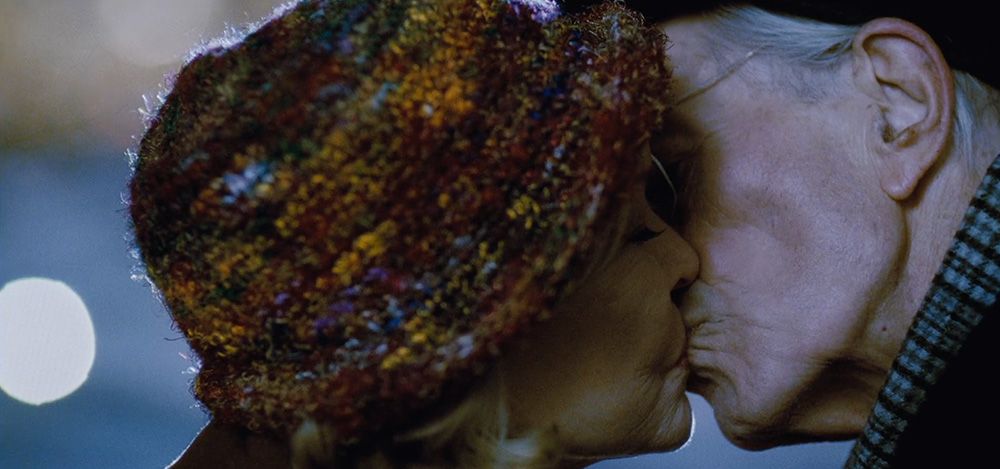
"So when it came time to go to college, I went off to study engineering. After the first year, I knew it was never going to be for me. At the end of that year, I decided to drop-out, because what I wanted to be was an artist."
"No one in my family has even been in the arts. My father was an accountant and perhaps the least most creative person I knew, until he shared with me his dream of becoming a novelist! It turns out that after he married and had kids, his dream just faded and finally vanished. That thought has always stuck with me."
"After I dropped-out of engineering, I worked for months in my parent’s basement working on a portfolio. I had never had any formal training at this stage, and was utterly amazed when I was accepted into art school. I finally settled on Syracuse University, because they had a study abroad program in Europe. For me, it was Florence where I lived for a year studying under a European painter."
"After studying painting and sculpture for all of those years, I became consumed by the ideals of fine art. I became obsessed with the intellectual mindset of what is ‘pure art’. Although, I also studied photography at college, my attitudes towards my art prevented me from exploring and enjoying it."
"After I graduated as a painter, I did a lot of bare minimum paying jobs at an art store and a screen printer, while working out of a studio space whenever I could. I did this for the first five years, until my work finally got some recognition. It came slowly, but after awhile I started to get some showings in a number of the smaller galleries."
"The more showings I did, the more I heard the same thing about my work. I couldn’t see it at first, but everyone seemed to comment on the cinematic quality of my paintings. This may have been subconsciously true, but it certainly wasn’t something I was trying to do."
"At the time, I wasn’t really interested in cinema, so I was unsure of what these comments were meant to mean. And so, I started to see films by some of the great directors, like Tarkovsky, Kieslowski and Bresson. I realised then, that you could create art in a cinematic way. I just loved filmmaking where the director could hold that fine line between art and entertainment."
"I became totally addicted to films that carried an exceptional narrative, but the images were also art in their own right. In fact, some of those directors were capable of creating images in film, that hold up to any great photograph or painting."
"After seven years working as a fine art painter, I had found something that interested me even more. This idea that cinematography can be art, flipped a switch for me. One that would take me from thinking about a single 2D image as my narrative, to a sequence of images as my story."
"When you see how a sequence of images can be combined with your own artistic, emotional and narratives vales - well, there is no turning back! And that’s what took me from a career in fine art to filmmaking."
"Going from shooting artistic photographs at art college to shooting 24fps is a huge leap. And one that I needed to learn from the ground up; so I got a job in a small lighting and grip rental company. I knew about photographic composition from my training at art college, and my earlier engineering studies helped me to fully understand the technical side of things as well. But what I really wanted to know, was how a film could become art. To do that, I needed to learn from as many directors and DPs as I could."
"I found that being in the electrical department, meant that I could spend my time watching the sort of decisions that the directors and DPs made onset every day. The goal for me was to shoot, and that meant learning the lighting process and how the director goes about telling their story with images."
"My first big break came on an independent film, where the director had suddenly fired the DP. The director then turned to me to see if I was up to shooting his film, I was the gaffer on the film. I had worked so hard to learn everything that I could, that I honestly felt able to shoot this film as well as anyone could. This film won numerous awards, which helped to establish me as a DP in my own right."
"Eleven years after graduating as a fine arts painter, I had now become a cinematographer! That’s the thing about being an artist, you’re recreating yourself all the time. The greatest asset you have as a creative person, is believing you can do something that is different and new to you."
"A year after my first film, I found myself working on Rob Devor’s award winning film, ‘Police Beat’. This was an experimental film that for me, rode that line between art and entertainment. It was so well received critically. It was accepted at Sundance and has since been admitted into the permanent collection of film at MoMA."
"‘Police Beat’ was the sort of film that drew me away from painting and deeper into filmmaking. Getting so many great reviews on this film, was a huge boost to my confidence and inspired me to go on and do better."
"I stuck with independent films until 2009, when the film market really fell apart. The amount of money being spent of films dropped dramatically, which affected their quality and artistic direction in general. I have always been super selective in what I want to shoot, because the artistic values are everything to me."
"So here was this long list of scripts, that were just telling that same stories that had been told before. At the same time, documentaries were making a resurgence and audiences had found a new interested in really good story-telling."
"There was a creativity to documentaries that was very new to me. It felt like ‘true-story-telling’ in a way that the narratives at this time didn’t seem to be. The first thing I learned with documentaries, is finding your voice and being able to say when something is not worth shooting."
"After you have shot a few documentaries, you realize that some things are shot simply because you have to. Good docs-directors are always making critical decisions about what goes on camera, and it’s up to the DP to do the same."
"With a documentary, you run the risk of finding yourself in visually mundane circumstances and the challenge is to make those circumstances cinematic. You always want to give the director and their editor, scenes that are visually interesting. So everything you shoot has to be considered as a scene that conveys emotion - and not just as a piece of footage to be edited later."
"Whether it’s a narrative film or a documentary, it’s all about the pleasure I get from shooting the story. As a DP, you are always looking for a director that inspires you with their idea and thematic approach. Whatever it is, it’s all about discussing the boundaries of the director’s vision and then having the freedom to run with it."
"Whether you are working with an experienced director or a first-time director, it’s about collaboration. I came from a background as a painter where you are just one person in a room with their canvas. With filmmaking, the whole process is all about creative people collaborating together. When everyone is working to achieve the same creative vision, it’s an amazing experience."
"One of the best experiences at this level of creativity was working on Rob Devor’s film ‘Zoo’. While making “Zoo”, I often joked with Rob that the film could be the worst film ever, or something really damn interesting! Rob interpreted the story in his own way and just ran with it. We experimented every day. The whole idea of taking big risks creatively, always appeals to me."
"Another of my favorites was a little indie film called ’30’ directed by Phillip Gelatt. Although this was a tiny film in terms of budget, it had a great script and really good circumstance around it. In the end, this film turned out to be twenty-five days of sheer bliss."
"These days, when I look at a script, I look for something I haven’t seen or done before. But what I love most, is where you can’t decide if the film is cinema or art. My passion, is really for making films that ride the line between both."