Scott Stacy
“My father was a real estate executive in La Jolla and in the San Francisco Bay Area. My dad was a highly ethical man and quite a diplomat in his industry. He, however, did not have a clue about how to raise a son who was interested in the arts, but did not get in the way of my pursuits. For this, I am grateful. My mother was a stay at home mom who had an artistic aesthetic. She was quite the seamstress and I suppose I inherited some of her sensibilities. I spent a lot of time by myself or with friends, as my parents were pretty preoccupied most of the time. This was not such a bad thing, as it motivated me to be independent and to eventually rely on, and trust, my curiosities and creativity.”
“After moving from La Jolla to Los Altos the early 1970s, I did not fit in and this resulted in feeling rather awkward in my new situation. This led to being picked on a lot – what we would call being bullied today. It was horrifying. I recall dreading going to school and, in fact, took six months away from school; studied alone; and played my guitar. This was the beginning of nurturing creativity and introversion. By 8th and 9th grade, I started to come out of hiding and traded in my passion for guitar for photography. As a part of coming out of my shell, my best friend Patty Jobs became my first girlfriend. As an interesting side note, it just so happened that Patty’s older brother was a guy name Steve – Steve Jobs. So, I spent a lot of time over at Patty’s house. This was 4-5 years before the very first Apple Computer. I recall us taking Steve’s blackbox out of his room and calling foreign countries with Patty “toll free” just to hear other languages. Steve was kind of a scary, skinny dude and was not appreciative of our forays into his room. Thus, things would sometimes get dicey.”
“A photography and biology teacher at Homestead High took me under his wing. At age 15, I won first prize in a citywide photo contest. I put my winnings toward building a darkroom. I experienced photography and developing my own film and printing my work as magical. I eventually became an assistant to my teacher who was also a fashion photographer and spent just about every other weekend shooting either models or weddings. My first professional camera was an Olympus OM-1. By the time I was 18, I had a Hasselblad and was shooting wannabe fashion models, weddings, and headshots.”
“My interests and creative hunger moved back to music at around age 19. I was lucky to get a job cleaning toilets, vacuuming, and setting up mics at Ayer Studio. After six months, I became a first assist and a year later one of two chief engineers. In the 1980s, I worked as a freelance audio engineer recording music for film and various rock bands. In 1984, I moved to West Hollywood. In Hollywood, I worked as a freelance recording engineer and mixer; I worked on a lot of films with great people; built a couple of studios; and worked a day job at Mix Magic – an audio-video postproduction facility in Hollywood down on Fairfax.”
“After growing tired of Hollywood at age 28, I went back to school and became a clinical and forensic psychologist after eight years of grueling academic and clinical work. I acquired my doctorate in clinical psychology from the California School of Professional Psychology. After this degree, I was awarded a Fellowship at the Karl Menninger School of Psychiatry and Mental Health Sciences. This brought me to the Kansas City area where I still practice in the field of physician health.”
“In 2001, I circled back and rediscovered my love for photography and then eventually started DPing in the Canon 5D days. It was a wild time putting Zeiss CP.2 lenses on a DSLR; Matt Duclos was putting gears on still lenses; my friend Illya Friedman was modifying 5Ds to work with PL lenses; I would mess with the Canon color profile to try and generate a “rawish” image; and would plaster professional cinematography gear onto DSLRs, which resulted in creating these rather hybrid monsters. Around this same time, I learned how to become a Steadicam Operator and was shooting mostly music videos and some documentaries. Working with the limited dynamic range of 5Ds, taught me how to light, use negative fill, and watch out for weird colorcasts. Due to the limitation of the medium, you would have to be real careful when shooting. Otherwise, when you would get into grading, you would have a very difficult time getting an image to look nice.”
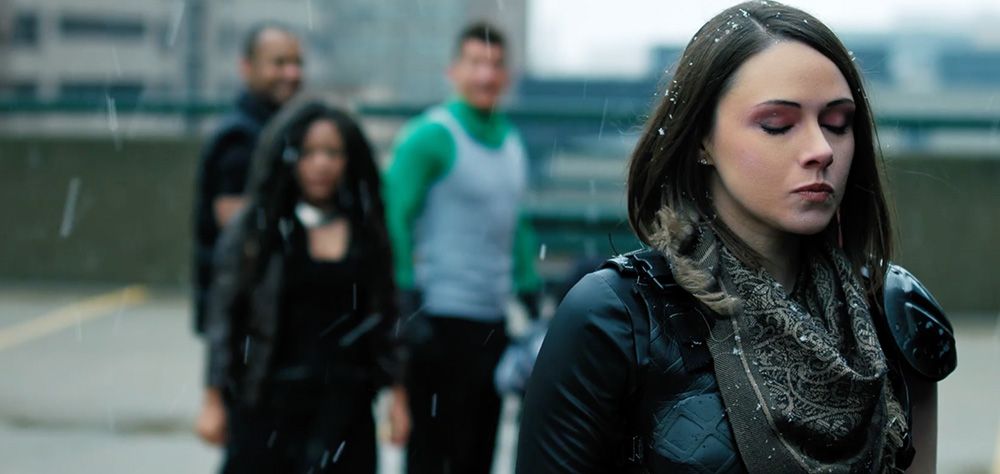
“During this time, I found that I loved the post process - particularly color grading, but continued to shoot and buy higher end cameras and glass. However, having a full-time psychology practice, along with doing DP and post-production work became a tiring juggling act. My wife, Cara, a film editor, began telling me after we met that I had a knack for color. Some color freelance opportunities came my way through her and I started doing color professionally. She has been huge support of my color work. I could not imagine a more supportive or creative life partner.”
“Over the past five years, I have moved more towards color grading and less shooting. I, however, still love shooting and have an awesome camera rig and a lot of gadgets and gear. I helped Blackmagic Design beta test the brilliant Ursa 4.0 UI, which pushed that camera, along with the 4.6k color science, into a whole new league. For now, though, I presently focus my time on grading.”
“I am entirely self-taught other than the brilliant tutorials that Alexis van Hurkman, the folks at MixingLight, and others have produced. Having an early professional photography background; knowing how to work with film; and using the Zone system for years has served as a great backdrop to my work as a colorist. The process of becoming a colorist, however, due to never working in a posthouse with onsite mentors, has come from: 1) reading everything I can about color science; 2) monitoring everything on Lift, Gamma, Gain and asking “dumb” questions; 3) studying the work of other colorists; and 4) making a multitude of mistakes and having to pull a rabbit out of my hat by 3:00am so I could go to work by 8:30am and then render out a final product by 5:30pm after spending a day at the office.”
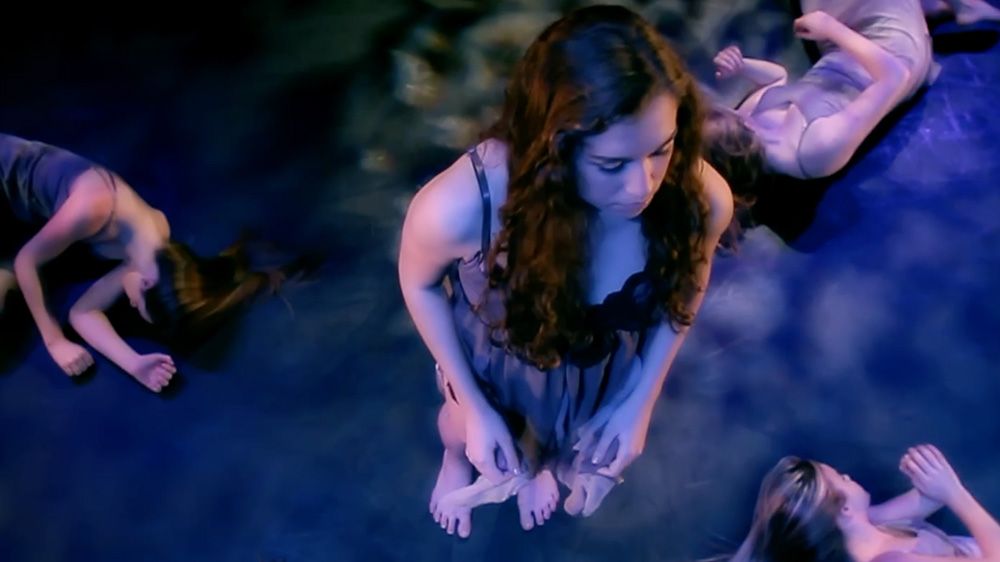
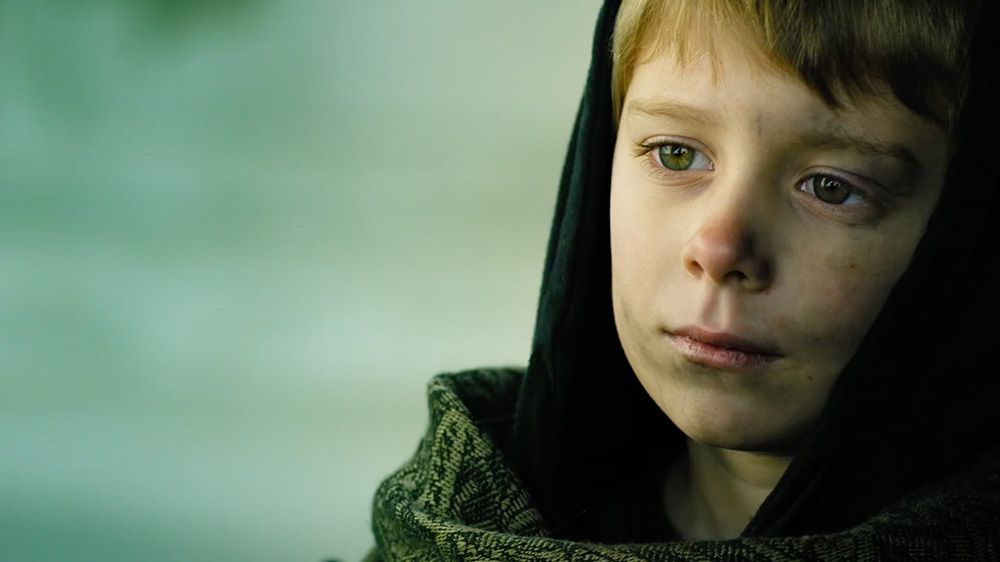
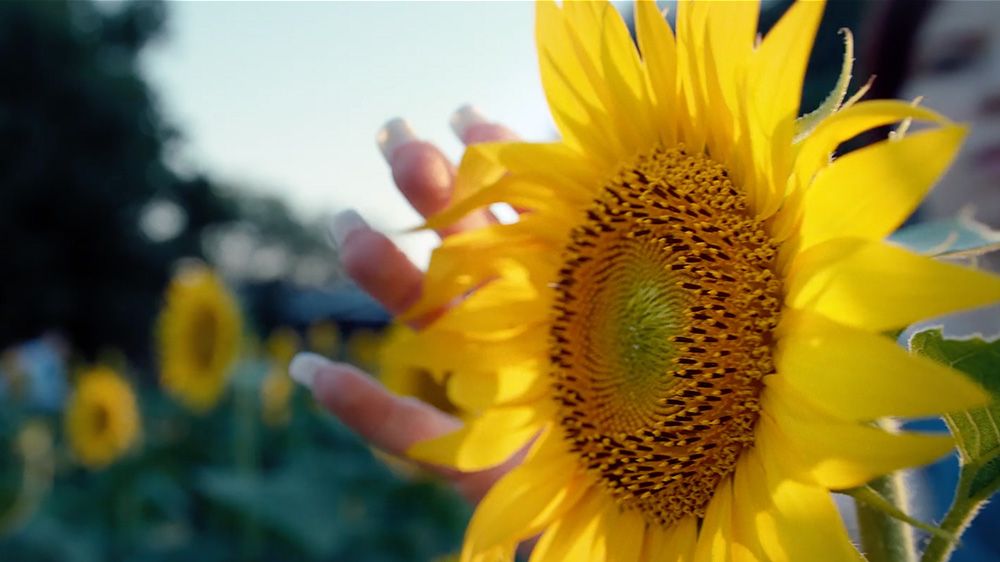
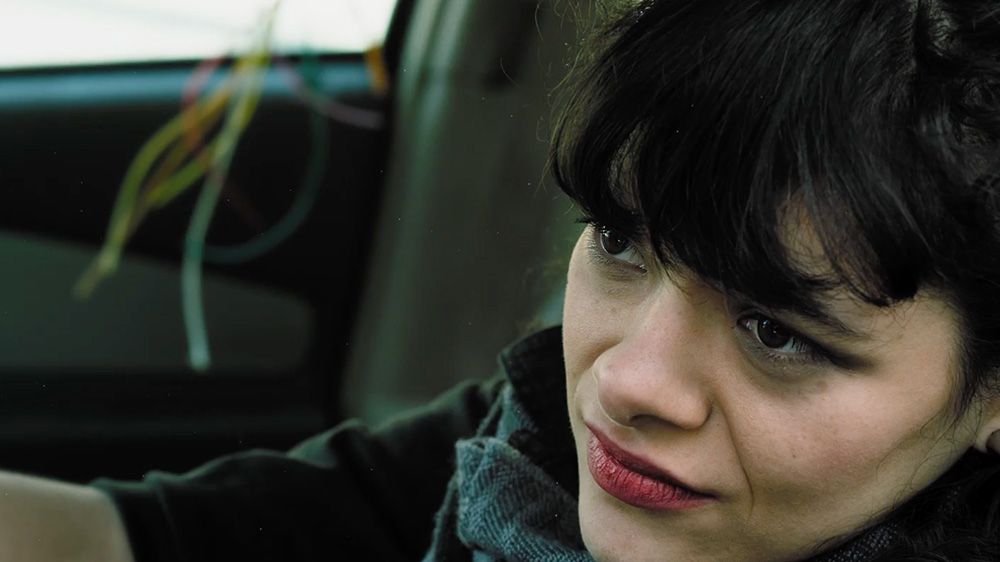
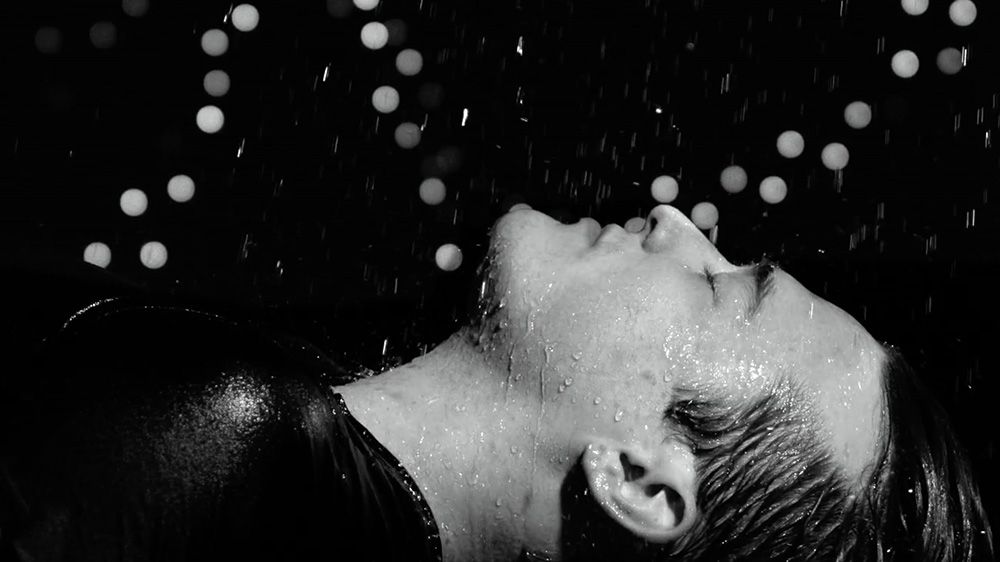
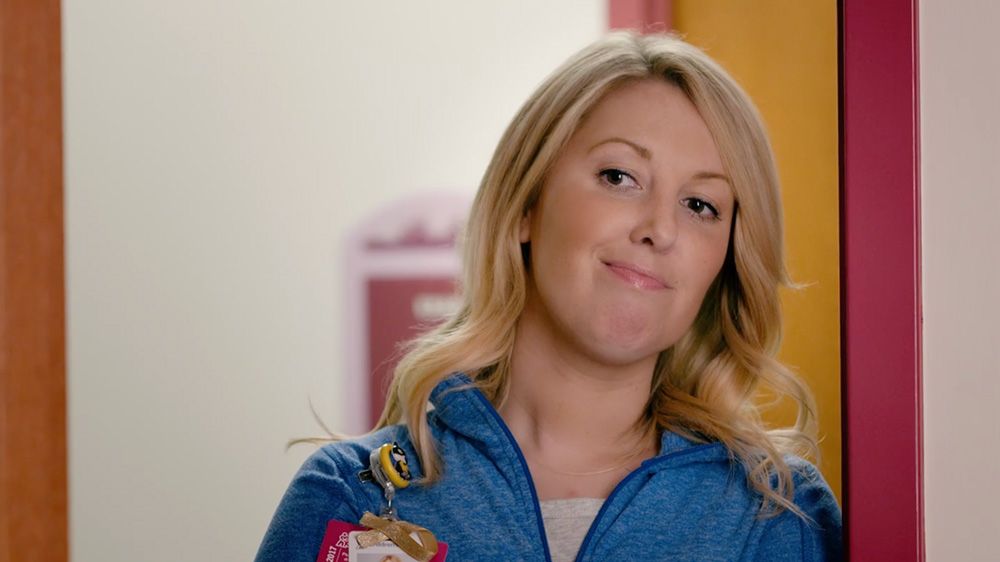
“I love the process of taking a lovely flat piece of footage and transforming it into something that not only brings the DPs vision to life but also adds additional depth, value, and beauty to a story. More often than not, the collaboration process is exciting and it’s trilling to watch the editor, director, and DP get excited about seeing color pulled out of their creation and including them in the process of seeing how the intersection of science and creative purpose manifest what was in their minds-eye.”
“Regarding my influences, cinematographers, set designers, the props master, and costume designer’s rank very high because that’s where color starts. If these elements of a production are not in alignment, no matter the scale, then the end product will not gel. I have a number of colorist buddies in locations like, LA, Estonia and Germany who I hold in very high regard. These guys are my long distance friends and mentors. Their work always blows me away and they provide helpful feedback. Regarding cinematographers, I like Bradford Young, John Alcott, Adam Suschitzky, and Don Burgess’ work among many others. I should mention John Brawley who I have had the opportunity to hang out with on set and see him work. Even before this, he had a positive influence on me. He’s very generous to the young professional film community and the way he works on set is inspirational because you can tell that everyone likes him. He also knows his stuff and is a humble, creative force.”
“For a number of years, I worked as a colorist behind the scenes without much fan fair. Although, I’ve had a formal professional color suite for years, I opened the doors to a formal corporate entity, Heliopause Pictures last year. In January 2017, I was admitted into Colorist Society International – a professional society representing motion picture and television colorists.”
“I want to continue to focus on grading short films, trailers, commercial work, and select documentaries. I am not too interested in grading features unless one comes along that I really like. I still have about 3 more years to devote to my clinical practice, but have been scaling back to focus my time on color grading. I also hope to return to shooting, but only filming personal projects at this stage. I love working with color and believe that it is one of many important backbones of emotional storytelling. I hope to continue to work with like-minded people far into the future on challenging, creative projects that make me excited to do what I love to do.”