Sam Wickert
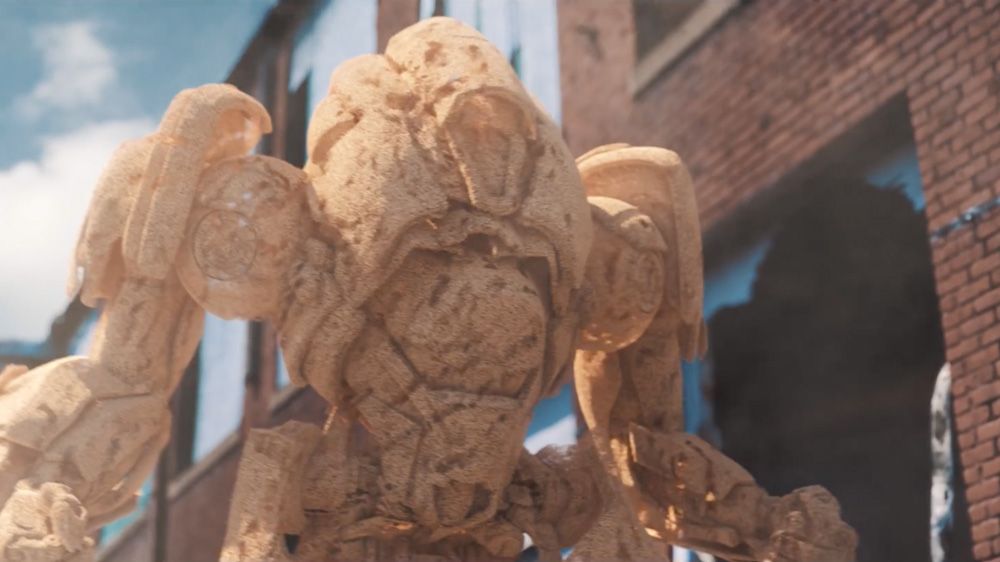
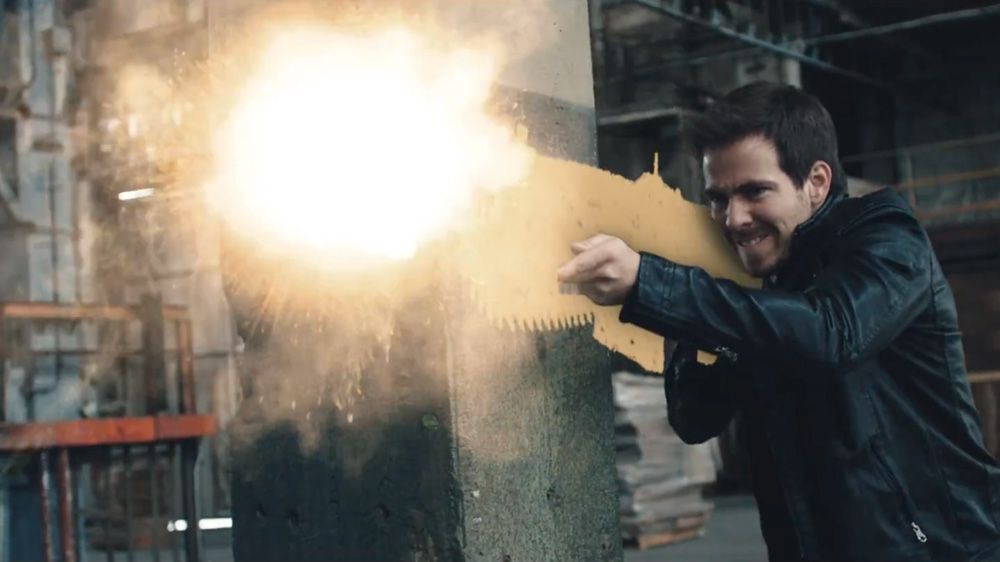
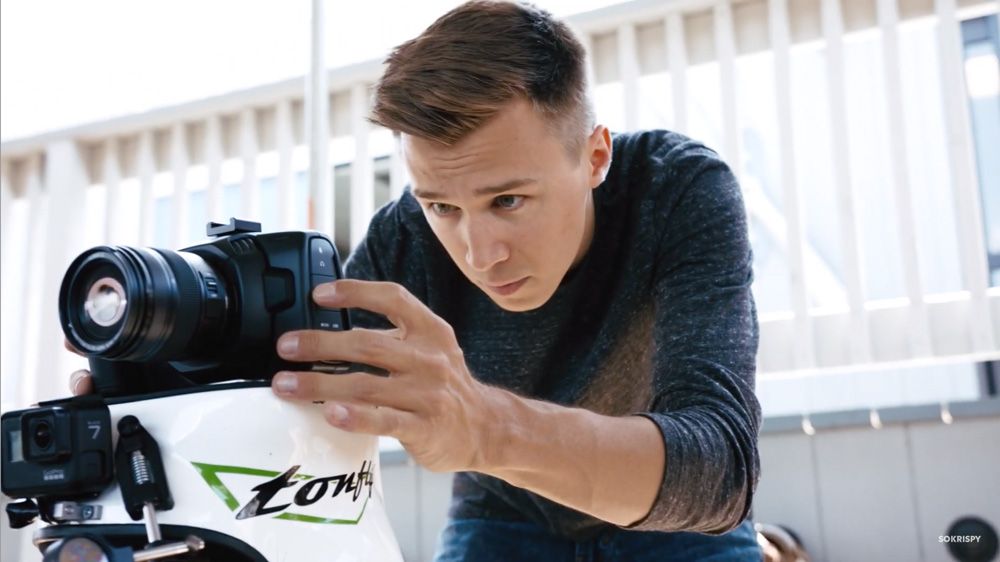
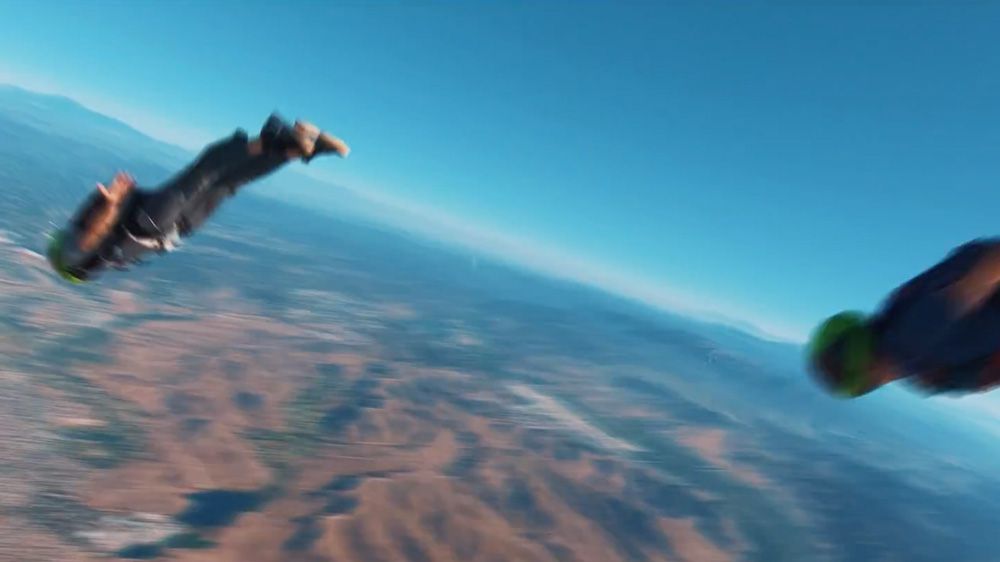
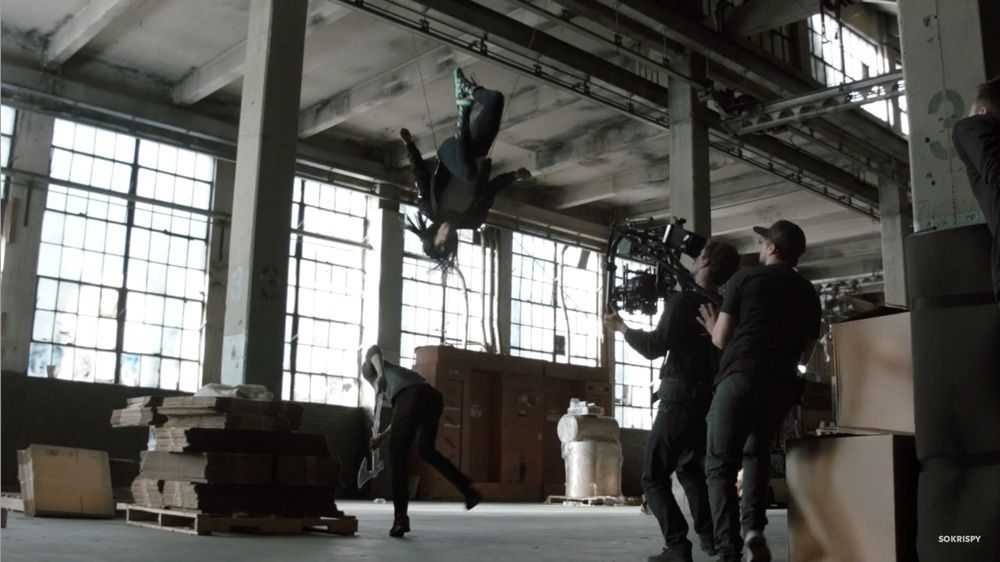
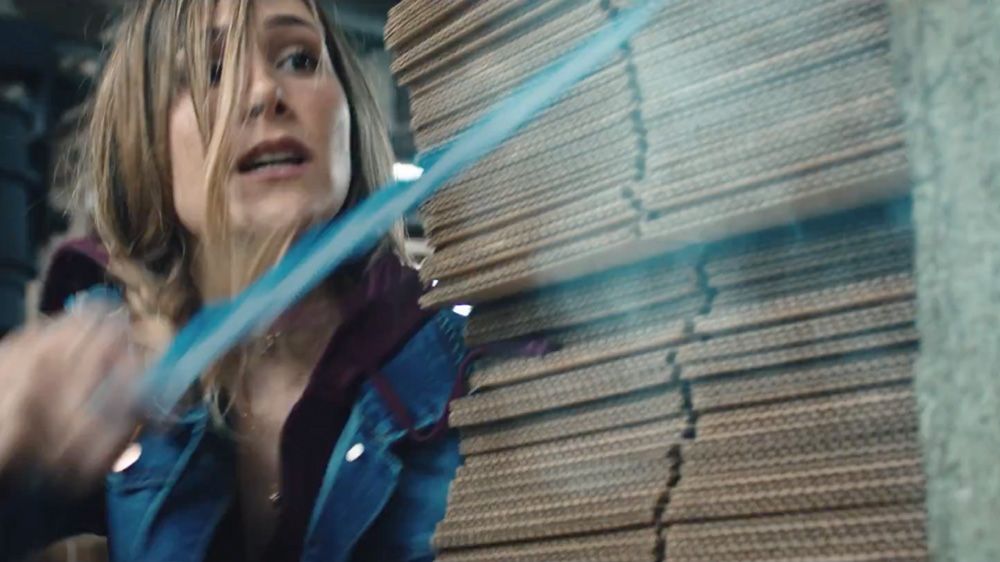
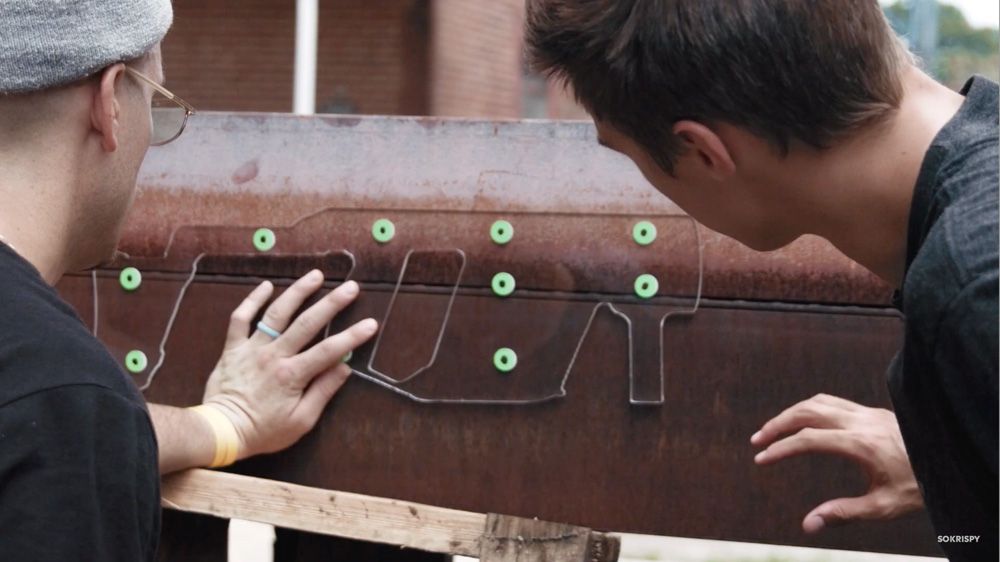
Filmmaker and influencer, Sam Wickert started his career as a director while he was still in high school. Sam and his buddy, Eric Leigh started their YouTube channel SOKRISPYMEDIA six years ago. Sam’s films include the ‘Chalk Warfare’ trilogy, which was seen by over 150 million people worldwide. ‘Zack King’s Day Off’ and a bunch of 360-degree virtual reality films, like ‘Internet Surfer’ and ‘Do Not Touch’. Sam talks about his never ending pursuit for perfection and creative freedom.
“I was born in Albany, New York, before moving as a family to Greenville, South Carolina. My father was an engineer with GE, and so we moved here because of his work. The first thing you notice about Greenville are all of the old nineteenth century cotton mills. I think there were twelve in total at one time!”
“Having all of these abandoned mills gave us so many unique locations to shoot our early videos. Obviously a lot of those mills are now being destroyed or gentrified, and being turned into artisan shops and breweries, which is interesting. For example Taylor’s Mill, is where I now go to have a beer with my buddies. But when I was younger, it was one of our favorites places to hang out and film our action videos.”
“Growing up without iPads and iPhones meant we spent a lot of our time outside on our bikes riding around the mills and exploring the local woods here in Greenville. And so, we knew a lot of places to film our early YouTube videos. Living in a place like this, meant we had a ton of freedom to explore the things we wanted to do in life, such as filmmaking.”
“My dad is very analytical being an engineer and mom is very creative, so I see a lot of myself in them both. The one thing they did expect of me, was to think critically. And so that allowed me to make my own decisions from a very early age; which fortunately were the sorts of decisions they hoped I would make! So both of my parents helped to foster my creativity as it began to develop.”
“I guess the big turning point for me, was when my dad gave me a computer for my room. When I discovered this thing had editing software, it ultimately became the tool that got me into filmmaking. At that time, my neighborhood friends were really into skateboarding. And so the first thing that I ever shot and edited was all skateboarding stuff. I remember I trimmed two clips together of my friends skateboarding and it felt like a sequence. I was just in awe of this thing after I put music in the background. Like that truly was the coolest thing ever to me, back then!”
“Nowadays, you can easily shoot a clip and edit it on your iPhone, or whatever. There is nothing particularly awesome about the process. But back then, this was something very difficult to do. Being able to create your own content was a huge thing. I eventually upgraded our software to Windows Movie Maker and then to Sony Vegas and Adobe. Nowadays we edit and color in Blackmagic’s DaVinci Resolve.”
“I didn’t realize at the time, but I was actually growing up alongside the content creation industry. YouTube had become a real thing in 2005, and I hadn't seen that many people making content then. Eventually, I realized that this was something I really wanted to explore and ultimately pursue as a career.”
“My best buddy from junior high, Eric Leigh and I, began making our own content and uploading it to our YouTube channel, SOKRISPYMEDIA. So from a very young age, all throughout our school years, all we wanted to create were videos for people to watch. Like skits, little shorts, comedic shorts and the sorts of things we were watching that were entertaining to us. We just enjoyed doing it. That was really all there was to it!”
“I have always felt the comedic approach is something people could jump to, pretty easily. There's just something inherent about being able to put your own comedy on screen. It’s a good thing that you can do it relatively cheap if you understand some of the tactics. And mostly, a lot of it's about framing.”
“In an effort to delight, I started getting more into the software side of things by trying to push our visual effects. That’s how I eventually stumbled on Andrew Kramer and his After Effects tutorials on Video Copilot. He was a really big influence of mine, helping me to learn effects in 3ds Max and a bunch of other programs. With all of this new found knowledge, I was now able to create the sort of content we really wanted to do. Ultimately, that brought Eric and myself to creating the first ‘Chalk Warfare’ which became a huge success for us.”
“When we came up with the idea for ‘Chalk Warfare’ I didn't think we could pull it off technically. It wasn’t until I was involved in tracking a fake gun on another project, that we released we could really do this particular idea. ‘Chalk Warfare 1’ just exploded. And so, we decided to just continue making them with ‘Chalk Warfare 2’ and ‘Chalk Warfare 3’. But it’s not like we stopped creating our other ideas and content through out those years.”
“Between ‘Chalk Warfare 1’ and Chalk Warfare 2’ we had a random video game app as well, so we were playing around with all sorts of ideas back then. By the time we did ‘Chalk Warfare 3’ Eric and I were graduating from high school and I was heading off to Chapman in California for university. It was 2016 at the time and I was starting to meet a lot of really cool people who were into virtual reality. VR was fast becoming the next huge thing then, with Facebook purchasing Oculus Rift. So I fast became super fascinated by this medium.”
“I thought to myself, here is a medium that could actually be monetized. And something we could probably get funding for to make some incredible experiences. As a director who was into visual effects, I had a distinct advantage in being able to think inside this space. At the time, I felt this gave us a huge advantage because we had a look to our work that leant itself to VR. We also had the advantage of being able to make great looking experiences cheaper, while still keeping our production values.”
“Because we have all of this understanding, we found ourselves creating all sorts of things in VR for a range of different clients. We made this one video about a guy getting sucked into his grandma's TV who travels through all of the TV channels. It was technically well done and people thought it was an awesome VR project.”
“The thing we found that was amazing, was people loved this type of content because they were alone inside their headset. They also wanted to watch something that's fun, so we found that comedy worked really well with this medium. Although I was studying at Chapman, we decided to take that project to the VR festival being held at USC; which we ended up winning!”
“And that’s how I met Gigi Pritzker from Madison Wells Media. This is a huge company that produces movies like ‘Ender's Game’ and a ton of immersive projects, like ‘Gnomes and Goblins’ by Jon Favreau. To our surprise, they became really interested in our stuff, which was just crazy!”
“One of their producers, Brandon Padveen just loved our channel surfer VR video, which we created as a mono-scope project. I then said we really wanted to do something new in stereoscopic VR. So Brandon got us all the necessary camera equipment for doing our ‘YouTube Surfer’ VR video where we get to go through a bunch of channels in the worlds’ of their creators. After we got some funding for the project, I was able to get some of my friends in California to come in on it to take it to the next level.”
“This soon became this really cool hit among the VR community. I understand it got passed around all of the VR engineers over at Google. And so they got in touch with us to do some virtual reality content for Google Daydream. When AMD saw what we were doing in VR, they also wanted to fund something with us. So we pitched them a Halloween Horror VR AMD event, where we strapped people into chairs with VR headsets and gave them the fright of their lives!”
“This was a really cool project where you were transported into a farmer's barn being tormented. It was a really fun experience tormenting everyone through VR. People were literally leaving the event and coming straight back to do it again and again. We had a line out the door wanting to be tormented! People were leaving frat parties to come to this thing, with a two hour wait to get in. So after the immediate success of the projects we did for Google Daydream and AMD, I then decided to drop out of college and direct full-time.”
“I remember my dad was fascinated seeing all the stuff that we were doing in VR. As an engineer himself, he was super into us doing the depth maps and being able to sample higher resolution images from multiple cameras. All of the tech that was involved in VR, allowed us to create a better visual connection for the viewer. Which was just so cool.”
“We did a ton of VR stuff back then and had a lot of fun doing some amazing things with it. VR is really hard to do, but we enjoyed doing it because of the challenge. But I do have to admit, all that work burns you up quite a bit. I still love watching all of those projects even today, because they are just so immersive.”
“But I still have this huge nostalgic and emotional draw to some of our quick and dirty projects too. Like our real life Snapchat filters videos that went viral. They were our fastest turnaround in both production and visual effects. Just two hours filming and 11 days of visual effects and they turned out to be one of our most successful videos, because it was really interesting.”
“I think that’s the biggest thing for us. We just want to make content we really enjoy. I have always liked working on my own time, so I'm better suited to a position where I can work on my core skills creating what I feel is the best thing I can make. My aim is to make 50% of what I want to do in terms of my own projects.”
“I don't mean that to sound like I am always working on my own. Because I'm very rarely on my own, especially nowadays. We have entire teams working on all of our projects now. It’s more that we want autonomy over the creative direction of things we do.”
“However, with your own projects there is always the perfectionist problem that can become a big issue for me. And that’s where working with a team is so good, because they can call it out when I should be done with it. For me, I am all about giving our projects the best possible chance of having somebody entertained.”