Patrick Woodard
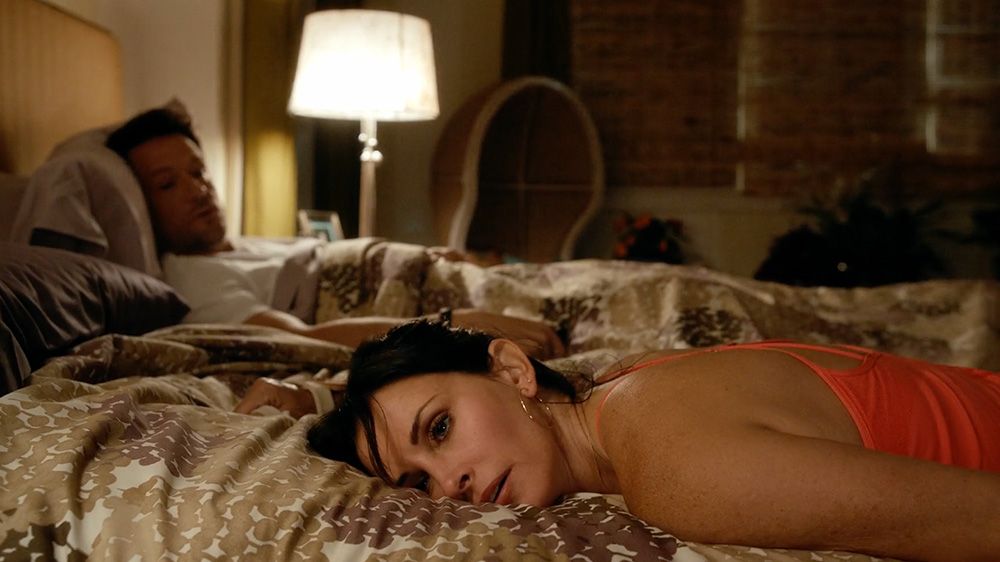
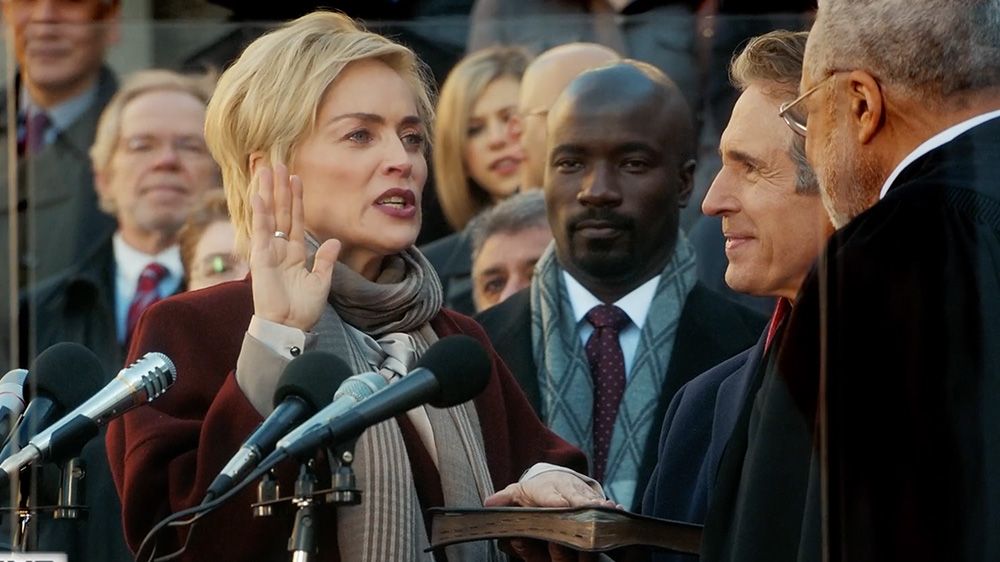
"The visualness of photography definitely sparked something in me, which then gave way to how I could make better images! I basically took over my dad’s Pentax K1000 as a kid, learning everything I could about manual photography. That meant you had to become very accomplished in exposures, aperture, depth of field and all of the color-science that goes into the dark arts of manual photography. It was an entirely different discipline back then."
"So when I went to college, I decided to study filmmaking and was hooked right away. I knew instantly that this was my true calling. I remember watching ‘The Graduate,’ and being inspired by the production quality and the scriptwriting. From that point on I decided to dedicate my life to this particular artform. After that, I declared film as my major, and just went for it!"
"I first started at the University of California at Santa Barbara, which had a very theoretical program. I then went onto the Brooks Institute, as I found that their program was more practical and production based. This really appealed to me given that I was thinking about editing as a career. I just loved the rhythmic aspect to editing and how something comes to be. So while I was studying photography at the Brooks Institute, I still managed to keep my main focus on editing, where everyone else was into photographic imagery. I just wanted to be involved in filmmaking in someway, and that’s why I was so fixated on becoming an editor."
"One of the things I am grateful for, was while I was at Santa Barbara, the head of the film department made all of us learn how to cut film. He wanted us to learn the craft in the proper way. It actually turned out to be a great benefit to me when I started working in those early days as we transitioned from film to digital."
"Towards the end, near my graduation, I was going all out trying to find companies where I could get a foot in the door. I was relentless with my approaches to Digital FilmTree, because they were taking on this new digital approach. I really felt that I had the skill-set to work in this environment, so after about 8-9 months of going back and forth with the guys, I got an opportunity to work on my first project with them."
"Because I had a solid photographic background, I was able to assist one of the colorist working there. And so I found that I was naturally led in this particular direction from editing on to color grading. When there was more work in the door than one colorist could handle, I sort of took on a more active role as a second colorist."
"I remember my first experience with a color-bay, because it looked so daunting. Being able to master the technology and all of the insights that go into grading, needed a huge amount of training just to understand the craft - let alone do anything with the system! Although it all seemed so complicated, I was hugely interested because it was the next step up from what I had learnt with photography. I really found that when my chance came to learn color grading, that my background in photography and color-science was of huge benefit."
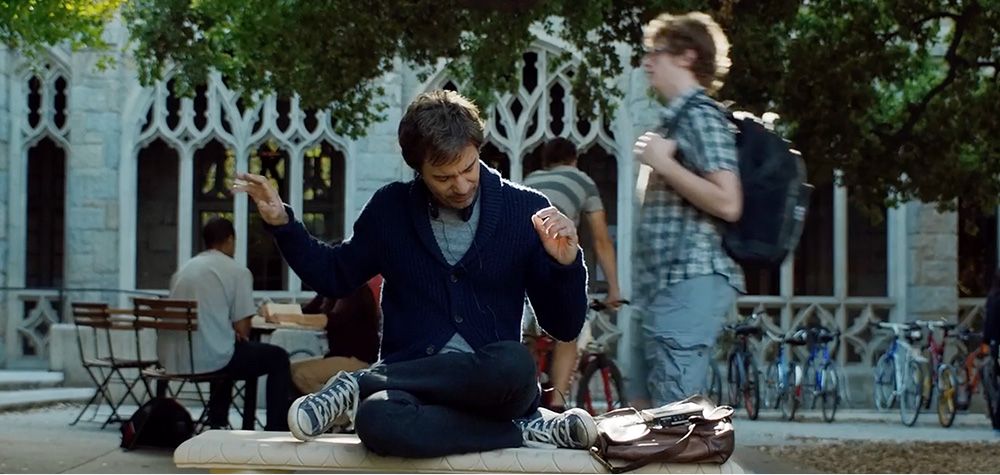
"When I first started out, film was still being used around Hollywood, so my first couple of years at Digital FilmTree was working on film projects. So working with photographic film and learning all about the visual characteristics of grain and the different stocks, definitely helped to give me a better sensitivity as a colorist. I work with a variety of DOPs, so having an understanding of the technical challenges certainly helps you to appreciate what they are going for. Because I also shoot, I sort of speak the same language so the conversations tended to happen more naturally."
"It was when we started to use Final Touch at Digital FilmTree that I went from doing online editing to now being involved in the whole online process including color grading. By the time, I was working on my first network show, ‘Everybody loves Chris’, I was pretty much looking after the entire grade using Apple Color. This was a big change over at this time, simply because there were so many transitional elements to the story."
"We were using a lot of wipes on that show and a linear color applications always seemed to fall short for us. The transition from the A-side to the B-side was never very good if you then went and colored it. However, with an NLE where we were touching the digital files, so coloring was never a big problem. So this project really became the way forward for us."
"The majority of the work I do is episodic television. And for the most part, I do a variety of hour long and half hour long episodes. I do commercials from time to time, music videos and a couple of features too, but the bulk of my work is definitely episodic TV. The challenge with this sort of work is taking a feature film principle and then trying to apply that to your work on a weekly basis!"
"On the production side they are always trying to push things given their time constraints, with only one to two weeks between shooting the different episodes. Sometimes you have very adventurous DOPs working on these shows, all wanting to work with the latest cameras. Traditionally, everything would be shot first and then handed to the colorist to fix. Nowadays, they do test these cameras, but they usually have only a day on location to do it. So the tests I get could be overcast or in shadow, simply because of the limited time."
"This is very much the case with the action shows I work on, where they need small cameras to capture these amazing action scenes. You have to know about all of these cameras and how they will behave in tough lighting conditions, so you have the ability in post to really stretch the footage and interweave it with the footage from the principle cameras. So my job is to make everything look like it was shot on the same camera!"
"Every six months there appears to be a new camera that changes everything, so I am always looking to learn from the DOPs and the camera vendors on what’s next. In the past it was all about getting the right film stock for the lighting environment. It now seems, with digital cameras, it’s all about the choice of lens. Because so many DPs are now hoarding so much older glass with all of these unique characteristics, it becomes even more critical for the colorist to be on top of these things and have a close relationship with their DPs."
"As a colorist working on episodic TV, it all comes down to having a real love and passion for cameras and lenses. I am still a photographer at heart, so my love for all of this has never changed. It’s just that my tools of the trade are now around color grading. What gives me so much gratification everyday, is sitting in the darkroom watching it all come to life. I find myself feeling the same enjoyment as I did as a kid, processing my own prints in the photography darkroom all of those years ago!"