Patrick Inhofer
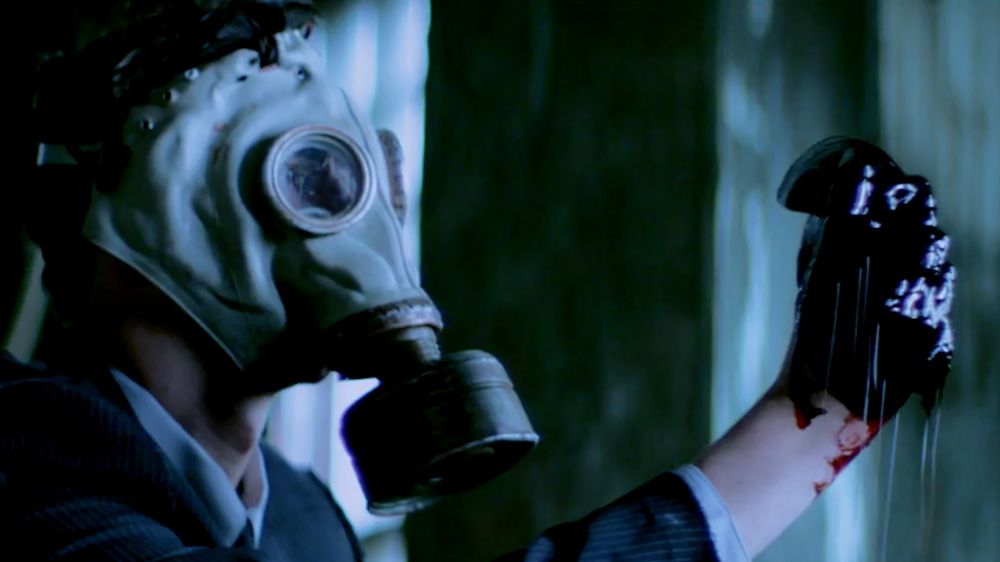
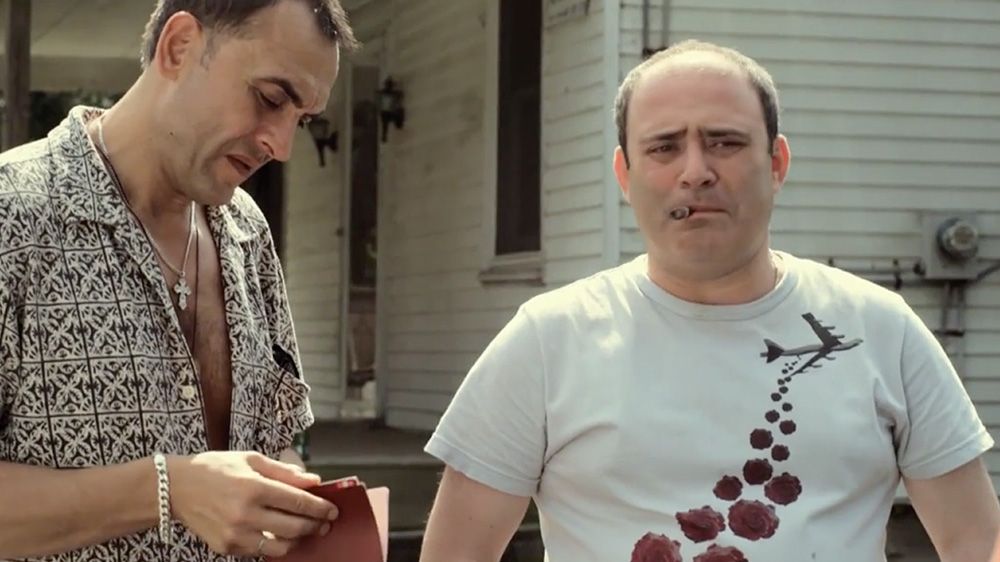
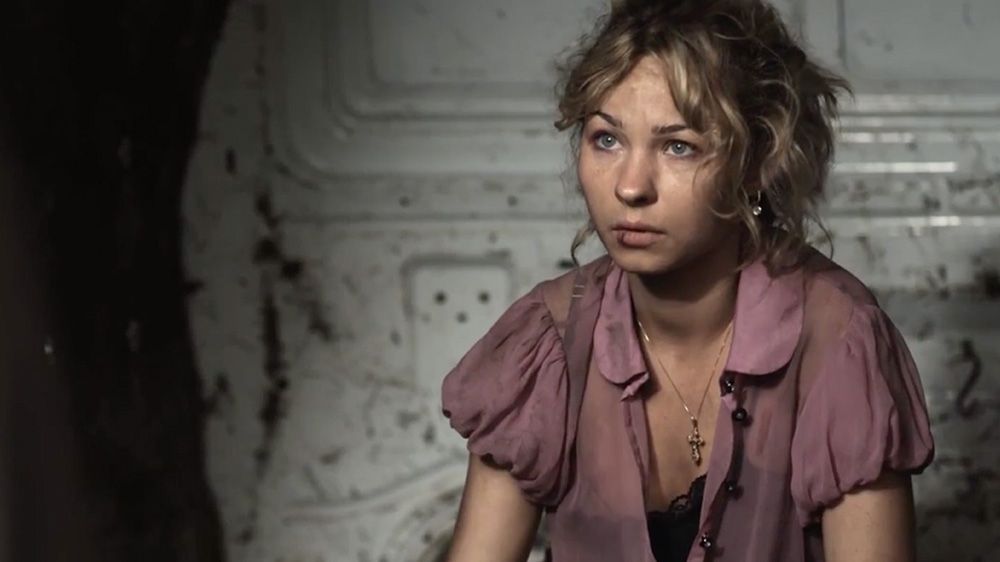
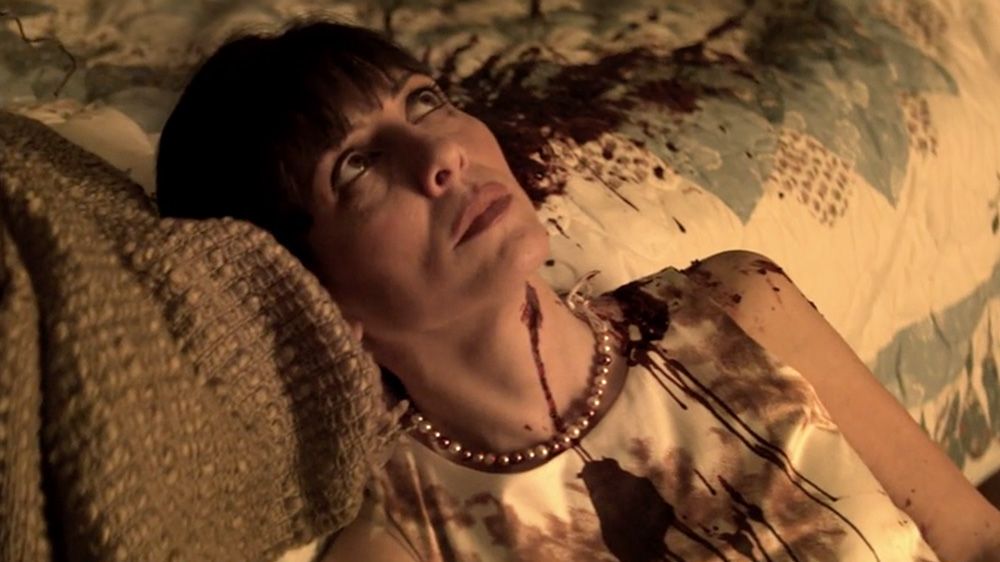
"I guess you could say my journey started with getting accepting into the Carnegie Mellon University School of Drama in Philadelphia! My mother was terrified I'd go to college to learn to act. But once I saw the acceptance letter, I knew I really wanted to be behind the camera where I felt my talent would keep me employed."
“It took a while, but I eventually found Hofstra University on Long Island where the undergraduates were running their own television studio; so this definitely seemed the place to be! One semester I was lighting director and then another semester I was running the camera. Hofstra was like an apprenticeship for this industry and probably jumped me ahead in my career."
After graduating, Patrick joined North East Video doing shoots and edits for all their clients. “It was absolutely the best thing I could do straight out of college. When a grad asks me these days what kind of job to look for - I always say, ‘go for a small company, because the beauty of a small company is you get to try it all.' "
"It was at NYC's Betelguese Productions where I 'grew up' in this industry. I would find a spare edit room to learn the switchers and DVEs. I did whatever it took to learn the tools of the trade! In 1992 I heard of an opening at HBO Studio Productions, I jumped at a job as a staff editor. My 'client set' was the in-house promo producers who do all the interstitials and promos for upcoming movies. HBO also had a Kadenza graphics system, which was one of only three in New York. I did my first network re-design in that room for SportsChannel (acquired by ESPN). I picked up the Kadenza because if I was going to do short-form I figured it should be on the graphics side of things.”
"Later, I worked at a company that had the second Kadenza in NYC, Tape House Digital. There I worked on network redesigns for TNT, TBS, NatGeo, PBS plus a multitude of commercials and music videos!"
"In 1999, I really wanted to do try something different. So I took a year off to try my hand at internet publishing. It didn't go well. Eventually I went back to freelancing on Media Composer, Symphony and Smoke for a bunch of different network and corporate clients.”
“I knew I had to have a difference as a freelancer; and I've always known what makes a great picture! So that's how I sold myself. On most jobs I ended up doing a quick color grade as part of the process. That's where my interest in color grading started to peak. In 2001, on a corporate gig, I discovered Final Cut 3. I really felt free on FCP compared to the Avid. And with a new capture card, I could immediately become a small editorial and finishing house with a complete 10-bit workflow. That’s pretty much how my business, FINI.TV (originally applePi Editorial) came about.”
"Eventually Fini became a pure finishing house. When Final Touch came out, I immediately knew Fini would morph into a pure color grading shop. At the same time, I started sharing all of my tips and tricks about color grading at User Groups. One day, I was asked by the Connecticut user group to give a presentation on ‘why color grade?’ which I called, the ‘Tao of Color Grading’. It addressed the fundamentals so they could walk out the next day and start grading. I got a huge response from that meeting and that’s how the idea the ‘Tao Of Color.com’ got started. 'The Tao Of Color' is my way of sharing what I have learnt about color grading. Since I'm a one-man shop, it's how I mentor others as I was mentored early in my career.”
“Like so much of filmmaking, you can’t learn color grading unless you actually grade. The Tao of Color is designed to give artists meaty projects that solve other people’s problems. After all, if you want to do this as a career or just have it as a core skill, you need to put in the quality time. That's what I hope the Tao is achieving.”
“With my day job at FINI.TV, I get to specialize in color grading independent films, documentaries, television and reality TV shows. I love giving a whole new group of directors and producers a level of color grading that they could never have achieved before. I always want creative experimentation to be part of the process. The last thing I ever want a client to think, is they should had tried something different but didn’t because of the costs. That’s why I flat bid on my projects, so we have more scope to try different looks and approaches—and I'm the one managing the clock. The client just focuses on picture and story."