Pat Wintersgill
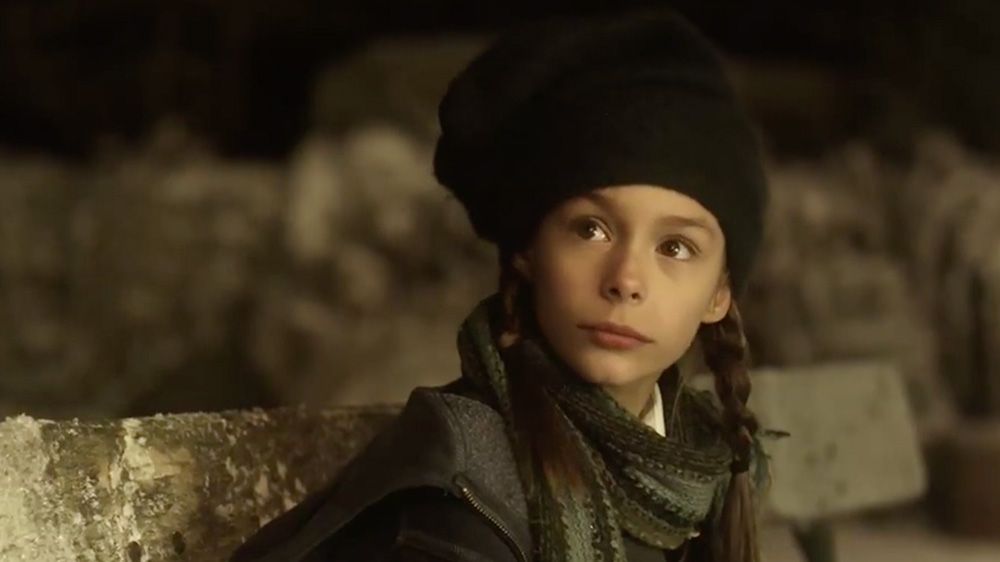
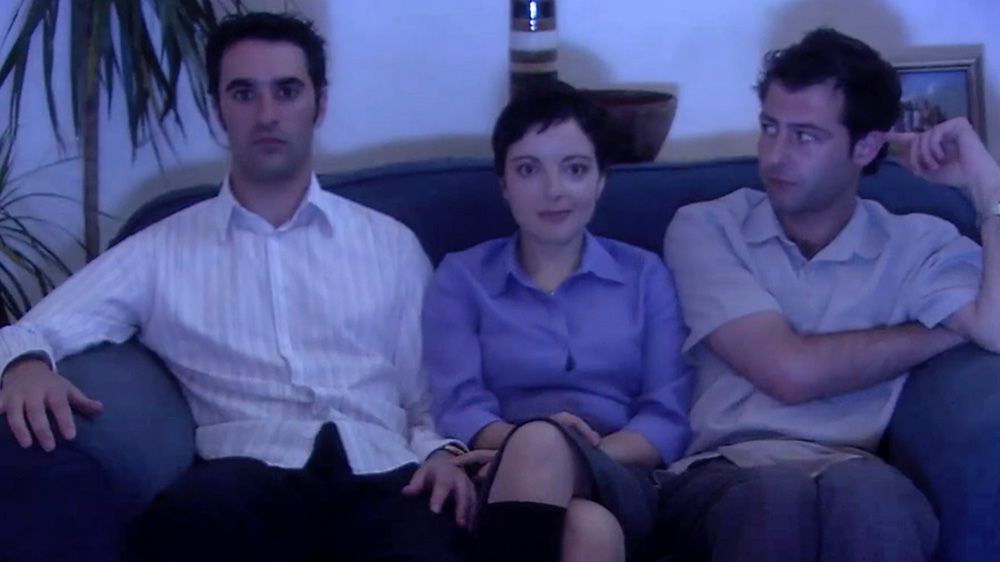
“It was while I was doing my B.A. in English Literature that I discovered an interest in filmmaking. The University of Southampton had a student film club, Wessex Films, a group of students that would come together and make short films. It was a huge amount of fun. The more films we did, the more my passion for film started to grow.”
“I thought that I needed to go and study film and broadcast production to work out which direction was the right one for me. So I went to Bristol University to do a masters degree in film and television production; which was the best thing I could have done. It was a very structured course and forced you to choose which part of the process you wanted to study. I loved the narrative side of the process, so I went in for editing.”
“At film school, I mainly spent my time cutting other peoples’ short films and helping out on as many projects as I could. It wasn’t clear to me that I would go in for color grading. There simply wasn’t an option to study it back then. The only way you could become a colorist was to work your way up through a telecine department or a laboratory.”
“I really loved my time in Bristol and wanted to stay on, but sadly the industry wasn’t really big enough there. I’m a Londoner, so looking for work in my home city was the next step. For six months I just spammed every post house I could think of. My first break was thanks to Framestore, who started me off as a runner. It really is a numbers game looking for that first job in post production, you just have to be persistent until you break in.”
“When I started out, the industry was changing and companies were just starting to do digital intermediates. My big break was thanks to MPC, who offered me a job in their newly established D.I. department.”
“They already had a Spirit 2K scanner and a couple of Arrilaser film recorders, which gave them the front and back end of the D.I “sandwich”, now all they needed was the filling! The equipment in those days was insanely expensive and the two Quantel iQs they bought cost nearly half a million pounds. These things were huge and weighed a ton. They were the size of two American fridges strapped together.”
“That changing tide in the industry created an opportunity for me to learn these systems and become a digital online editor. MPC had a huge VFX department that was doing some stunning work on a whole range of motion pictures. So it made perfect sense for us to replace the laboratory process digitally. For example, you could now go in and make detailed changes on an individual’s face, whereas only a year before, you only had basic lab controls over RGB and density.”
“Suddenly, the directors and cinematographers had many more options when it came to grading their films. With that came bigger and more challenging requests, which we then had to work out. We take these things for granted these days, but back then this was a huge breakthrough creatively.”
“We were lucky enough to work on some amazing film projects. There were so many talented people there, including a colorist by the name of Max Horton. Max is a genius, who already had 20 odd years of telecine experience by the time D.I came along. He took to digital like a duck to water; which wasn’t easy back then because all the software was still version 1!”
“It was completely uncharted territory, so the workflow was something we had to work out as we went along. Every day was about troubleshooting and making the software achieve results that had never been reached before. And Max was one of the best at pushing the envelope. He was grading many quality films, so it was fantastic working with him and being taught by one of the most experienced colorists out there. I was very lucky to join MPC and be in the right place at the right time. They were times of extreme innovation and change in the industry.”
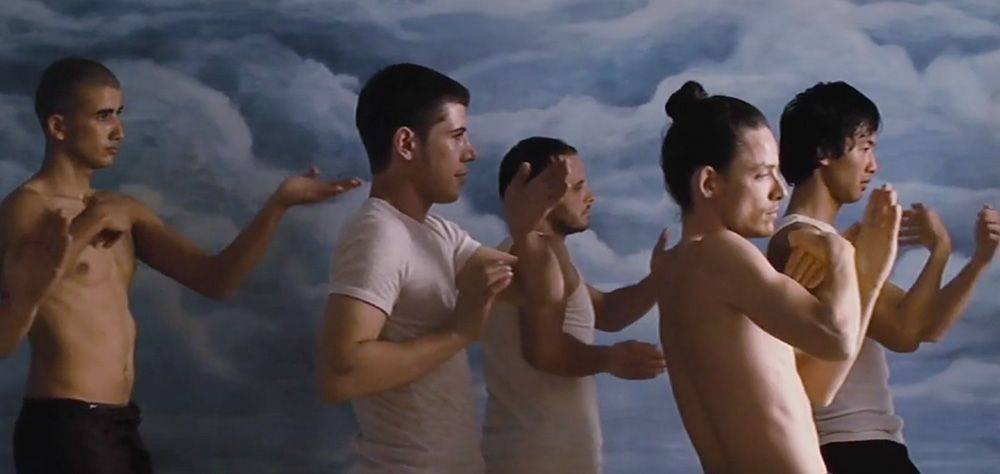
“The quality of the films we worked on was outstanding. During my time with MPC, I worked on over 25 features including ‘Slumdog Millionaire’, ‘Wallace and Gromit’, ‘Pride and Prejudice’ and ‘Sunshine’. We often had famous directors coming in through the door, like Danny Boyle and Shekhar Kapur.”
“Just before the global financial crisis, Technicolor purchased MPC. They already had their own D.I team, so they merged the two departments into a new, 5-storey facility under the Technicolor banner at Lexington Street, Soho. At Technicolor, I found myself working on projects for Warner Bros and BBC Films. The industry was strong at the time with lots of big and medium budget movies coming down the pipeline.”
“Then came the credit crunch and everything got a bit hairy. Medium budget films almost disappeared. It was a difficult time with redundancies happening across London. The subsequent recovery and the full digitization of filmmaking and distribution happened concurrently. After two years at Technicolor, I started to think about what it would be like working for a boutique post house, rather than a big corporation.”
“Having been a troubleshooter all of my career I enjoyed being involved in all parts of the process. So I really wanted to have more direct creative and technical involvement. I felt that working in a boutique environment would give me the chance to be involved on all levels.”
“I’d heard of Creativity Media, because of their excellent reputation in sound. What I didn’t know was that their sister company, Creativity Capital, was involved in film financing and that they were planning to put their own picture department together.”
“It was the best of both worlds for me, because they were looking to expand their offering and here was a real opportunity to focus all of my skills. We all got on so well and I soon found that we were similarly minded.”
“Once I joined Creativity Media, it was all about starting something from scratch. This was an opportunity to set up a picture department with the latest equipment and best workflows. It was very difficult to do this a couple of years before, because of the silly sorts of investment needed just to get the basics in place. We had a real opportunity to build something that could do more than ever before.”
“This was just when Digital Cinema was taking off. It was another learning experience for me. We were finishing films anyway, so it was just a logical step forward to begin delivering them for cinema as well. I find it all so interesting, especially now that 4K DCPs are starting to come through. There is never a dull moment in this industry.”
“Once I started at Creativity Media, I found myself grading some fantastic thrillers, cop dramas and horror films. We had all of the technical systems sorted out, so I could then simply enjoy being a colorist.”
“I was very lucky to have arrived in this industry at one of its great moments of change. Now I’m enjoying the ride and looking to the future.”