Nimrod Erez
“However, the film that had the biggest impact on me was the original ‘Time Machine’ with Rod Taylor. I remember this one particular scene where the lead character with his time machine is stuck under a mountain in a cave, whereby he uses the time machine to fast forward through time with the rock eroding all around him to get out."
"This logic of fast forwarding through time was film logic. The magic and simplicity of that scene, of being able to move back and forward through time was a eureka moment for me. You have to remember, I was maybe seven years old at the time, so this was impressive."
"Soon after that, I started watching TV more regularly, sadly most of what was on belonged to that golden era of 1970s American TV - stuff like ‘Man from Atlantis’ with Patrick Duffy.”
“I started to think about how this TV show was projected over the airways and how could they put a title on it. This was a complete mystery to me. My aunt worked at the only TV network in the country, and one day she took me on a tour of the TV station. When I was brought into the control room that was totally it for me. The technology had this amazing allure that really drew me in for the rest of my life.”
“That tour was supposed to demystify my childhood fascination with television production, but it had the opposite effect. It mystified it even further, because now that I had seen it I wanted to know everything about it. All at age eight!”
“Around the time I remember my sister was a huge WHAM fan back then and she bought their hits double album. Along with the two WHAM vinyls, the record store by mistake had inserted King Crimson’s Red album from 1974 into the jacket. Well, I put that on and it just completely blew me away! It was unbelievable. It elevated me to a stratosphere to which I had never been before.”
“Fast forward a few years and we had left the village and were now living in Jerusalem. What was great about moving to the city was there were plenty of choices for me to go to high school. I ended up going to the high school for the arts, where I studied all of the artistic disciplines from dance, sculpture, theatre, painting and filmmaking."
"Even though I had film in my mind, my original intention was to graduate as a graphic artist. After a while I figured that film was my pathway and I spent the next three years intensively studying filmmaking and TV production. It was very long hours, very hands on, and was being taught by some of the top industry people in Israel. After high school here in Israel, comes military service.”
“The transition from art student to soldier was traumatic physically. No matter how much conditioning I did before, it was gruelling training in the desert. I developed cracks throughout the bones of my legs, because of the weight we had to carry over such distances. We were exposed all of the time in the cold and the heat of the desert.”
“Training in the military in Israel, means serving on the front line. So you really had to pick it up quick because you were in actual combat situations from very early on. During one operation I was setting explosives that then blew up in my hands, immediately changing the course of my military service.”
“After I got out of the military hospital, the army were going to reassign me as a driver or something like that. But I managed to convince the HR Officer that they should reassign me to the army’s film and video production unit."
"What was great about the video unit, was that you were expected to develop the storyline, the script, get the camera, go into the field, shoot it, direct and edit the whole thing from start to finish. Doing film studies at high school was lots of fun and games, but this was very real, very professional and really serious.”
“I became a semi-pro doing this job learning how to do my assignments to a very strict set of professional parameters, much like you have to in the film industry. I learnt how to work on the best equipment and developed a huge range of skills like 3D animation, compositing while continuing to hone my skills as an editor."
"I have always believed that if you want to do something, then you at least need to know how it gets done technically. So I focused on practicing field cinematography, editing, writing, lighting, motion design. You name it - I was learning how to do it. Being in the service for me was all about seizing the opportunity and I loved that part of my military service.”
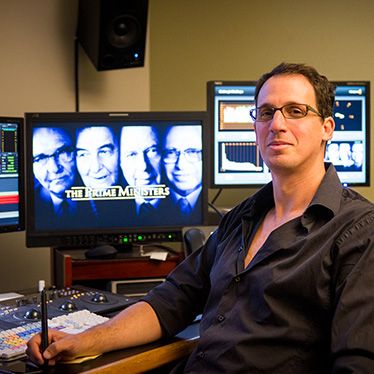
“In this particular video unit, we had a lot of reserve soldiers coming in to do their month of compulsory service every year. So a lot of the best and most influential people in Israel’s film and television industry were there for me to work alongside with. I learnt so much and made so many connections that were to help with my career after leaving the army.”
“When I was discharged, my first job was fortunately only a phone call away. The army gave me all of the contacts I need to get my career going. However, the industry in Israel at this time was still an emerging market. Cable had only just arrived the year before, so they were still finding their way. There were plenty of production companies looking for people, but the best jobs were still held by the same group of industry veterans protecting their turf vigorously. At the fresh age of 21, I could see that I was never going to be let into their ivory tower as an editor.”
“I saved up my money and at age 24 moved to Manhattan to pursue the next phase of my career. At my last gig in Israel, I happened to meet this editor who had been working in New York and he gave me a couple of phone numbers to call. When I got to New York, I just called a million studios looking for a gig to get me going.
"A couple of weeks later, I got a call back asking me to do some technical support for the editors. I knew the Avid so well at that time and proved my skill as a storyteller, that when one of the editors left I got his job. After a few weeks more, they started the visa process for me."
“With regards to my visa, I have to give thanks to Gary Baddeley and Richard Metzger at the Disinformation Company for making my life in America possible. I joined Disinfo just before it was bought by Razorfish, which was at the time one of the world’s largest web design companies. While I was at Razorfish, I got to work for one of their incubators called Razorfish Subnetworks. This was like no other company you could imagine. It was more an art project that the two owners of Razorfish started for their own enjoyment.”
“On our floor there was a guy making weird metal sculpture, some documentary filmmakers, some graphic designers and then there was my group. It was the heyday of the Dot.com bubble and it was absolutely fantastic to be in New York at the time. While I was with Disinfo, I completed 16 half hour docu-series on American subculture and general weirdness for Channel 4 in the UK. We really pushed the envelop on this one. What we were able to get on TV, was really quite extraordinary. My role was to do all of the shooting, editing and sound mixing, and I ended up doing some motion graphic and design work, so it was a really intense job. For the second season of the series we moved the production over to LA.”
“After a full year in LA working on Disinfo, I began my seven years of working in reality television! Here in Los Angeles, you have a class of editor that just roves around between production companies for several months at a time, working on TV series. You get into a groove with people and then you tend to follow them around as they go from one production to the next. That was me for 7 years. In that game, networking is a full time job in itself that never ends.”
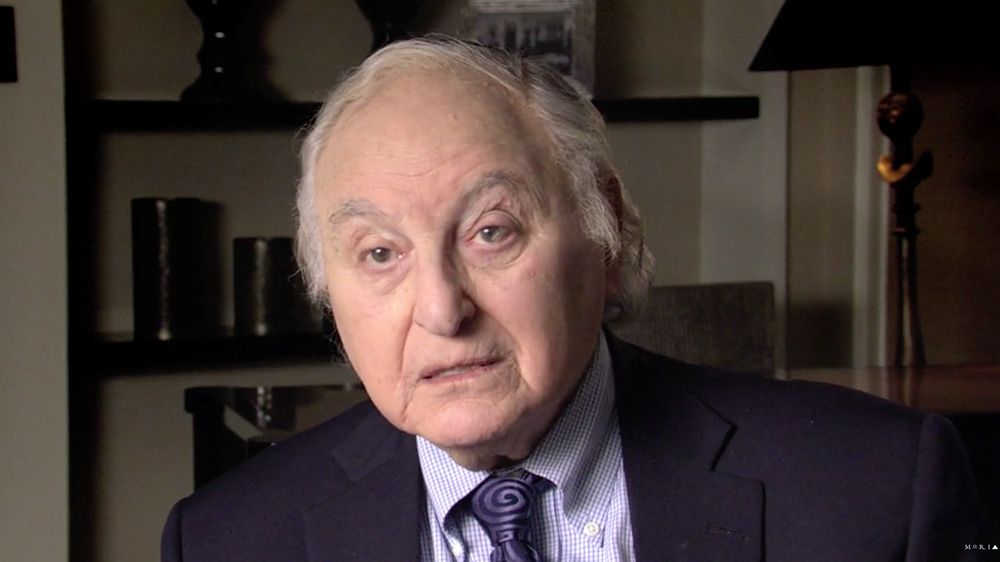
“Around this time, I was still going through the process of becoming a US citizen and my relationship with my girlfriend was becoming serious. Then in 2009, my girlfriend Katrin Osmialowski (who is now my wife) started producing for Moriah Films at the Simon Wiesenthal Center. When they were gearing for a new project, Richard Trank, the in-house director at Moriah Films called me in.”
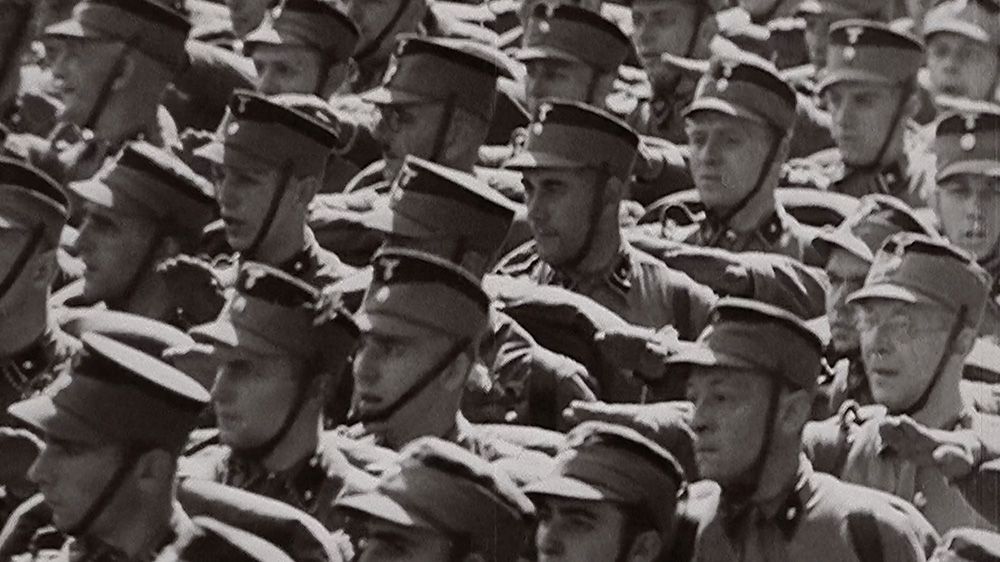
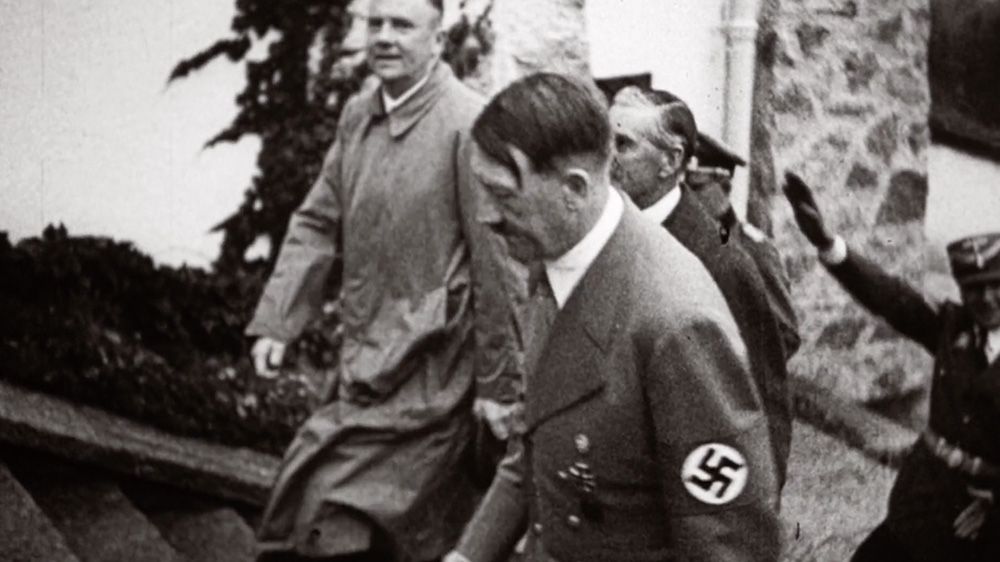
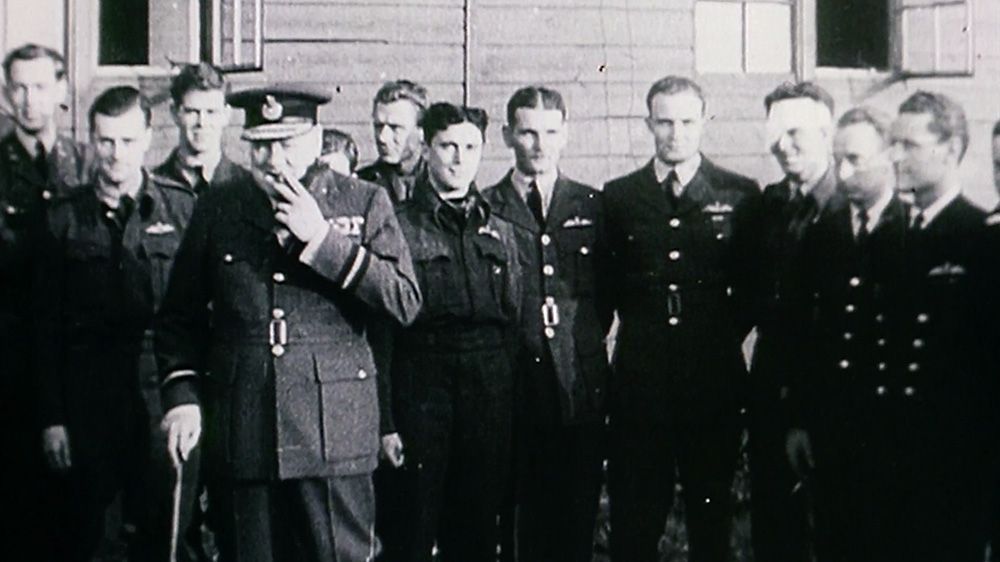
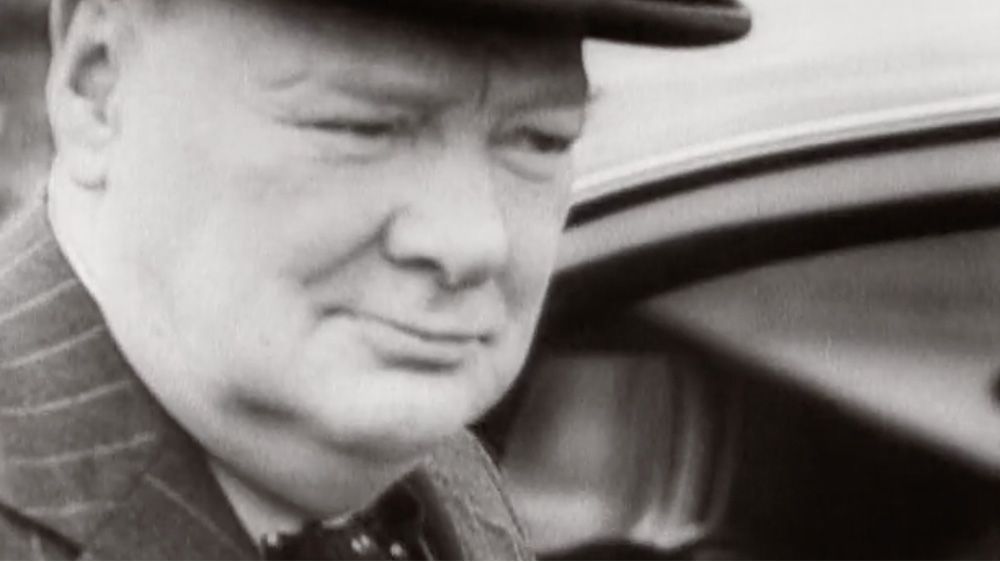
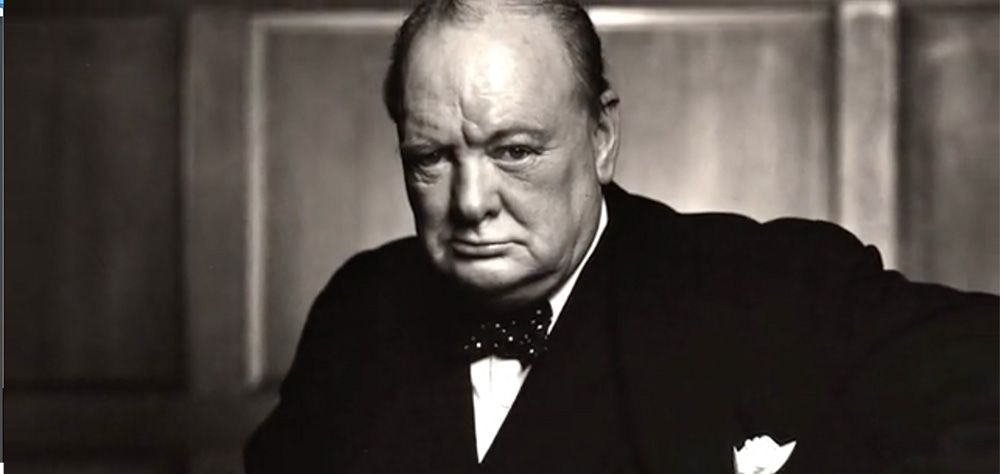
“We both have a strong sense of respect to history, so we immediately hit it off. And since then, we have had this wonderful collaboration. The first film I did with Rick was the Winston Churchill documentary ‘Walking With Destiny’. Churchill was like the current day ‘300’ standing at the gates in front of the barbarians."
"What sets this film apart is its focus on only the period from the beginning of World War 2 and the moment the Americans came into the war, as opposed to most other biographies which span the entire life of the man.”
“Richard gave me a massive amount of latitude to be creative with my suggested ideas. He is a terrific listener and comes at things with an open mind. We both really enjoyed working out the best approach for each scene with this particular film. What I really appreciate working with someone like that is it pushes me to be more creative.”
“I never imagined that I would end up doing this sort of filmmaking, but it feels spot on for me. Everyday, I come to an organization that has a higher purpose and mission. Everyday, we use our talent to fight intolerance and racism by highlighting the crimes of the past against targeted minorities of all creeds and orientations.”
“As fun as it was for me to work on reality TV shows, they don’t measure in terms of the sense of fulfilment that I have now. I feel that by doing these documentaries, they reconnect me with my own family history. It helps me pay homage to the enormous cost that my ancestors paid in both the First World War and the Second World War."
"I feel I have a responsibility to keep the spirit of humanity alive, given that my own family were executed and persecuted for standing up for their belief in humanity and freedom.”