Michael Cantalupo
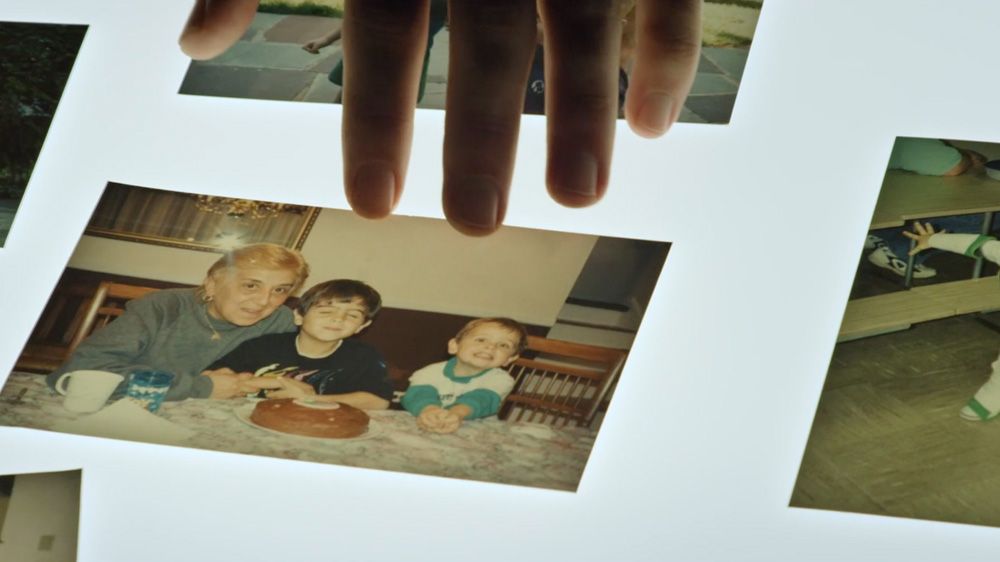
“The best part of my childhood was that we had both of my aging grandparents living with us, which brought a completely different perspective on life for me as a child. My grandmother was an incredibly open, warm and accepting person. She was a wonderfully tolerant human being, who influenced all of us in our small family.”
“The first thing you notice about Massapequa, is it has a very good school district. And from a very early age, I knew that was weird because the school district right next to mine, was significantly underfunded. The difference was clearly a socio-economic issue, my district was predominantly white and the other district was predominantly black and Hispanic.”
“So as a kid, I was rarely given the opportunity to make friends with anyone other than my own socio-economic group. And these experiences left me with a longing for learning and befriending people for different upbringings to mine.
“So when I went away to college, those were the particular aspects of life, which became my quests for a while. Observing self identity and understanding what role I play in society all became important. My brother had studied accounting, as had my father, so I knew that was not the direction for me. At first, I had wanted to be a pediatric cardiologist. which is a strange hope for an 11 year old boy. But that soon dissipated as an option when I saw how many years of study were involved.”
“I guess my first taste of the future, was when I gave my speech for class president at high school. The speech was so out of the box, so out of body and out of character. And the reception was incredible. It was a release of endorphins I’ve never quite experienced before. From that moment on, I knew I wanted to speak to large audiences.
“And so, I enrolled to study my degree in studio television production at Emerson College. Most of my colleagues wanted to be DOPs, directors and producers etc. Not me. All I ever wanted to do was talk on camera. Game show host, talk show host, or running gun filmmaker was what I was to become.“
“My initial break came while I was studying at Emerson. A former student, Ben Aaron was a famous ‘man-on-the-street’ reporter well before I even knew what that was. And so in my freshman year I reached out to him, only to find the program I was hosting at college he had created. So he called me in for an internship working with him at NBC in New York on his street series of interviews.”
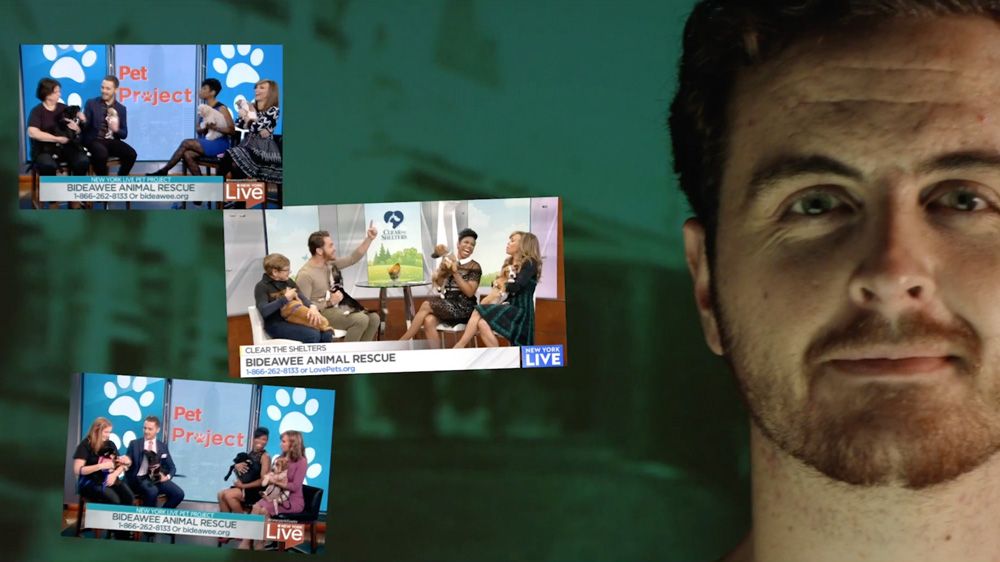
“The following year, NBC was doing a weekly adoption series. I had done some freelance videography for one of the animal shelters that was being featured, so they figured I had the right credentials to help out. From that moment on, I was going live on NBC at least once a week in the largest market in the world. I did this work for nearly 4 years. It was an utterly surreal experience traveling from my university in Boston, up to New York each week to work for a major network as my part-time job!”
“After I graduated, I had to start somewhere full time. This is when I started hosting game shows for school assemblies with a company called Hollyrock Entertainment. They basically had me and one guy, traveling in a van going to elementary, middle schools and summer camps hosting educational game shows as an extracurricular activity for students.”
“That gig was a rollercoaster of emotion. But, what I loved about this gig, was it was a great way for me to be able to still be exercise my hosting muscles and microphone skills. Which are all very important things if you want to live in front of a camera, of course. An anxious month after quitting that job, Total Pro Sports contracted me to come on board to help build their YouTube channel.”
“When I came in, they had around 180,000 subscribers, so there was an existing fan base to work with. The bread and butter for us was the Top Ten Videos. I introduced some other ideas to increase our audience reach. One of those which I was most proud of, was the man on the street segment. Those immediately blew up, and went viral in the American sports world, where a couple of them are now at millions of views.”
“That for me was a big moment, to see something you’ve created have 150,000 people watching it the very next day. There was no office with this job. It was all remote. So I was shooting, editing and hosting mainly by myself. As ‘the man on the street’ segment, I had a camera woman named Sarah Alli, but mostly it was all up to me to make the content and to get it live.”
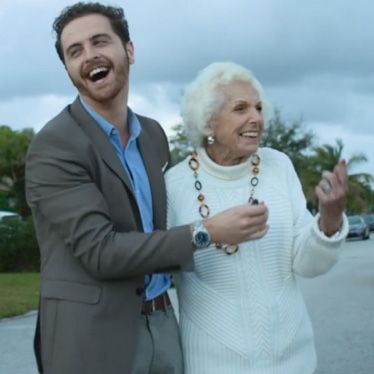
“This was pretty much what I got me degree for, so it was the perfect job for a while. And so whether the video did well or not, I was guaranteed the same income for each job. Which certainly helped while living in New York. This was my first real chance to interact with fans as well. I think of many of my biggest supporters as a sort of family in this much larger mission.”
“We did nearly everything in terms of trying to understand why one video of the same calibre would hit 150,000 views, and the other would hit only 10,000 views. We tried to work out YouTube’s algorithm settings with different titling and tagging, or the amount of commentary interaction each would have. Having taken this almost to the level of a science, I finally gave up, in the firm belief that not even YouTube has any understanding of what their algorithm is up to. As a content creator, there's obvious a flaw there, that was a real battle for us.”
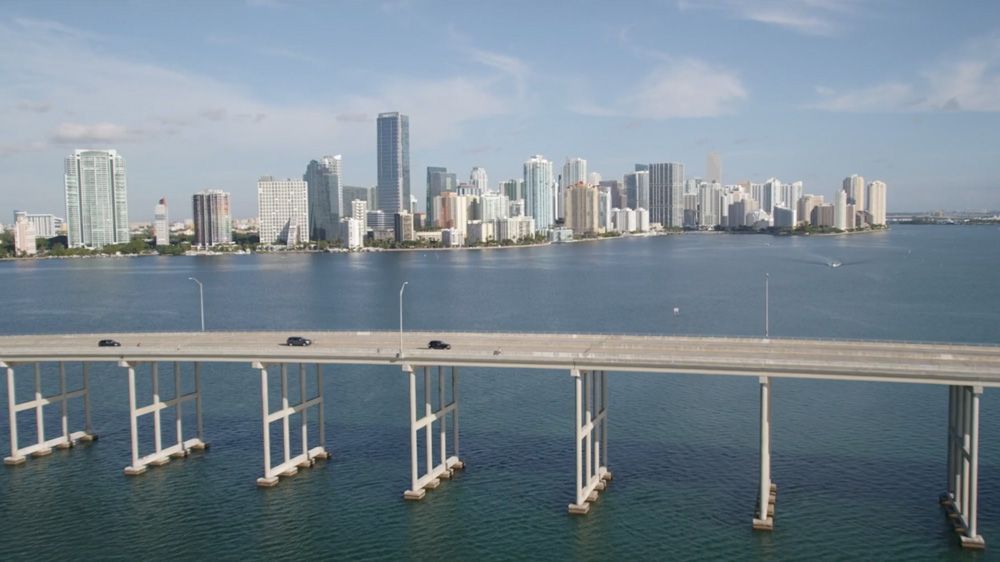
“All of that eventually led me to quit my job at TPS, and the vagaries of the YouTube algorithm to head south to Miami where my brother was living. A week after quitting, the Miami Dolphins called me to make an on-the-street video. Given they are my favorite football team, this gig had hints of fast becoming my best ever job!”
“And all of the fans on TPS knew that the Dolphins were my clear love, so it seemed the perfect formula to do another ‘man on the street’ series for them. The pay rate they gave me I couldn’t believe, let alone say it out aloud. All of my dreams had come true, I thought.”
“The first episode went off nicely. But then I got a taste of a different side to the game, when your team starts losing. No football team is ever going to publish a happy ‘man on the street’ segment about losing, are they? And as quickly as the best job in the world had arrived, it disappeared again.”
“Here was my ‘great’ opportunity in life, to think about what creativity looks like to me. From being a host of popular media content to hundreds of millions of people - to now wondering, what was really important to me. Fortunately, I had landed in a collaborative filmmakers space in Miami, where I met Ukrainian filmmaker and DP Andriy Kyryllov and a Columbian producer named Felipe Aguilar.”
“Having spent my entire career to date, doing running gun style man-in-the-street stuff. Being mostly on my own, to now being back in a collaborative space with other filmmakers, was like being part of a community of creatives; like in my college days. While I was at TPS, I was talking to more than 300,000 people every day. The challenge now was not the size of the audience, but the size of the topic to talk about.”
“The biggest thing about getting back into collaborative filmmaking was being able to hear from people that I respected and who also respected me, for my opinions. This was something huge, because I could now focus on stories that tell the grander truths in life. Working with a Ukrainian and Colombian, brought a unique perspective to my views on American culture. Having the benefit of their life experiences and cultural insights, has helped me to better understand what it is to be an American.”
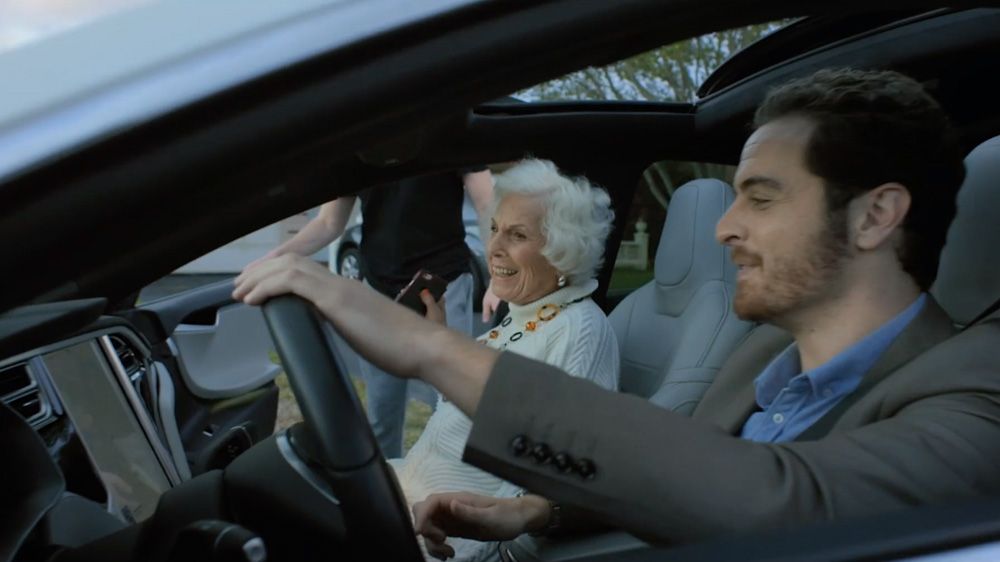
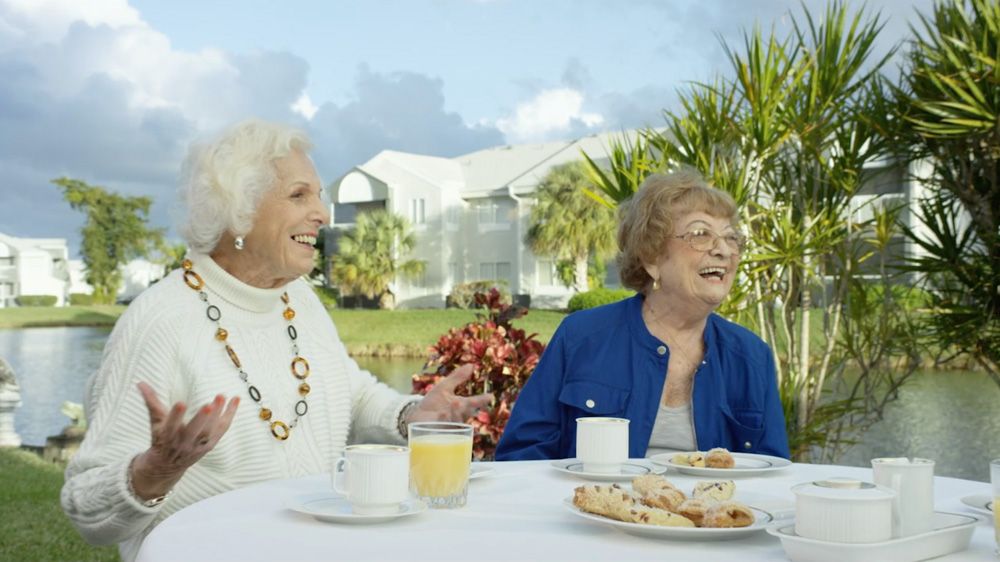
“Ultimately, all of this creativity and cultural exploration led us to our current film series called ‘Centenarians’. Having only been around for 25 years myself, I figure that those who have been here quadruple that time, who have experienced success, heartbreak and loss; might know a thing or two about life. Who best to turn to, to ask the question of ‘What will make America Great’ again. Who better to ask than those who made it great in the first place.”
“I have always felt that as we age, and as death becomes closer to us, that we become wiser in our scale of understanding. To my mind, I thought the answers for humanity is best left to the people who have been on the Earth the longest. And so, I figured if there was one generation with the highest enlightenment, they would have to be centenarians.”
“So Andriy and I have been figuring out a way to make a rallying cry to preserve these stories. All in a way, that will be accessible and entertaining, with high production values. We are wanting to open this up to other Millennials and cultural influencers, as a bridge between the present and their ‘grand’ stories of the past.”
“This is now our current project: www.100.film These are the stories of the people who have helped to make America Great, for the last 100 years. They are the Centenarians.”