Letica Agudo
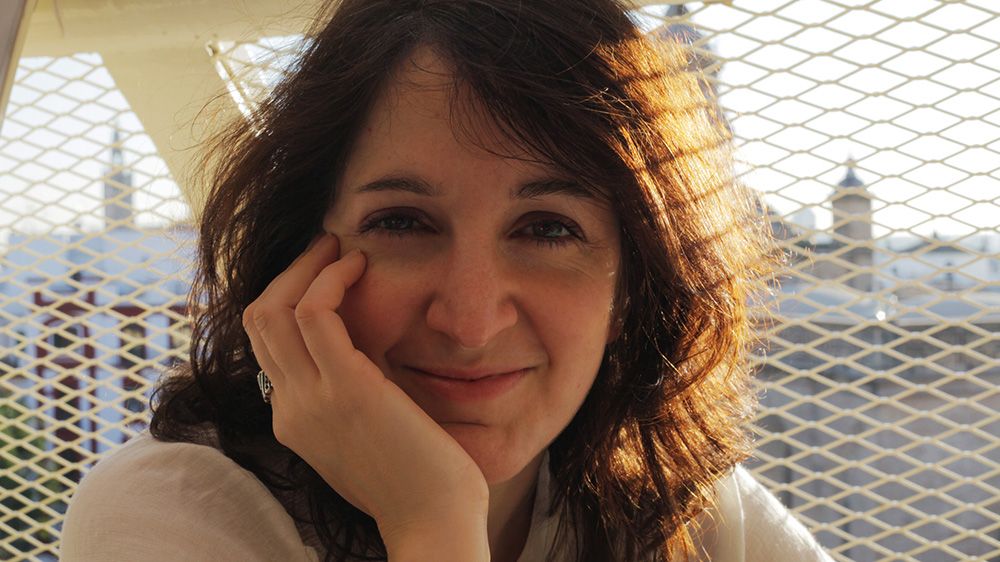
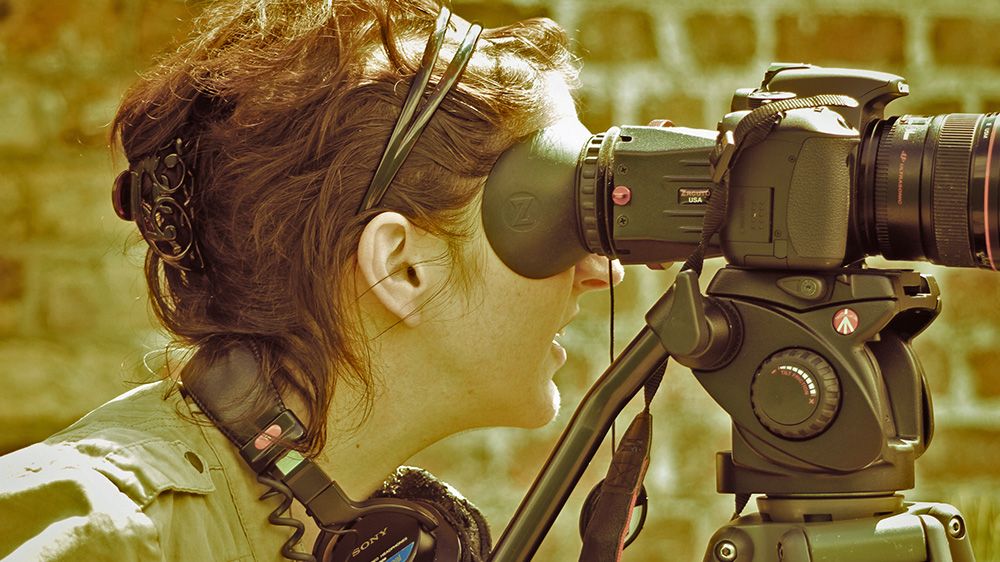
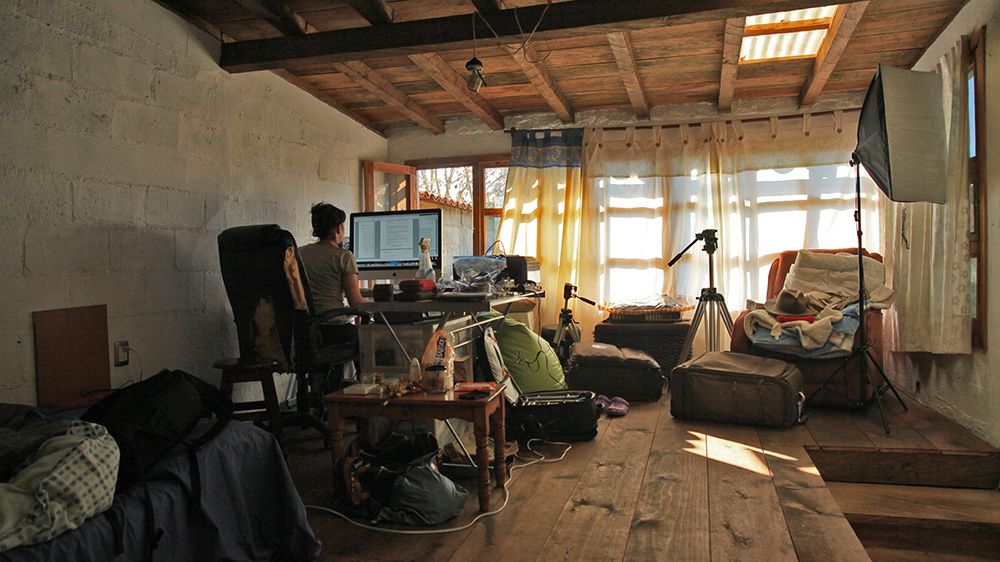
"Ever since I was ten I have had a great love of poetry, writing and performance. By the age of sixteen I wanted to leave Seville in Spain and study abroad. Like most sixteen year old girls, I thought of becoming an actress in America!"
"My parents thought America was too far away, so they found me a school in Sussex in England. So I am now thinking, I should become a famous actress in the UK. At eighteen, I applied to the Royal Academy of Dramatic Art; all with this incredibly strong Spanish accent! I managed to get an audition playing Cleopatra and Medea in front of a panel of three people... who all just kept smiling at me when I finished. I guess acting wasn’t really my calling after all. After my audition with the Royal Academy of Dramatic Arts I went onto a drama school in Richmond, where they told me I had a really good eye for directing."
"I did finally get to go to college in London, where I studied drama and hispanic studies. I was very young at the time, and strongly believed that you could change your nationality like a wardrobe. So I changed everything about myself, including my accent. I didn’t want to be labelled as the Spanish girl in London, so I made huge efforts to learn how to speak like the English."
"Studying drama at Queen Mary and Westfield College in London, certainly strengthened my like for directing. So I went off to do another course, this time a Masters of Arts in Theatre Directing at the University of East Anglia in Norwich. And that's when I teamed up with three friends to start our own independent theatre company."
"We knew we couldn't stay in the South of England, because there were too many existing theatre companies. So we came to the conclusion that we would have to go to the north of England, Scotland, Wales or even across the sea to Ireland. So the three of us setup a theatre company in Ireland, called 'Common Currency.' Between us we did it all - we designed, produced, directed and sometimes wrote our own plays."
"I guess we came across as being pretty arrogant, because we thought we would become god’s gift to Irish theatre! We figured that we could bring theatre from across Europe to Dublin. But we soon learnt, that there was going to be no acceptance of us because of the way in which we were trying to enter the Irish theatre. In spite of the early criticism, we did receive some acclaim. We planned an entire festival in Dublin for a month, which celebrated the anniversary of the playwright Federico García Lorca. Our play called 'Honey is Sweeter than Blood' received an amazing review from the 'Irish Independent’s' critic, but everyone else just slated us! We continued producing plays for another two years before that dream died."
"The kind of theatre I loved, was very physical and visual theatre. However, I found producing and directing theatre very frustrating because you're so reliant on the actors. I like precision, so when I see a play the first night it opens, and you get the precision you want as a director - well, that's great. But as the play went on you were really at the mercy of the actors to keep performing at that level. I guess that’s why I was technically suited to film. You could capture the perfect performance and replay it forever."
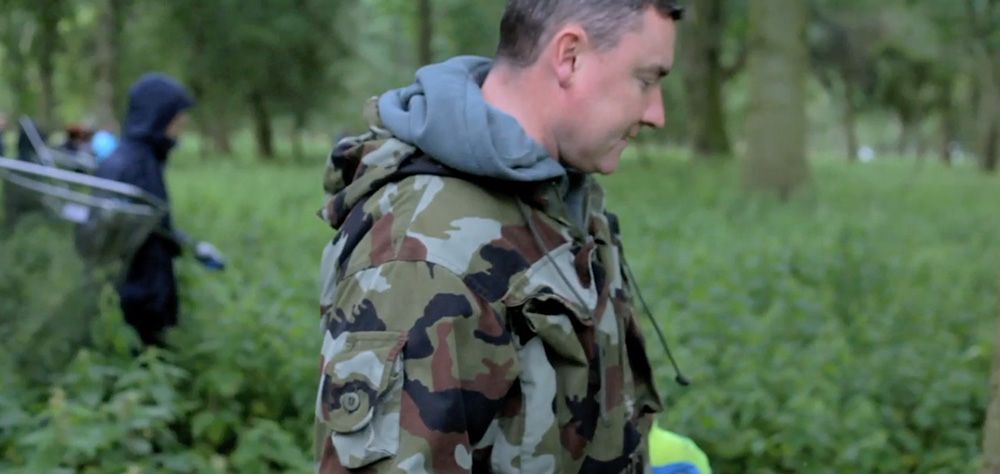
"I had never thought of doing film in the past, but really everything was pointing me towards it as a career. I thought doing film would be too technical, so I looked to go to film school. I was accepted into another college, to do yet another Master degree. And that's where I discovered my love of editing. Given that we were still shooting on 16mm film back then, I was taught to edit by this fantastic editor on a Steenbeck."
"By now, I had had my fill of the theatre and actors, and plays that don’t evolve! So after I finished film school, I wrote a screenplay called ’Shift’ which I shot in 2001. I moved into an attic flat in an old Georgian house in Dún Laoghaire, where the wind blew right through my studio! It is during this time that I fell in love even more with the art of editing. After I started editing on my Steenbeck I then bought my first FCP system."
"Although I found a great love for editing, I can't say the same for my first film. This film was very complex for what it was, and involved props people, and everything else. However, it didn’t turn out as I wanted. It was very ambitious for what we could do at the time."
"Later, I did some coordinating on a short film, but I really wanted to be directing my own work. I was thinking, 'do I go down the union route and become an assistant director, or do I take my experiences with theatre and film and maybe teach?' One of my past lecturers said to me, that being an assistant director may not bring me any closer to directing. He said, 'if you want to write and direct, then go and do it yourself!' So I became a part-time lecturer teaching 'directing and filmmaking,' and a part-time filmmaker!"
"In 2005, I became a member of the European Documentary Network. I did another course in creative documentary direction and attended one of EDN's symposiums. That's when I got really excited by the possibilities of documentaries. I didn’t know much about documentaries and thought they weren't as creative as film, until I saw all these different techniques for directing them."
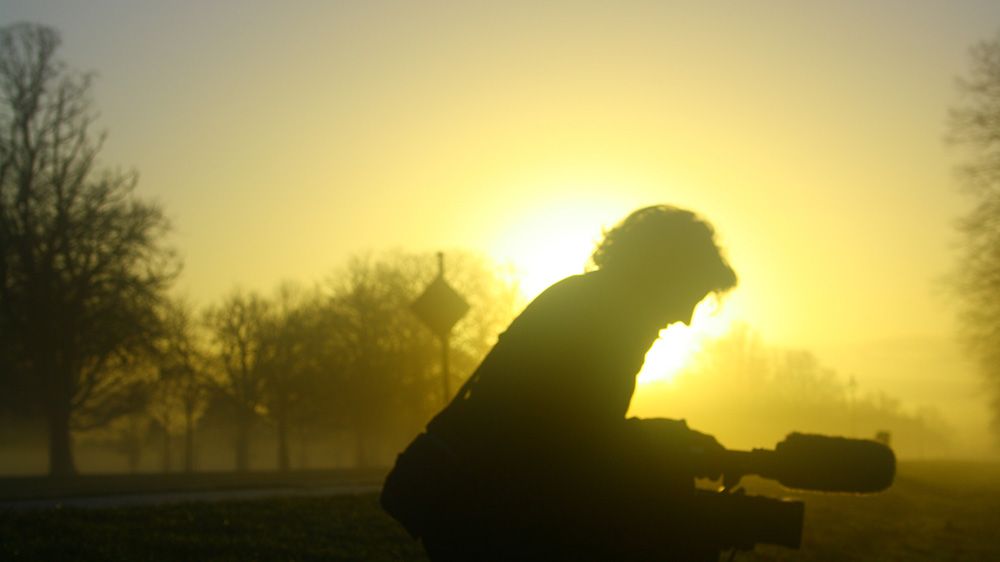
"What drove me into documentaries is being in front of the subject matter an thinking that's a really great story. Why make live action when some of the best characters are right there in front of you! And you don't need actors when you're doing documentaries! The story is right there. It's all about the way you decide to tell it and structure it that makes a great film. What I love about it is, there's no script. The producers, directors and editors collectively make the script."
Together with Paul McGrath, Leticia founded 'Whackala'in order to pursue their own fiction, documentary and animation projects.”