Joshua Z Weinstein
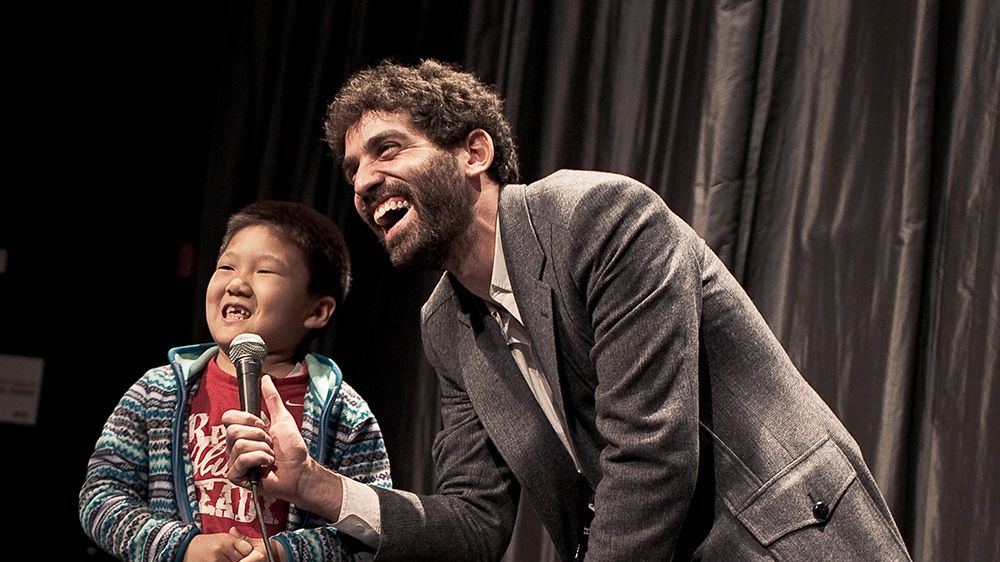
"I enjoyed school but was dyslexic and not the best student. I got into punk rock music and was enamored by the DIY mentality. So when it came time to go to college, I thought I should become a sound editor and do sound design. It wasn't until I first picked up a camera and went out into the world that things changed for me. It was during a documentary class with Associate Professor, Mary Jane Doherty at Boston University. When Mary Jane saw my first dailies and how I connected with people, she said that I definitely shouldn't be a sound designer, I should be be a documentary DP. Mary Jane kind of pushed me to be a DP back."
"Going to film school at Boston University was fantastic. The great thing about Boston, is that it doesn’t have the same pressure as other film schools. That meant for me, that I could have a camera whenever I wanted. There wasn’t a whole load of fighting over equipment. It's one of those places with a great atmosphere. We were always encouraged to make art with those cameras, and I really appreciated that creative approach."
"Many things frame your perspective as a documentary filmmaker, including where you grow up. For me, I was born in Manhattan, but grew up in Morristown, New Jersey where George Washington spent a revolutionary winter.”
"Both my parents were born in Brooklyn, so they would take us every summer to a different National Park. Going on long hikes in the wilderness and scrambling up rock piles is one of the most exciting things you can do as a kid."
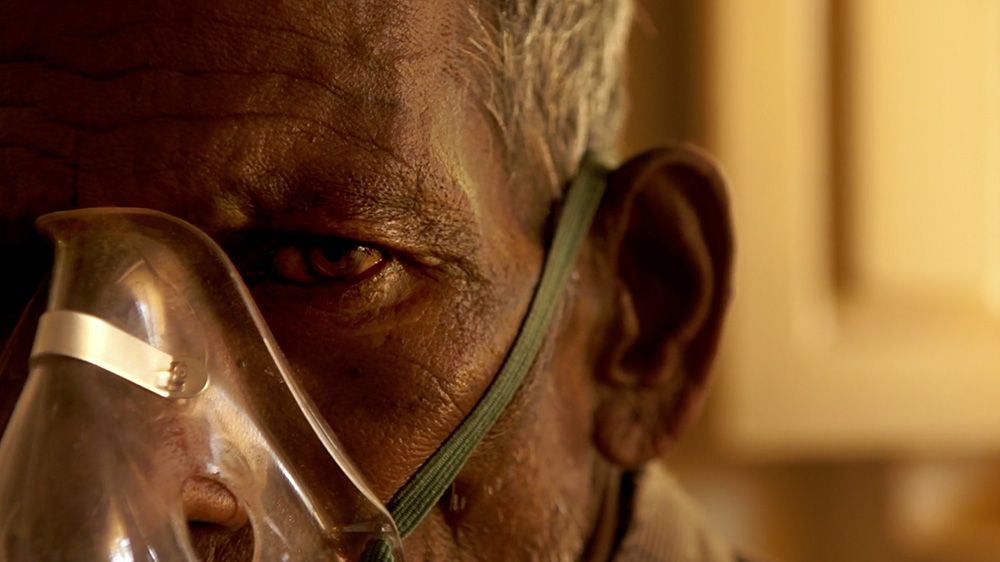
"I started my first film right after college and funded it by assisting on all of these other jobs... and doing things like baby sitting. The film is all about Dr. Sharadkumar Dicksheet, a seven times nobel prize nominee who lives half the year in India treating kids with cleft lips and other deformities. What is so incredible about Dicksheet is that he was wheelchair bound, without a larynx, and was living with a life-threatening aortic aneurysm while doing all up to 70 marathon-like surgeries a day."
"I wanted to show Dr. Dicksheet as the complicated character he was, someone who dedicated his life to charity but was curmudgeonly and enjoyed a drink. The film plays on our expectations on what a humanitarian should act like. People really loved the film because he was real and was a person you could understand. He was conflicted and that made him more human than if he was just a philanthropic saint. 'Flying on One Engine' premiered at the SXSW Film Festival in 2008."
"I remember my first big shoot after college. At the time I was driving an ice cream truck to keep my rent paid and I was just dying to get some film experience. Suddenly I get this call to be a PA for a diet Pepsi commercial. It was great money to me, as two weeks doing this job was enough to pay my rent for a half a year! I was so excited because this commercial was being shot at the biggest football stadium in Massachusetts and it had robots, celebrity football players and hundreds of extras."
"First day onset I am organizing props, when the director of this multi-million dollar commercial walks in. So I said to him, ‘hey I really want to be a cameraman one day, can you get me an internship with the camera department?’ He looked really surprised and said, ‘You know I am the director?' Then he goes up to Jim Whitaker who was the DP and says, ‘This kids wants to help out.'”
"So here we are shooting in this stadium with literally hundreds of extras and the DP shouts, 'Josh get over here.' He then hands me the 35mm camera in front of this massive crew and says, 'OK, you do the shot for me!' I then record and pan one of the hero shots as all these pro-football players run across the field! You should have seen the look on all the other PAs on this shoot. Here I am, my first day onset and I am shooting this massive Pepsi commercial. Can you imagine that!”
"It is kind of funny how all this stuff happens. When my first film was reviewed I get this message to say that I had won the Estonian People's Award! With the award they invited me to fly to Estonia to meet the President and to be on the jury of their film festival. And then one of the production managers for Morgan Spurlock's Comic-Con IV called me in. I said to them, 'Look I have to go and meet the President of Estonia in three days. So I will really need to know now if I have the got the job now! I honestly think even today, that because I had this deadline, they couldn’t look at more people, so they just hired me. It worked out great though, as I've now worked with Spurlock on three of his projects."
"Since then, I have just been working on tons of films. I am just so lucky that people just keep on calling me to work on their projects. And every year I feel I am just getting better at what I do and that’s rewarding for me personally.”
"I still like to shoot and direct my own films because it lets me speed up the whole filmmaking process. Some of the indies I shoot, take so many years from the development, to production, to post and then to release. It is slow at times. Making my own films lets me experiment with less narrative forms and to also exhibit my work quicker."
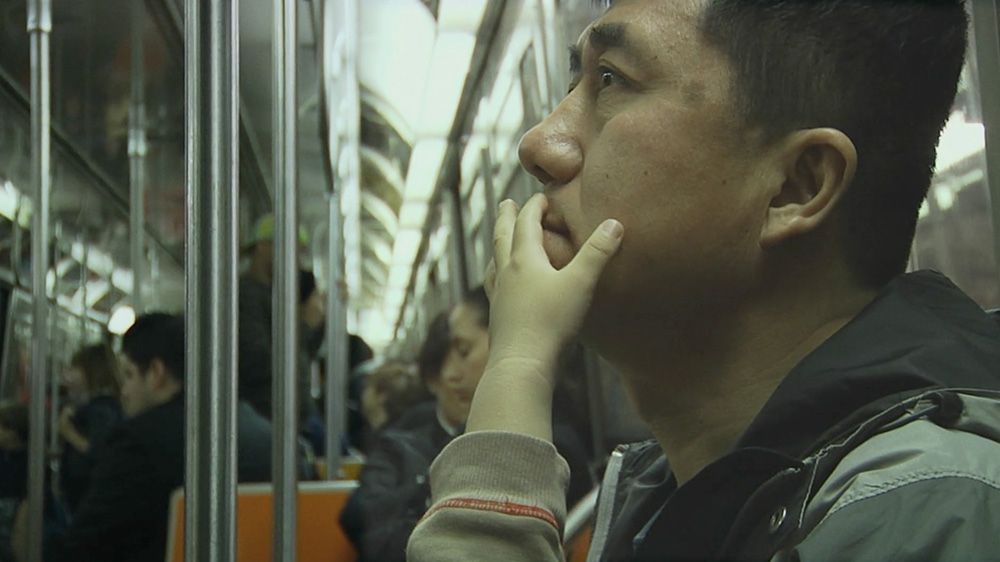
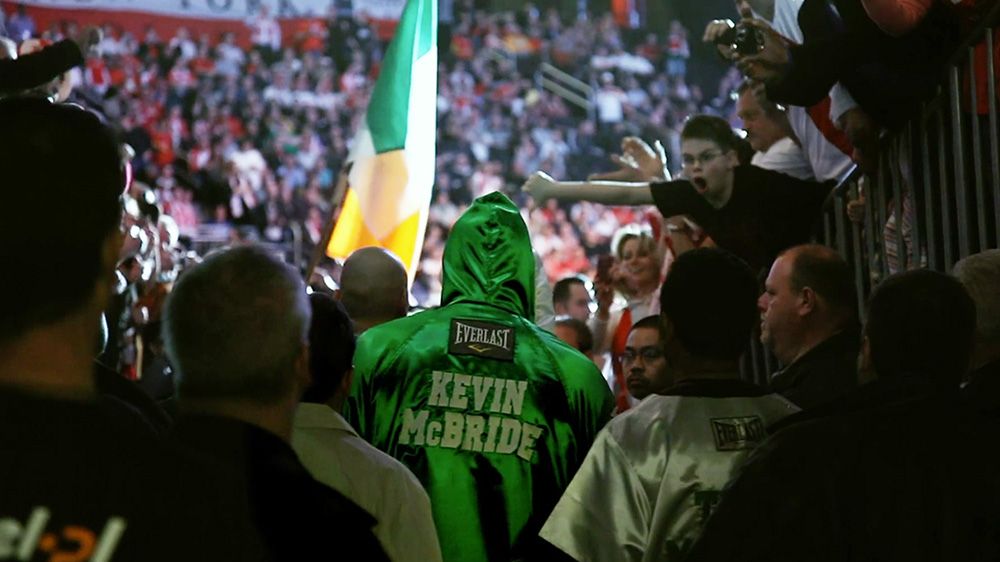
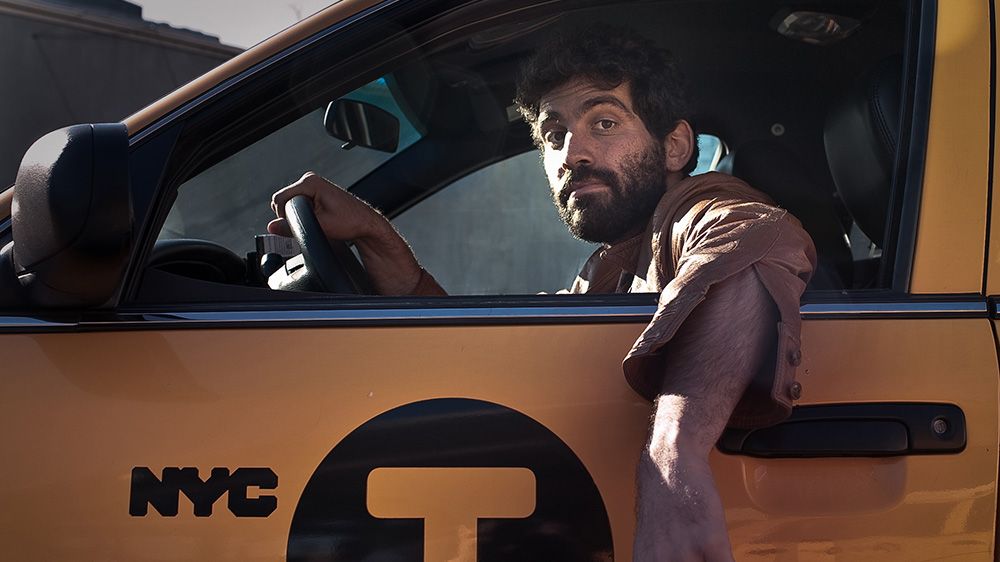
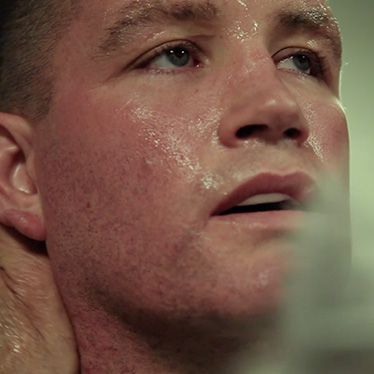
"Opportunities come from everywhere when you do your own films. My film 'I Beat Mike Tyson' about Kevin McBride the Irish boxer actually came from a prison guard who posted his idea on Craig's List. Another of my films, 'Drivers Wanted' which is about the cab drivers of New York I got to do thanks to Jean Tsien who brought me the project because my mom used to drive a cab. These types of films are always great collaborations with the people who's story you are telling."
"When I do my own film, I don’t want to make a story that is obvious. It’s all about the relationships you have with the people you are filming. That’s one of the hardest things about non-fiction filmmaking, it's all about relationships. For example, Kevin McBride the boxer and I are still close, and I count him as one of my friends. You become that way doing non-fiction films, because they have to really want to do this with you or it doesn’t work."
"Photography also inspire me. There's a Labor Day parade for the Caribbean Community in my neighborhood every year, which is one of the last free moments left in NYC. People get rowdy drinking, dancing, and celebrating on the streets for an entire weekend. I've been taking photos of it since 2009. This past year was the first time I've actually filmed it. I found three kids who attend the parade and we made this experimental doc/fiction hybrid around their experiences as the parade was happening. It was a good thing I kept a UV filter on my lens, because the participants were coating it with baby powder and wet paint.”
"The 70s was the only time that personal dramas made by Auters were given budgets to make films. Lately I have been rewatching many from this period like Altman’s “Nashville”, Coppola’s “The Conversation”, and Cassavetes “Minnie and Moskowitz.” These films didn’t have green screens, or wallpaper actors, or scripts written by committees. Obviously the business of filmmaking has changed, but I am continually inspired by the artistry and filmmaking of the character portraits made in this era."
"For cinematographers, I think photography is the single best thing you can do. If you want to be a great cinematographer, then take tons of photos and you will improve exponentially. In my case, I came at this backwards! Remember, I originally thought I was going to be a sound editor and then I figured out how to shoot 16mm film, all before I even got near stills photography. I think it is the best way to practice if you want to become a better cinematographer."
"The sort of photographers that really influence my work are people like Eugene Richards and Robert Frank who are both brilliant American filmmakers, photographers and documentarians. They are able to tell emotionally complex and visually engaging stories with in a single frame.”