John Paul Summers
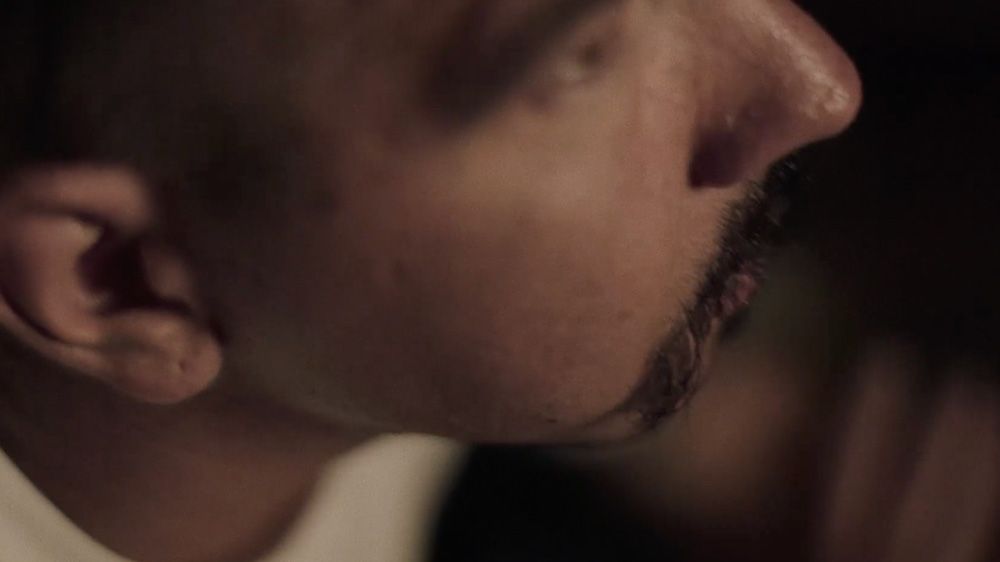
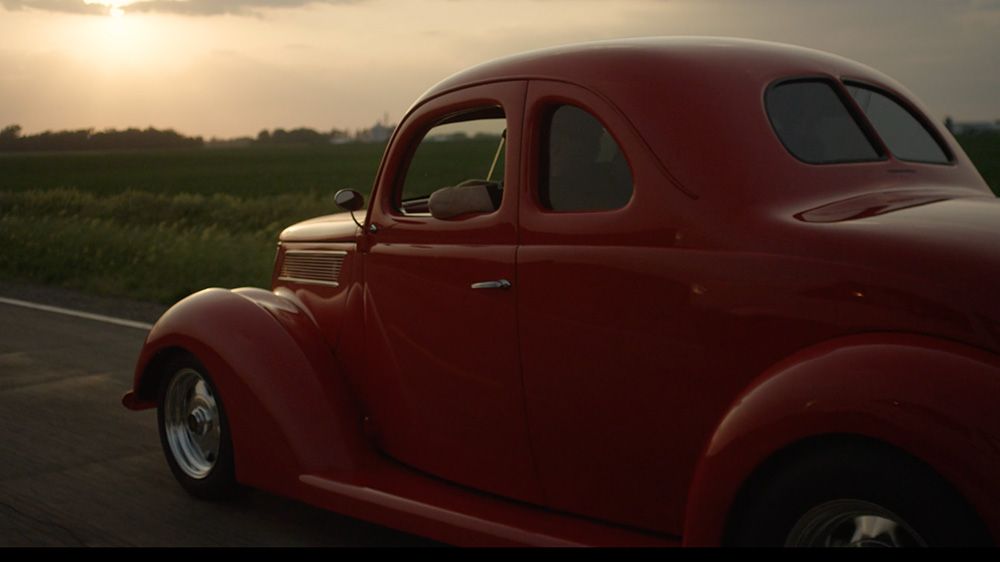
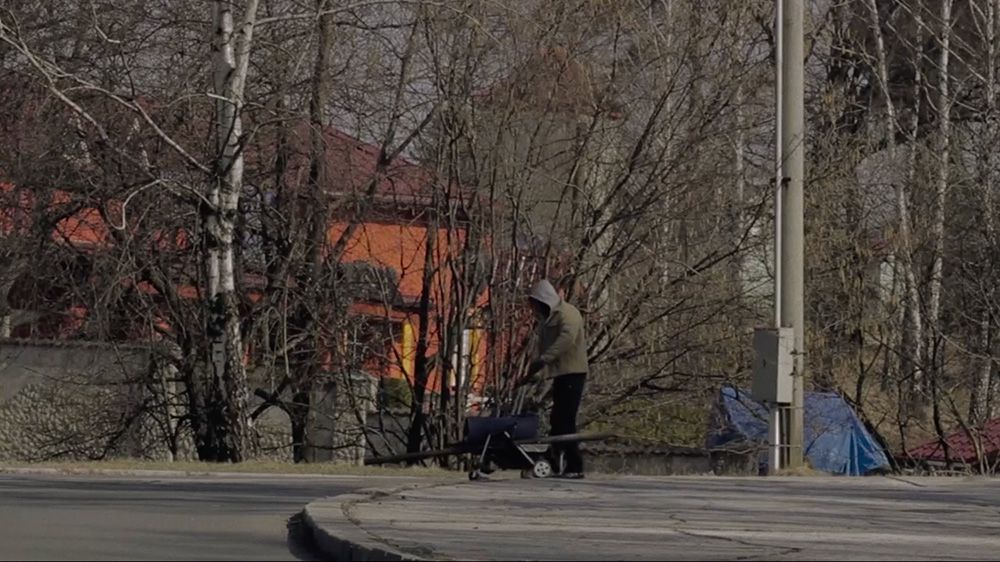
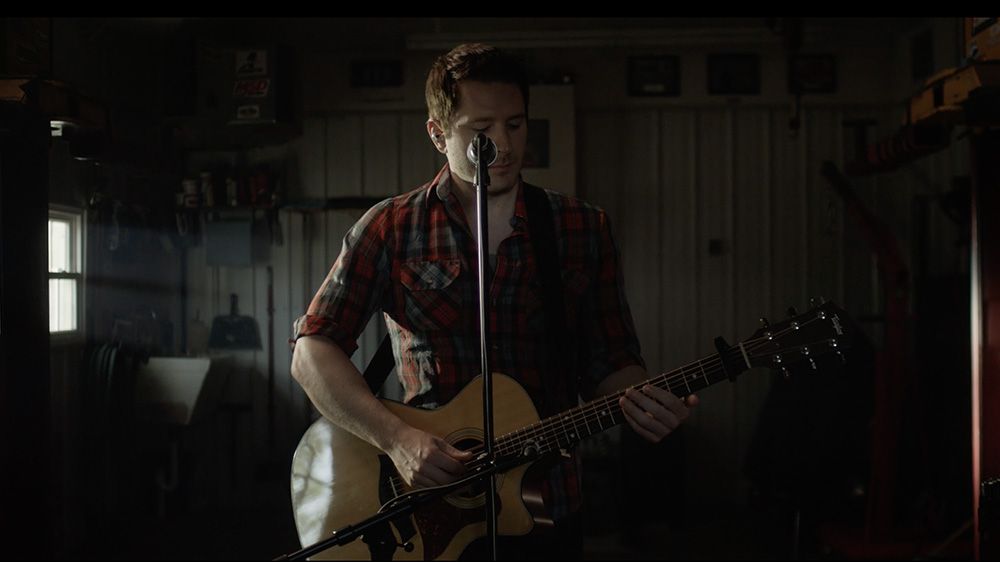
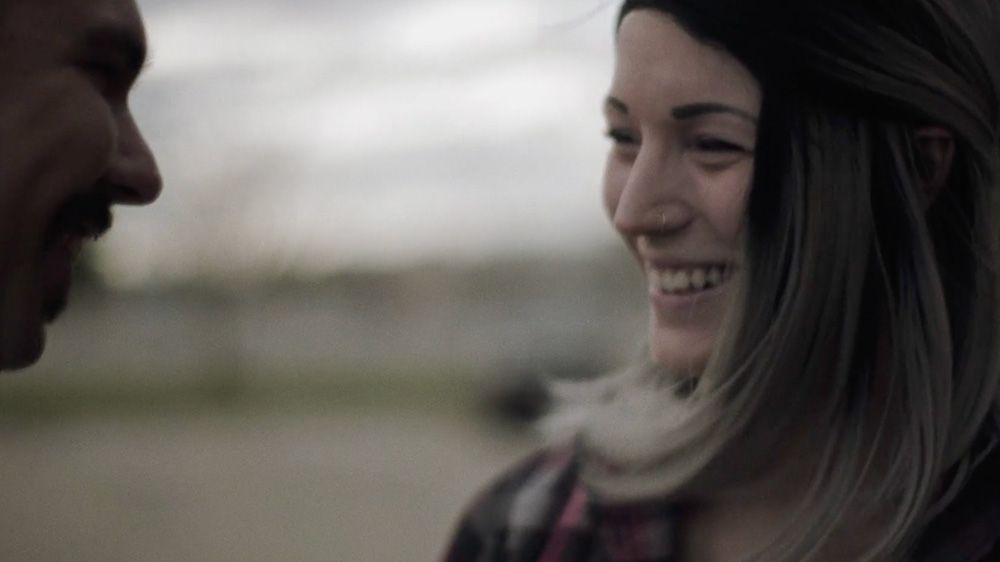
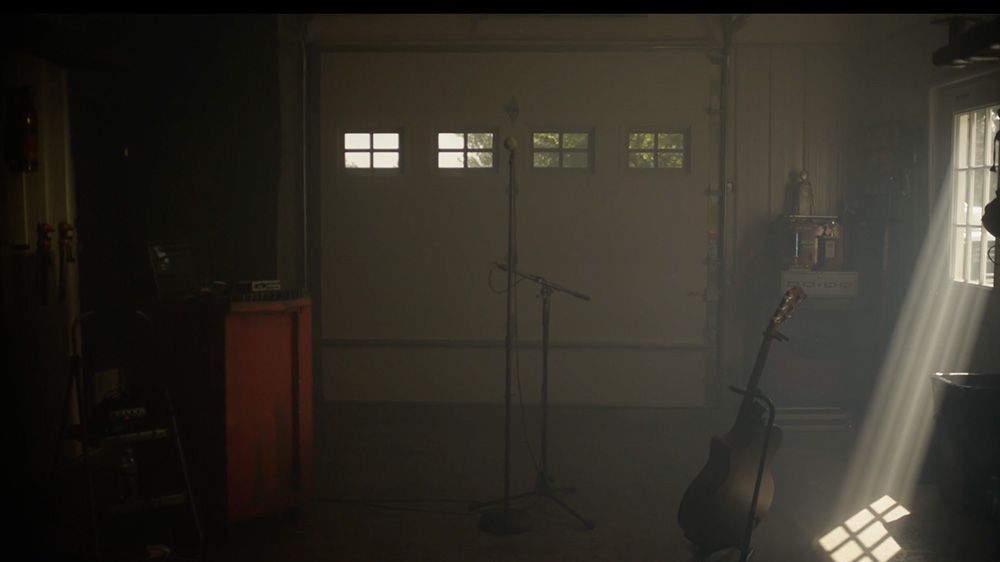
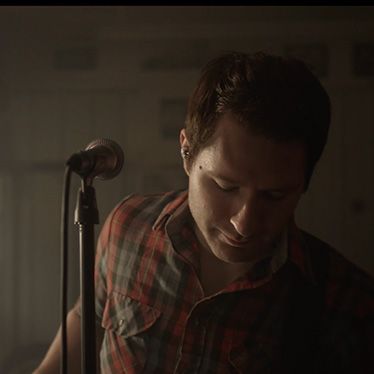
“I live in Abbeville, Louisiana which is just south of Lafayette. I tell people all of the time, that twenty years ago, it wouldn’t have even been within the realm of possibilities for me to be a cinematographer here. It’s crazy these days that you can have all of the things you need as a cinematographer, just dropped to your door! I have just finished shooting a feature length movie here in Lafayette, which I am really proud of. We now live in a really cool world where these possibilities are open to us in ways that were never there before.”
“I am the youngest of seven and I’m the only one to have gone into the creative side of things. I have always loved movies and would make them with my friends on VHS as a kid. We had this system where we could edit off the camera to a VCR, and then with a CD player, make our sound tracks and special audio effects. It was just pure fun to be able to go and create anything you wanted.”
“Like a lot of seventeen year olds, I had no clue as to what I wanted to do in life. Some kids know exactly what they want to do, but I never did. I am thirty-one now, and I didn’t even know that I wanted to be a cinematographer until two and half years ago when I was expecting my fourth kid! So I started my career as a DP, in a totally different universe to a lot of people I know of in this industry.”
“I have always been making videos, so I took as many film classes as my college offered. Finally, I graduated with a degree in broadcasting from the University of Louisiana, but even then, I had no idea of what my true calling would be. After college, I started working as a youth minister for a couple of years, before becoming a freelance video editor doing college football highlights and wedding videos. I didn’t even think of myself as a freelancer. That wasn’t even a term in my vocabulary, because it was all so rudimentary. I just saw myself as this guy that could make videos, and I would try to make some money off of that when, I could!”
“Around five years ago, I was working as a video editor in a real job for about a year, but I realized pretty quickly that I wanted to do far better quality work than what I was getting. It was about the time the whole Vimeo-thing started happening, and I could see all of this really great work coming onto the internet. All of these things were happening with a bunch of new cameras, and so it didn’t take long for me to become exposed to some interesting camera techniques. I was totally fascinated by it all and figured that if I wanted to do better quality work, then I should start my own video production company!”
“I had a good friend who could also shoot and edit, so we started doing commercial productions ourselves. When we first got going, we were two guys with Canon 5Ds shooting b-roll in natural light! That was pretty much the extent of what we were capable of. I did that for about 3 years until I had this realization, that shooting corporate talking-head videos wasn’t getting me to where I wanted to be creatively. I certainly wasn’t going to be shooting movies anytime soon off of the back of that kind of work.”
“I guess my first break, if you want to call it that, came when I shot a music video for some friends of mine who were in a band together. I co-directed and co-DPed this piece with a college friend who had a digital film camera. This was the first time that I had really lit something to make it look as good as I could. It had professional actors and a proper story-line and all of the things required in a good quality video project. It was exactly the sort of thing I had been looking to do for a long time. Right there and then, I decide that was the sort of project that I wanted to do all of the time.”
“So the last two years of my career has been a boot-camp of shooting lower budget commercials and short films for college students. Here I was at thirty-years of age with four kids and a wife, shooting college student’s short films! I don’t think it matters your age, you still have to go through that crucible of learning by simply shooting as many projects as you can. It’s the same way all cinematographers have to start out.”
“Checking off ‘the list’ of working with as many different cameras with different lenses and lights, is something we all have to do in the beginning. However, coming to all of this at a much older age as I have, has left me wanting to do things that are meaningful and more personal to me. Filmmaking for me now, is all about finding collaborators who are interesting and wanting to take some risks. It’s all about finding people who want to do things that are beautiful, challenging and artful. I just want to point my camera at better ideas.”
“The one thing that has become apparent to me, is the transcendental quality to being a filmmaker. I believe that God shows himself in our world in the forms of truth, goodness and beauty. When I look at some of things I have shot, there is this subtext in them that transcends my original intentions. With those shots, there is this message that is way bigger than the director’s or my intentions for the project. It’s like a grander thought reveals itself through the images we create. These things don’t have to happen in a ‘Tree of Life’, Terrance Malick-ee kind of way. These things can be part of the filmmaking process if you allow them to be. That to me is the most interesting thing that I can explore right now.”
“The one thing I am realizing in today’s world, is you can throw a rock and hit a cinematographer. There are just so many cinematographers in the world nowadays. And so I am wondering, what it is that the world needs to hear from me as a cinematographer. If you can’t offer something that is unique to your own perspective, then why do it at all? If I am not really trying to create something that is authentic in the way that I see things, then I am not sure that’s worth me doing this. I am now at a point in my career where I am ready to die on that hill right now.”
“The truth is that I want to be a ninety-year old man with a camera in my hand. So I am really hoping to develop projects over the next couple of years that have that level of openness to them. I just want to concentrate on doing projects that are authentic and honest to me, and have a level of vulnerability to them that I can be proud of. There is only so much of the technicalities that you can learn onset. I’ve stopped referencing other cinematographers’ work now and started focusing more on doing my own thing.”
“As a young DP, I had this perfect opportunity in my mind, where I am onset one day and I have a 10ft technocrane and an ARRI Alexa with all of these Panavision lenses. Initially, achieving that sort stuff becomes very important to you when you first start out. I hit a point a few months ago, when I realized that all of those things were inevitable. It’s just a natural direction in the course of what I am doing now. So I don’t worry so much about getting to that stage, especially if it means, I end up shooting horse-shit that I don’t believe in.”
“I have a wife, four kids and a mortgage and a whole life, that I am supporting outside of my work. So I am still very much in a financial grind. I am hopeful that that I will arrive as a DP one day soon. But at the same time, I am willing to put all of those things on the table and say that this is the kind of cinematography I want to be known for. And if I can’t be that, then I would rather not be a cinematographer at all.”
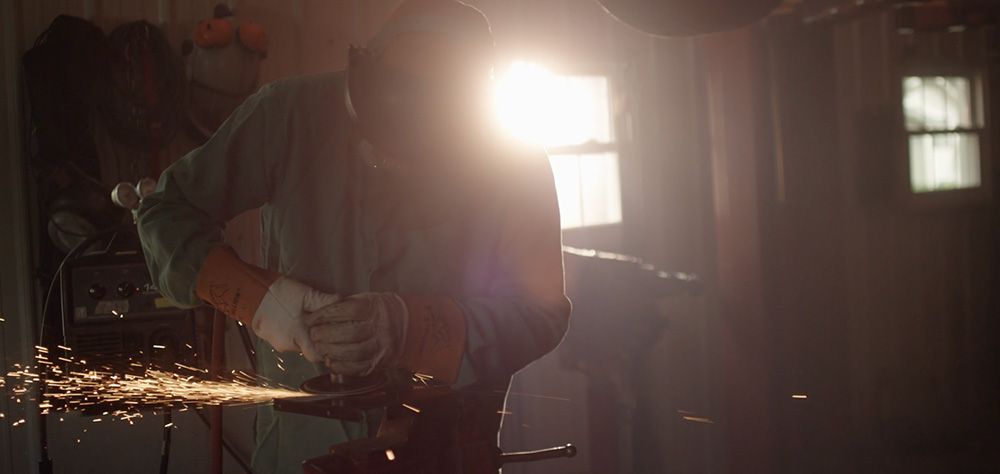
“I want to do work that in some way speaks to the human condition. I guess I am also looking for personal answers through my filmmaking, that I can find after creating an extensive body of work over many years. I certainly don’t want to create what others have done before. I want to find my own voice, but I know that’s going to take some time still.”
“The idea of considering myself as an artist, only happened for me six months ago. I have only recently got my work to a level, where I feel that I am now getting access to some interesting directors. The one project that first stands out to me, is the one I did with director Christian Shultz. It was a community spot we did for the ‘Giles gives Back’ foundation, where a boy who is dying of cancer flies a plane as one of his dream’s coming true.”
“I own a small production company, so when we got this opportunity to do a ‘make a wish’ spot like this, I wanted a really good director on it. I soon worked out that working with these kinds of directors, makes stuff really good. So that was the project that first shifted my focus to working on things that I can be really passionate about.”
“Just after working with Christian, I then shot a music video for Max Haven, who is another really creative and interesting director. We were shooting Max’s very first music video in Baltimore, for Warner Music. I had my Red camera with this really awesome anamorphic lens and a local crew all ready to go. At 5.30 pm the day before the shoot, Max gets a call to say that the artist we were were doing the video for, hadn’t made his flight! So here we are in Baltimore with no artist!”
“Given that Max and I had just flown in, and we had a great location with all of the crew and gear we needed, we figured we had to do something. So we literally started asking around to see if anyone knew of a really good local artist. As it happened, the very first coffee shop we went into was where we met Marley, who was a waitress and an amazing singer.”
“After meeting Marley, Max and I threw everything that we had planned out of the window, and started to work up something new the night before the shoot. So when the crew arrived in the morning, I had to explain to them that things had changed. Twelve hours after meeting Marley in a coffee shop, we were now shooting her music video.”
“Marley turned out to be an absolute rock star who had the coolest wardrobe ever! That project was the complete opposite to Murphy’s Law. Everything that could go right, did. Everything we shot that day was perfect. It was one of those opportunities where the director and myself opened ourselves up to something ‘just’ happening out of nowhere.”
“It was because of that project, that Max and I got to work on Owl City’s music video ‘Not all heroes wear capes’. It’s those sorts of very cool experiences, that make you super hungry to do more of that sort of thing. I am in this very big transitional moment, that I am hoping is leading to more of the kind of work.”
“Soon after that, my cousin’s girlfriend happened to be co-directing a pilot in LA. I really wanted to get some experiences out there, so I said if they could fly me out I would 2nd AC for them. And that’s how I got to meet Peter Ambrosio, who is another super talented director. I really respect Peter’s writing and his sensibilities with his film craft, so it didn’t take long before we were talking for hours about filmmaking.”
“While I was working in LA with Peter, one of our conversations turned to me shooting something he wrote. We then got to talking about shooting a movie here in Lafayette, which really interested him. He got so excited by the opportunity of doing something outside of the confines of LA, that he immediately wrote a forty page script for a short film. It was really good too. And then I thought for that amount of effort, let’s make it forty pages longer and do it as a feature film.”
“Peter’s script is about a girl who breaks up with four of her five boyfriends on the same day, to pursue the ‘one’! It’s a cautionary tale about modern dating life, told through a French new wave art film style; while still being incredibly funny. If you like dialog heavy indies, then this will definitely be your thing. And so, that’s how I came to be shooting Peter’s latest film, ‘Sunday Girl’.”
“I was able to crew up the project using my production team here, while I worked as the cinematographer and producer. A couple of weeks before we started shooting, we had another investor come on board which allowed to do the whole eighty-page script to a really good quality. The sort of quality you expect from an indie film these days. The whole thing has been edited and we are now getting ready to submit it to Sundance. I am so proud of the work we all did on this film, and I think it will stand up as a strong ‘Peter Ambrosio’ movie in the future!”
“I find that you become so involved in the production and it soon becomes an all-encompassing part of your life for awhile. And then it’s in post production, and you move on to the next thing. So I am very excited to get to a screening of ‘Sunday Girl’ where I can see the audience in the theatre watching a film that we have actually created. The idea of sitting in the audience watching a film that I helped make is ‘the dream’ for me! I just think that is so cool.”
“That’s the amazing thing about doing films like ‘Sunday Girl’, it just started off as two guys saying ‘let’s do a feature’. Finishing this film over summer, was a very deep growing experience for me. Working collaboratively with a director like Peter, really balanced the practical needs of being a professional cinematographer, with the artistic needs of expressing things intentionally and visually.”
“That’s the thing with features and short films. As the cinematographer you become very good at helping directors to say what they want to say. A cinematographer’s job is to help directors to speak in tones and moods.”