Jake Sherry
“My parents both come from scientific backgrounds. Dad is an ornithologist at Tulane University, whereas mom was trained as a bat biologist. Funnily enough my folks first met on an island off the coast of Costa Rica where my mom was studying bats by night and my dad was studying birds by day. In addition to being scientists, they’re both extremely creative and always encouraged my sister and I to pursue whatever it was that most interested us. And as a result my sister and I both went into the arts. She’s a violinist in London and I’m a director.
“My mom also has this inability to take no for an answer to anything. She believes that nothing is impossible and there is usually a creative solution to every problem. Over the years I think I have taken on some of her ability to problem solve, and as a director that’s one of the most important skills that I have.”
“Given that my parents were both highly educated, they placed tremendous value on our education and ultimately decided to home school my sister and I. Our parents wanted us to follow our interests and see where that led us. The pro about home schooling is that you have incredible amounts of freedom to explore whatever you want. Ultimately, through home schooling my parents instilled the idea that learning doesn’t stop once you finish school. It’s something you can pursue for the rest of your life.”
“The other thing I remember growing up, is that our parents never separated kid interactions from adult interactions. My sister and I always did what they did and hung out mostly with their friends. However, coming from New Orleans did create some problems. The south is still very much based around adult hierarchies where you call everyone mister or misses. Sometimes I was accused of being rude and disrespectful as a kid, just because I didn’t grow up with that level of formality. I just thought that people were people, and you would talk to grown ups in the same way you’d talk to kids. Because our parents never thought of our ideas as being childish, in our world, we were listened to and respected in social situations. That was just the way our parents wanted us raised.”
“Dad came from a very religious family outside of New York. I think he may have questioned some of the values he was taught as a child, and that ultimately led him towards the sciences. His parents were Born Again Christians, so I think his career in the sciences probably cast him as the black sheep of the family.”
“Both my mom and dad have always loved the outdoors and so do I. When dad was doing his post-doctoral thesis he spent a number of years alternating between Tulane University in New Orleans and Dartmouth University in New Hampshire. As a family we got to spend our summertimes in the woods of New Hampshire and the winter months in New Orleans. So we got to live in these two culturally different worlds!”
“Looking back now, I feel so lucky to have grown up in these two different environments. We also spent part of every summer living on a lake in the Adirondacks where I remember reading this 1920s story book called ‘Swallows and Amazons’. It is about these English kids in the Lakes District, in boats sailing around and having adventures on an island in the lake. We had an island on our lake too. So we would build kayak flotillas and go out to the island to camp, where we would create all of these fantasy worlds as kids do.”
“We didn’t have a TV growing up. Instead, we would go outside and find our own stuff to do. I must have spent countless hours behind that cabin on the lake, playing in the woods, discovering rock formations, and catching frogs. For a few years I was really into keeping turtles, snakes and frogs. And, I figured at that age, I would become a scientist like my parents and grow up to be a herpetologist.”
“It wasn’t until I went to university that all of these experiences from my childhood became invaluable to me in adult life. One of my classes was advanced cinematography, but by no means was it advanced. In this class, we had to break into teams to play all of these different roles in shooting a bunch of short films. Pretty early on in the process, it became clear what some people were good at and what they weren’t.”
“I found that I wasn’t interested in being behind the camera, but I was really good at organizing and facilitating people. So I soon found myself putting the teams together and ensuring we all had structure and focus. Producing and directing seemed to come naturally to me. By rotating through all of those roles in the filmmaking process and being forced to do things that don’t come naturally, I think is an excellent way to discover what you are not suited to!”
“But ultimately, you’ll also find what you can do well. That was one of the things that I noticed from being home schooled, was that I could take a project and just run with it instead of waiting for someone else to give you permission. Because we had been given the freedom to explore our own ideas, being at university simply became an extension to those experiences from our childhood.”
“In college I found other students who were as driven as I was, and we immediately hit it off. So we formed our own little band of filmmakers and just started making all of these projects together. We just loved making stuff. We made all sorts of projects together including my thesis film. Most students did short length films, where I did a 50min short feature film as my thesis. Nobody ever said we shouldn’t do a feature, so we just went and did it. It was an absolute blast and we learnt so much about filmmaking, from just that one experience of doing a longer-form narrative.”
“When I left college I started doing some marketing consulting to a large medical device company. I was quickly bored with that though so I started to push for more creative freedom. I didn’t realize at the time what a unique opportunity I had with them, as they had a very unusual matrix structure where I had access to all of the senior executives. Their marketing team would come to me with an idea about a product and what they wanted to say, and then would ask me to come up with ideas on how to do it!
“Little did I know at the time, that as a twenty-five year old, I had become their de facto creative director coming up with ideas for a multinational billion dollar company. I ended up directing most of their content, and got to shoot all over the world in places like Cairo, Mumbai, and Tokyo. It was incredible.”
“These days, I am mostly directing commercials and branded content. The amount of creative freedom really varies from project to project. I have worked on jobs where I’m given a set of storyboards and I basically shoot them frame for frame. I think you become less of a director with those sorts of projects and more of a facilitator between actors, the crew and the client and agency.”
“And then at the other end of the spectrum, there are jobs where the agency comes to you with a vague brief, and it’s completely up to you to shape the direction of the project. Those are some of the most exciting projects in my mind because there’s so much creative freedom.”
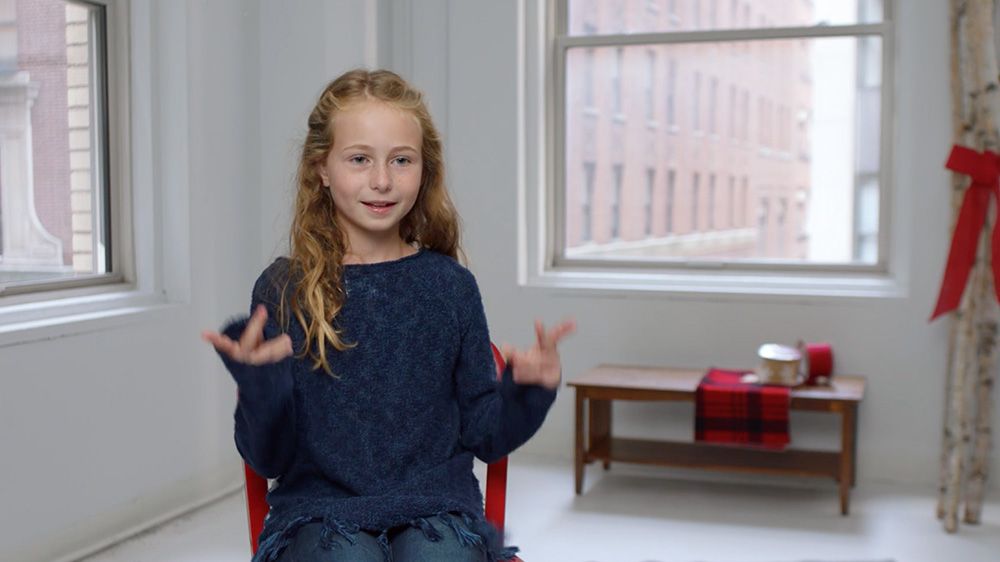
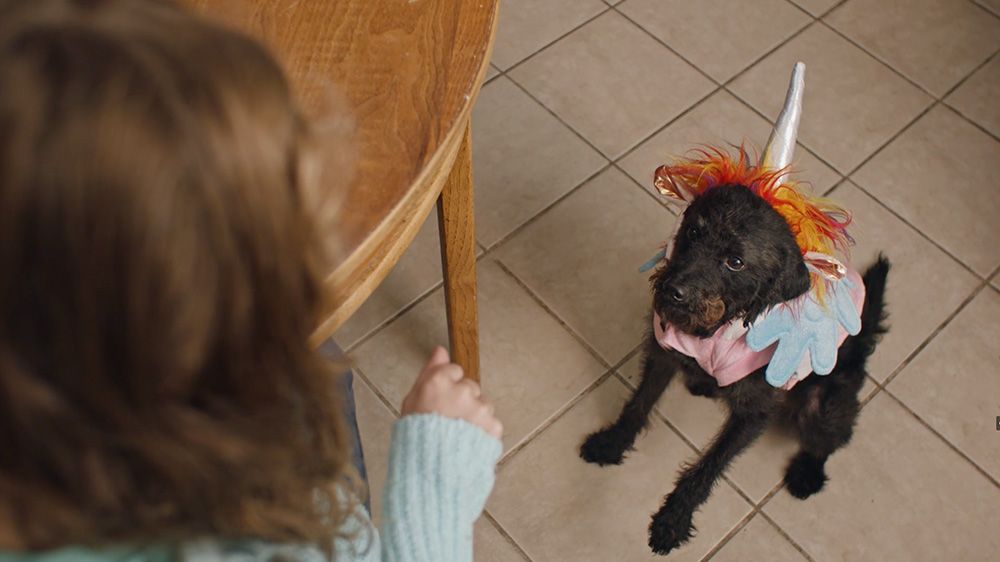
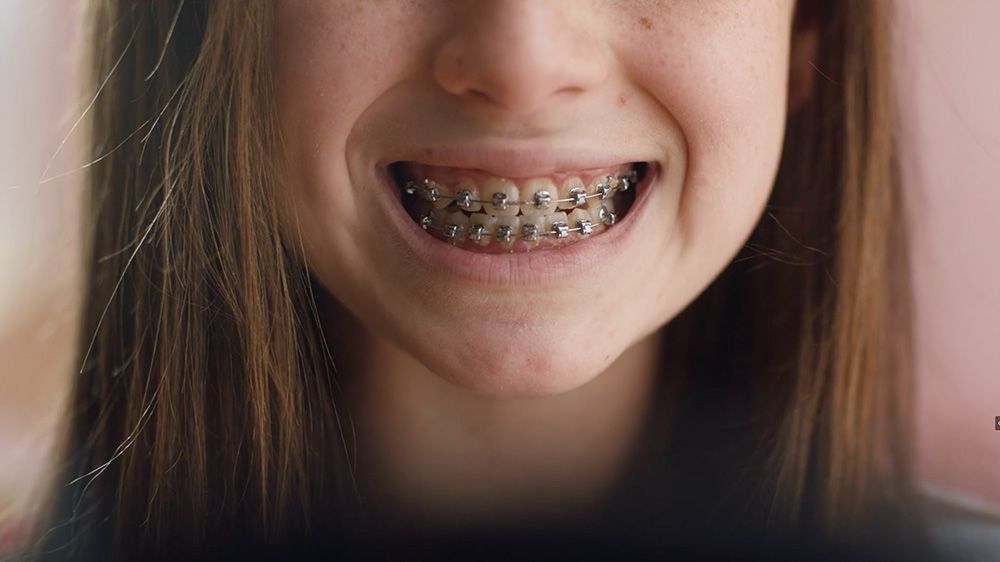
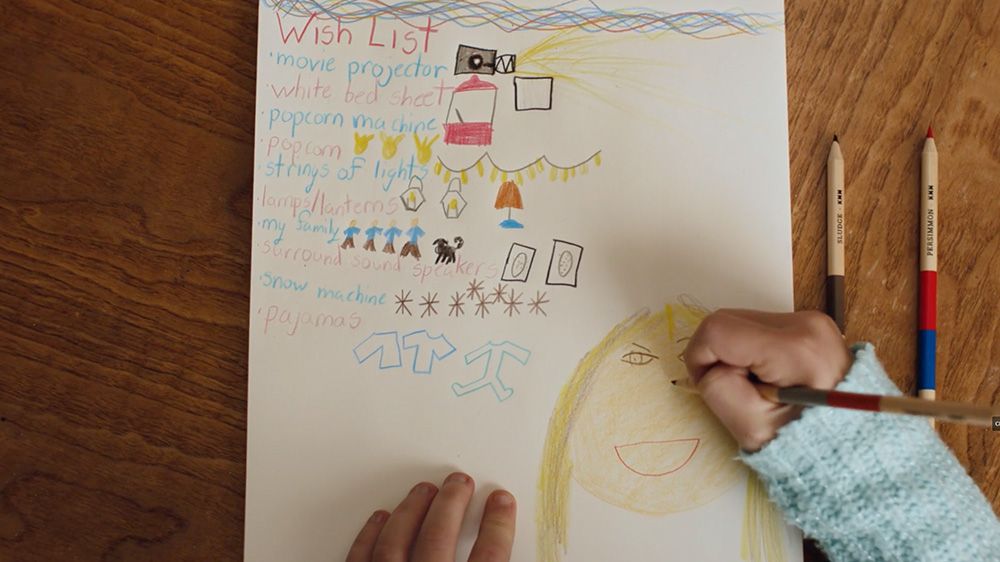
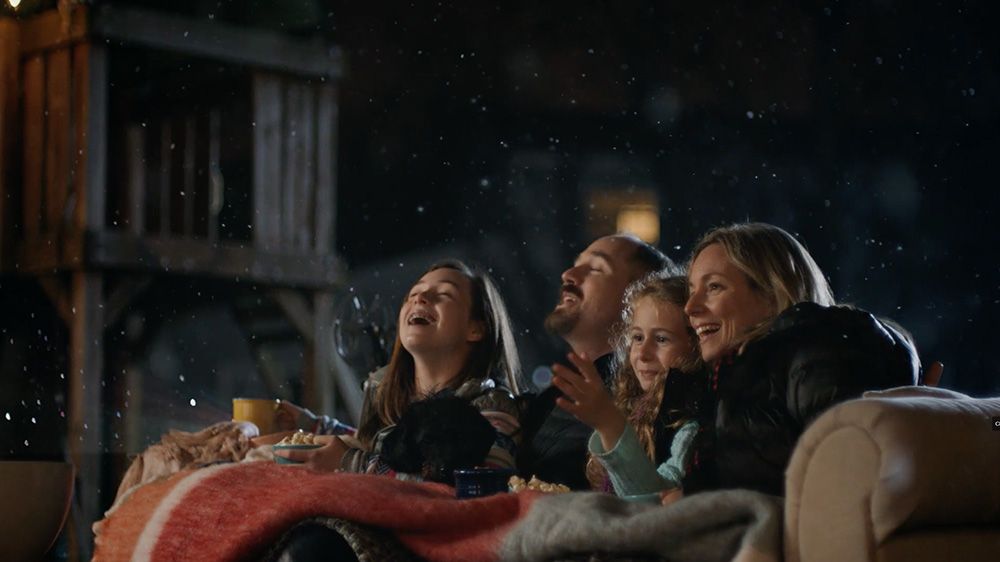
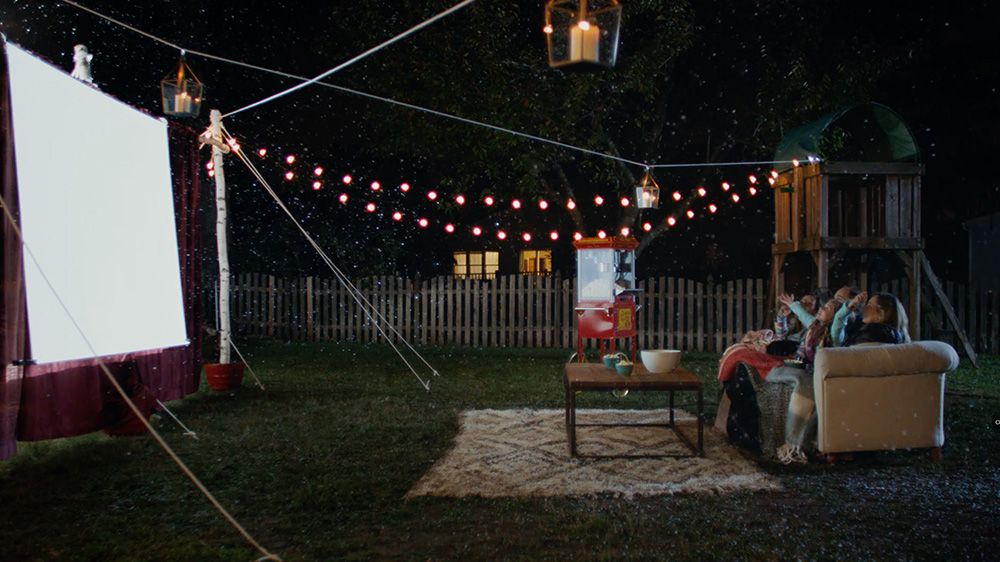
“I had a project for Lincoln Motor Company last year where the brief was to ask kids to make a wish for their parents. It was so wide open that we could literally do anything. So we started by bringing a few dozen kids into a room and interviewing them about making wishes: How, why, and what they would wish for. And we got these amazing responses and ultimately found one little girl who wished that she could make a movie theatre in her backyard for her family. And that wish became the spot.”
“For me as a director, that kind of project is the sweet spot. On projects like that where there’s a loose brief, I’m able to work along side the agency and work closely to come up with the concept together. You become so much more invested in this type of project as opposed to the ones where most of the creative decisions have already been made. To be part of a project where you get to be involved in coming up with the initial idea, is so satisfying.”
“Not every agency is comfortable working this way. I was recently talking to another director who was tasked with shooting an updated commercial (with new talent) that had to match the old commercial frame-for-frame. If that’s not killing creativity, then I don’t know what is.”
‘The advertising world is often risk adverse. There’s so much money involved that it’s safer to follow trodden formulas than to truly try something new. Because of that, low budget jobs are often some of most fulfilling and rewarding projects to work on, because the agency is more willing to take a risk and try something new and different. And that’s when creative magic can really happen”