Gustav Johansson
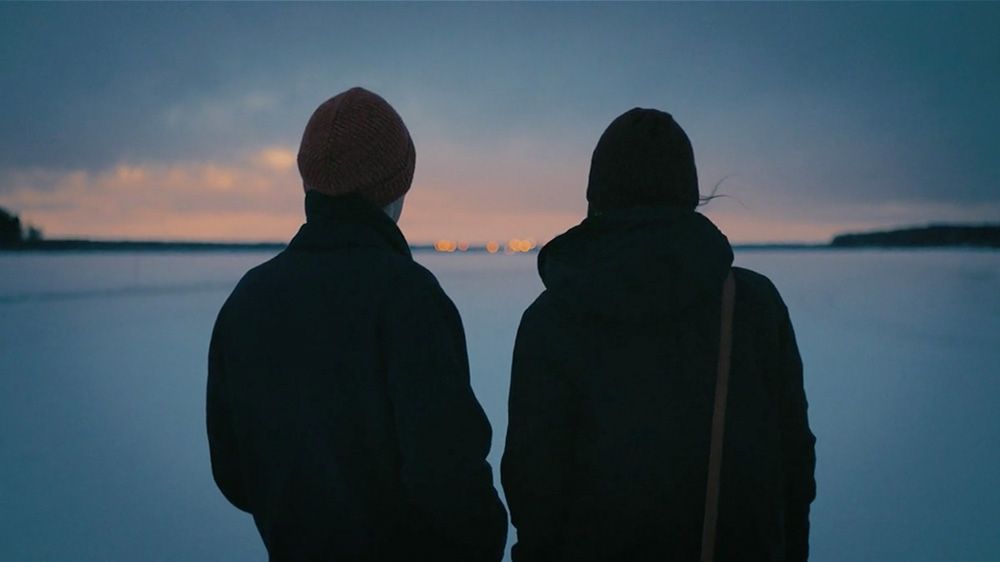
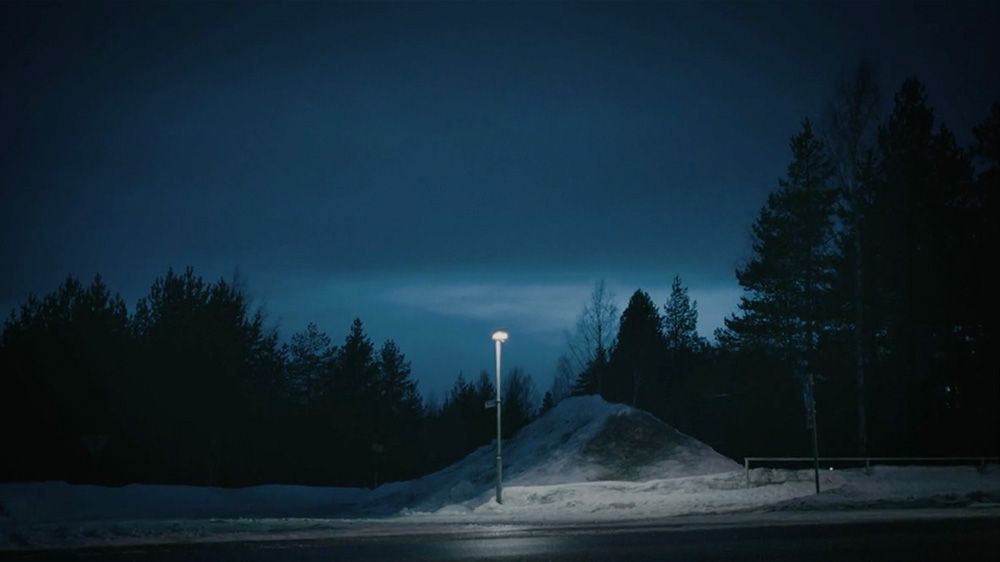
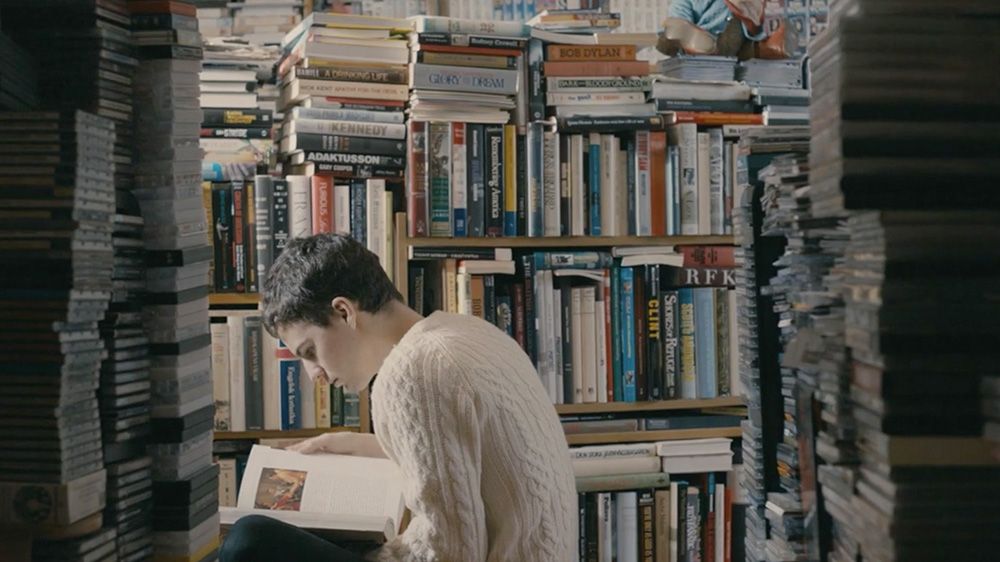
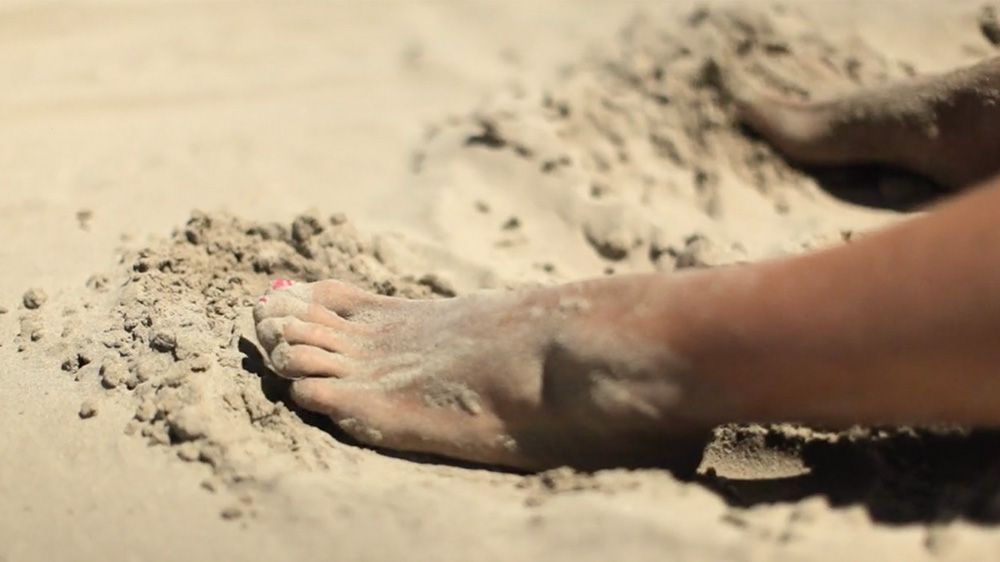
"I guess we learnt a different way of observing things from having a father who is a director. I think seeing things in this way, always came naturally for us, even from a very young age. For example, my brother and I love photography and have always taken a lot of pictures, so I guess that helps from both an aesthetic and technical side to our work."
"We were fortunate while we were growing up, because Dad always had filmmaking equipment like video cameras and stuff to pre-edit at home. We even had access to the first tape to tape VHS editor! So we use to record everything on TV from hockey games to Disney movies. No advanced stuff, just in and outs, but it was great fun. I would spend my whole Sunday morning just playing around on that kind of thing as a kid. We were so lucky, because everything was accessible and fun."
"When I graduated from high school a lot of my friends were into music and trying to put out their own records. By then, my brother Nicholas was already filming, so all of our friends came to us to do their music videos."
"Pretty soon, everybody started to come to us for music videos, even Petter, Sweden's biggest hip hop artist. During all of this, I was also studying at Berghs, an advertising school here in Stockholm. It wasn't so much to do with filmmaking, more about design, art direction and concept development. A couple of my friends were also studying advertising at the Beckman school and called me in to direct a TV spot they wanted to do for a not-for-profit."
"The not-for-profit was ‘Stop The Street Violence’ which was started by Anton Abele, this activist who is now one of the youngest politicians ever, in the Swedish Parliament. Anyway, my friends wanted me to help them out with shooting. The spot we did for Anton went on to win the Cannes Young Directors Award, The Young Guns Award, a D&D In Book Award and a bunch of other awards as well!"
"That was kind of a wake up for me! When I went to Cannes, I got to meet a lot of people and made a lot of contacts with different production companies. We got to do the whole circuit of awards like OneShow and the Clios, where we met even more people from production companies from around the world. And, that's pretty much how I got started. I suddenly realized that I could go into directing, instead of working as an art director for an ad agency. So when I got an offer to start at Camp David Films, it was pretty hard not to go for it."
"I definitely think my earlier training in design and communication helps me as a director. I pitch on loads of projects and receive scripts from all over the world. I tend to try to simplify them down to the core of the concept, so it is important to have a clear idea right from the beginning of what its trying to say. And, this is where my advertising training helps. What I have learnt, is the better and simpler the idea, the better it is going to work out when shooting."
"What I try to do with TV commercials, is to stick to the core and build on only one idea, which I really learned, while I was at advertising school at Berghs. It's all about trying to simplify stuff down to the core of the idea. This can be a real problem with filmmaking, because it's so easy to get lost in the craft. You have to start somewhere and really work on the script and the concept, and not to move on too quickly!"
"I still work on being disciplined like this, myself, because sometimes you get too excited about the production and how you are going to craft it. I always push myself as hard as I can, to stick to working things out at a script level first."
"I self learnt production, editing and my skills as a DOP. Directors of my age, are really the first generation that had the possibility of working like this. When I first started four years ago as a director, I did my first projects on 16mm and 35mm or shooting HD on video cameras. So we were the first generation that could be really hands on working in Final Cut and being able to doing the color correcting and just playing around with motion graphics for example."
"It is so easy to learn this way when you are younger and have the time to just play around. It wasn’t so serious back then, so I just spent a lot of time just doing stuff and learning to play around with film. I learnt a lot about myself, just sitting for hours and hours trying to figure out how to do things. I think that's a really good way to learn these days! You not only learn the craft, but importantly, you learn how to use it in a narrative way."
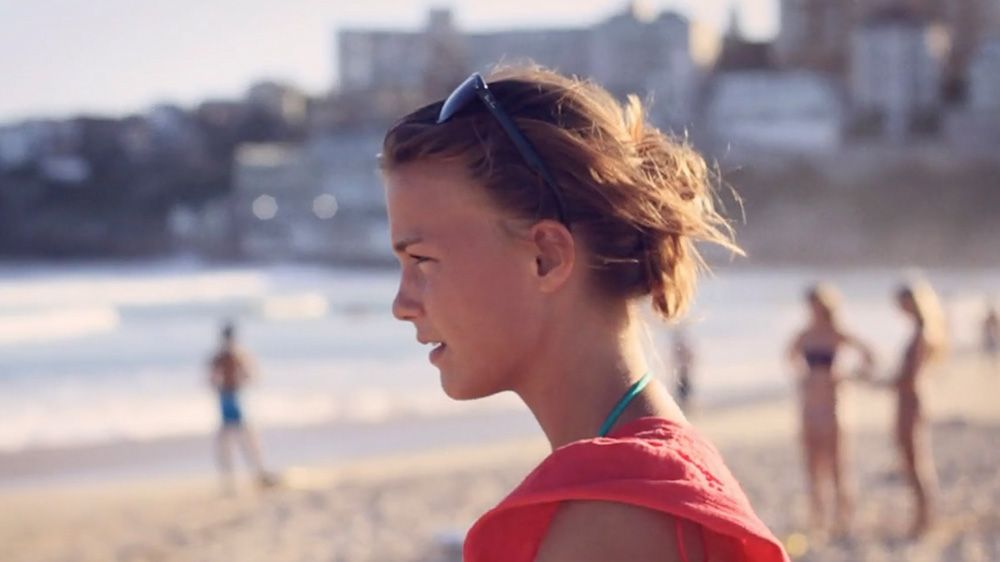
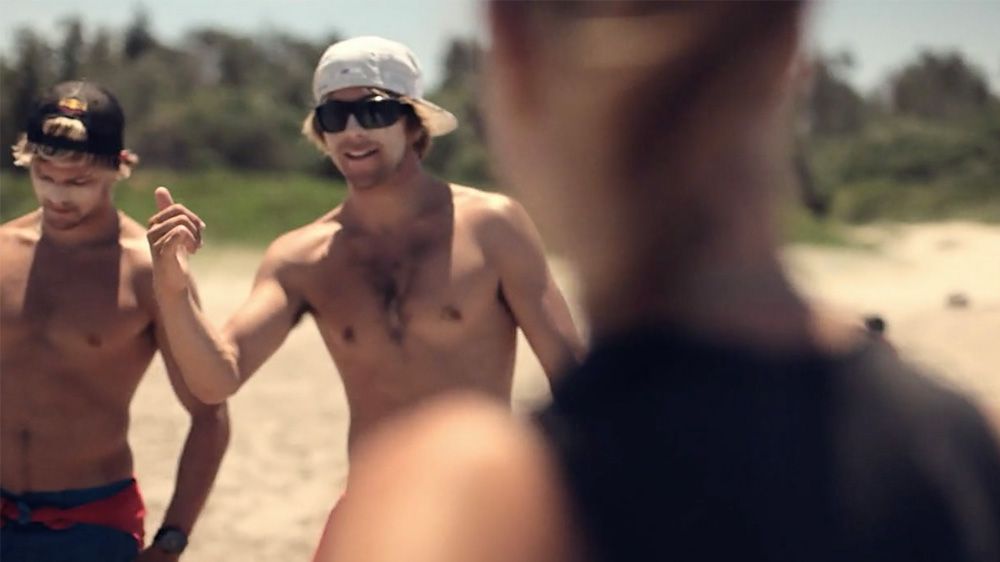
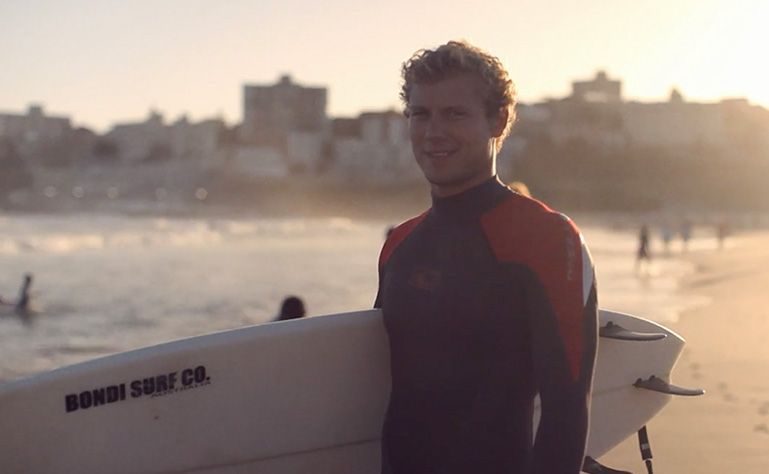
"I have kind of developed my own cinematography style, where the relationship between the camera and talent is very natural. It's sort of where we just follow the characters! I realized that this approach gives a lot of authenticity to my work such as my TV commercial 'Live the Language'. We always keep this relationship with the talent you see, without interfering or telling them what to do. Instead, you are observing and following them, almost like you are another character in that particular scene with you as the director letting them set the rules. And that’s why I love to work with natural light, so I don’t have to complicated things with lighting setups. With natural light, the characters can move the way they feel is natural for them, without thinking about where to stand or what to do."
"In this way, we can allow a little bit more for accidents so the whole thing becomes more spontaneous. I don’t want them to be structured or limited by the technique. I want them to be natural and real. I don’t think films like ‘Live the Language’ could have been shot even five years ago. Because we shot them on a Canon 5D it opened up a lot of opportunities in terms of locations, and importantly, the way people react to the camera. These days, things are so much different to what they were five years ago."
“We try to see our people as personalities and not actors. It is more like casting personalities and allowing them to be themselves rather than directing them to do play a role. I am not a big fan of creating too much of the character at script level and then telling them exactly what to do with a particular role. I'd rather find that character at casting level and together with them, build it. I think that helps a lot with the final performance. It must be the personality that comes through the camera in the end."
"I always try to think about the relationship between the camera and the actors. Then I think about who will be observing all of this, so it doesn’t become static in terms of the dynamic between talent and camera. I always see the camera as another person observing things, and that has become my style of directing."