Greg Flannagan
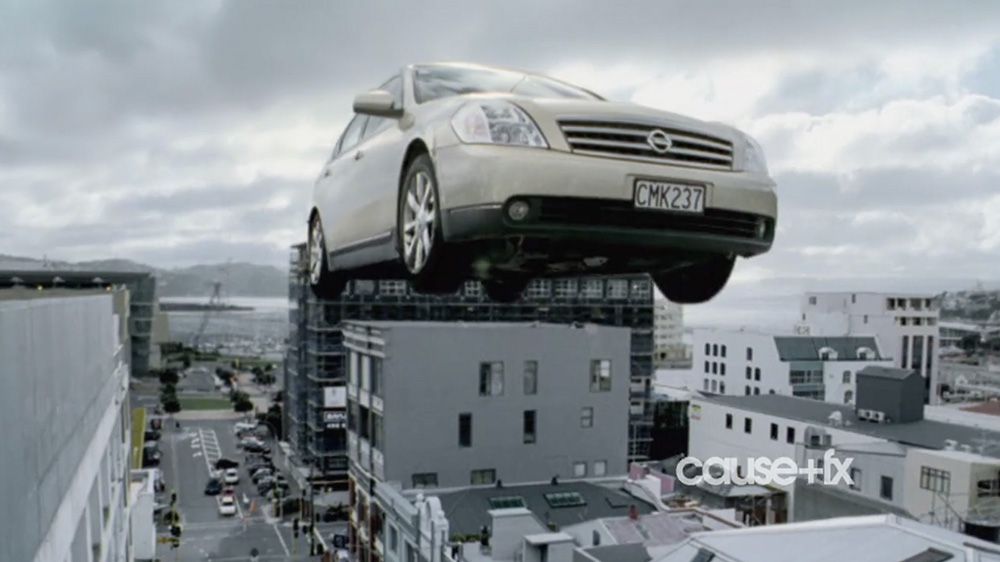
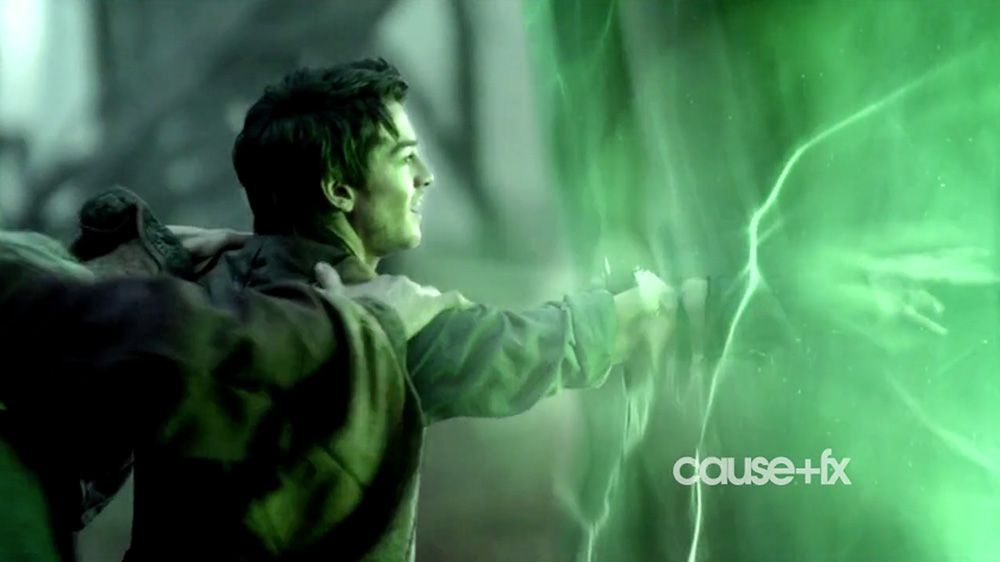
"I think what tickled my fancy most about software development at University was the problem solving side of things. The reality for me, was that real world of software coding was devoid of creativity and I found that I was often working for weeks on bugs that would fix a rounding error on a database report! I found it all mind numbingly boring."
"By nature, I have always been more of a creative person. So I decided to drop a fairly promising career in software development to get my diploma in visual effects. After graduating, I landed a job at Digipost as a runner making coffee for everyone. It was the typical journey: five years of university education to start at the very bottom as a runner!"
"My dream was to work on a Flame, but I knew if you ever wanted to work on those sort of systems, you had to work your way up through the ranks. Fortunately, I didn’t have to spend too much time as a runner, as I was soon working my way up to doing TV commercials in under a year and a half."
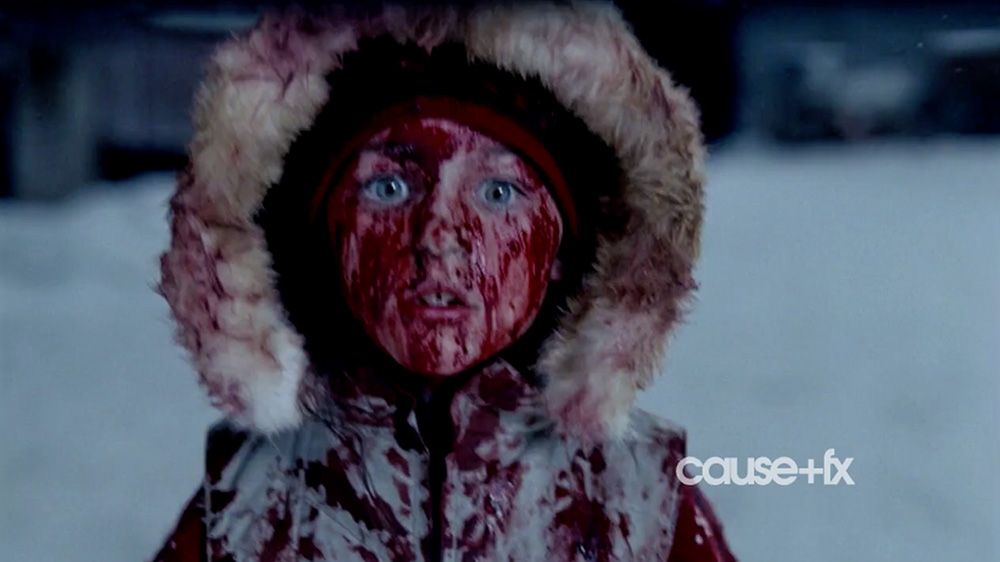
"By this time I was starting to work solo on quite a few TV commercials. Then I got to work on my first feature film called '30 Days of Night'. I was fairly junior at that stage, so it was a big deal for me to be getting involved and testing things early on in the film's development such as trialling the VFXs."
"I was working with the other flame artists on how we were going to develop all of the vampire effects. The distortion to the actors faces was quite significant, but at the same time it was subtle enough to look realistic."
"Around that time I took a year off from post production. By the time I returned, the industry in New Zealand had changed and the number of big TV commercials wasn’t happening like they used to. Fortunately, Digipost had always engaged in longform as well as TV commercials, so that work was still going on in the background."
"At Digipost I continued working on film, such as ‘The Warriors Way’ and TV series ‘Legends of the Seeker’, these were great projects to sink my teeth into. It was really cool to get into longform, as I feel it tends to hone your craft when you are working on the same thing for the next ten weeks or more as opposed to a couple of days or weeks on a TVC."
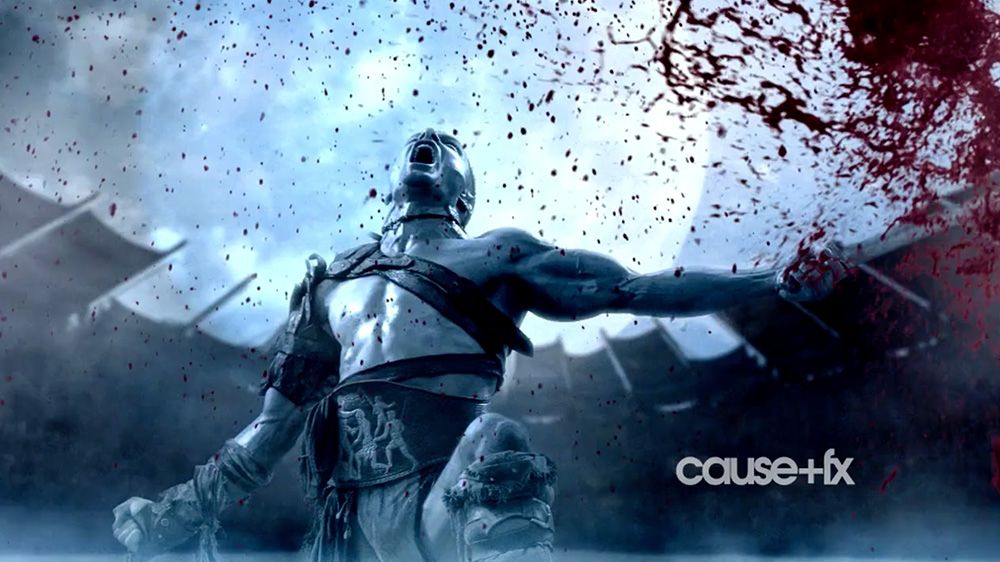
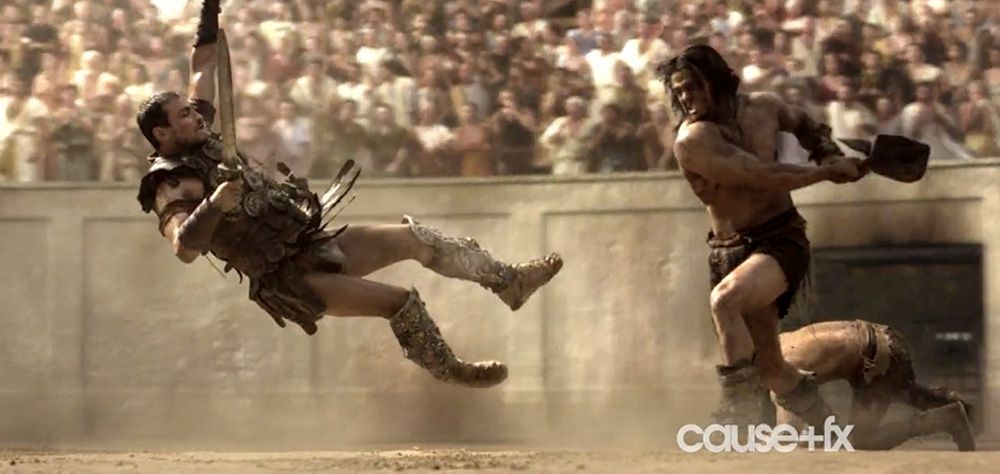
“That’s pretty much the evolution of how I came to be working on 'Spartacus'. I started working on the team with Paul Dickson doing all of the arena scenes for 'Spartacus'; these were usually the more complex scenes to be working on with this series. And then quite quickly, Digipost split us into two teams with Paul leading one team, while I was given the responsibility to lead the second team."
"Throughout the Spartacus project we became corner stone artists typically entrusted to lead the teams. It was all blood and boobs with this series, so there was never a dull moment. We have become grand masters of a particular type of gore, I guess we will both require therapy one day!"
"When we started Cause+FX, the industry was in New Zealand was in the midst of quite a change. We saw an opportunity to create a service that was more agile and flexible to those changing needs."
"Our aim was to offer our clients the best possible, but at the same time we didn’t want to scale up and suddenly increase the overhead dramatically. So our solution was to partner with the very best key creative people on each project. In this way our clients got the very best on offer and we all shared in a great project."
"With Spartacus for example, we wouldn’t know for a few days before starting an episode what the volume of shots would be! It could fluctuate massively, so we needed to have some way of scaling our team, so we partnered with trusted people we knew. And that approach has worked really well for Cause+FX. The technology has helped us level the playing field and the whole thing is about talent now!"