Erik Naso
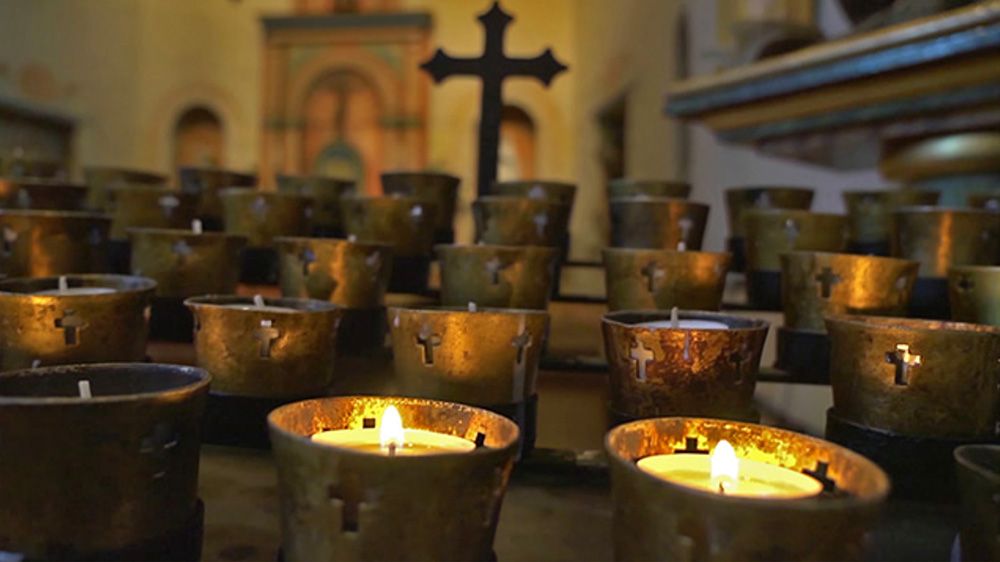
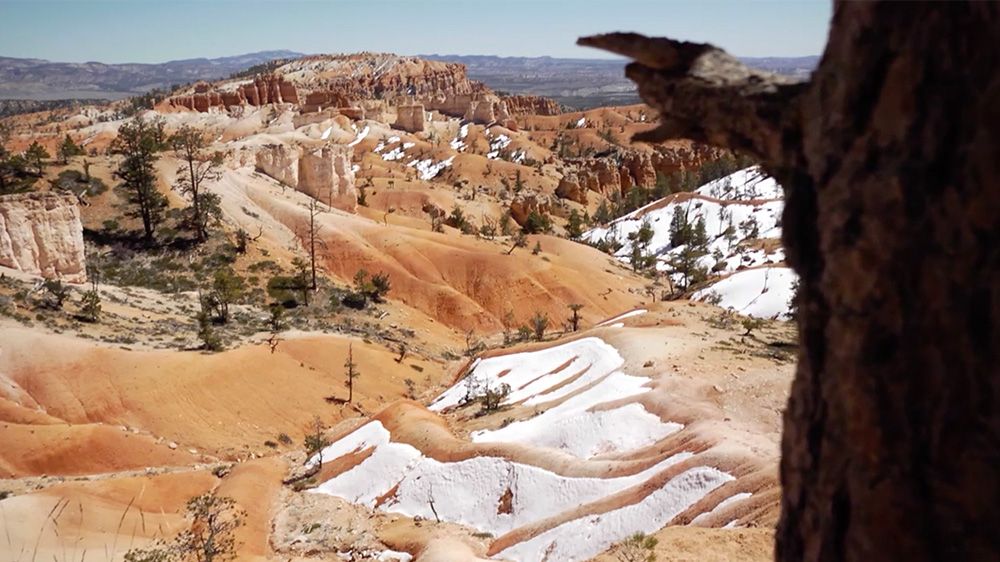
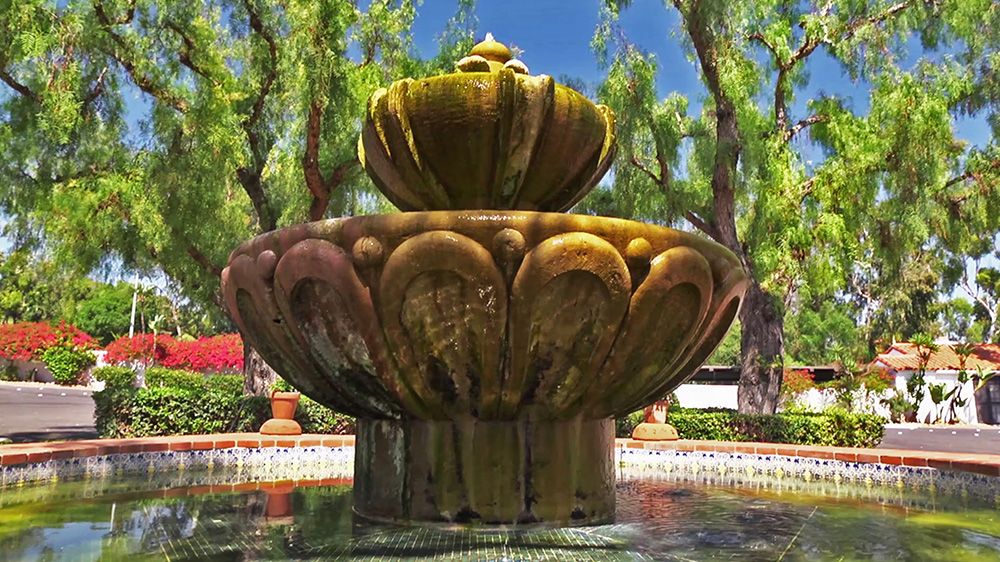
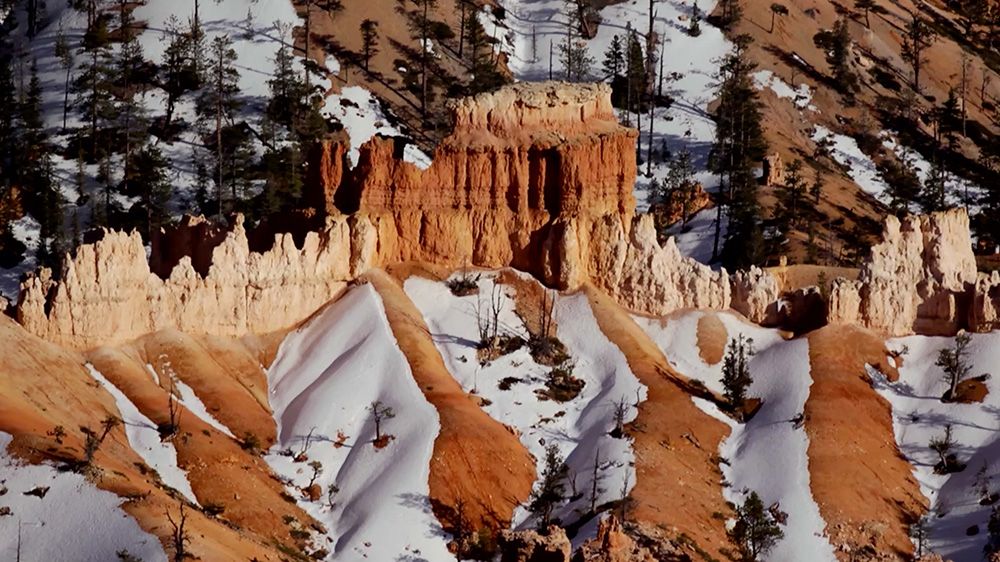
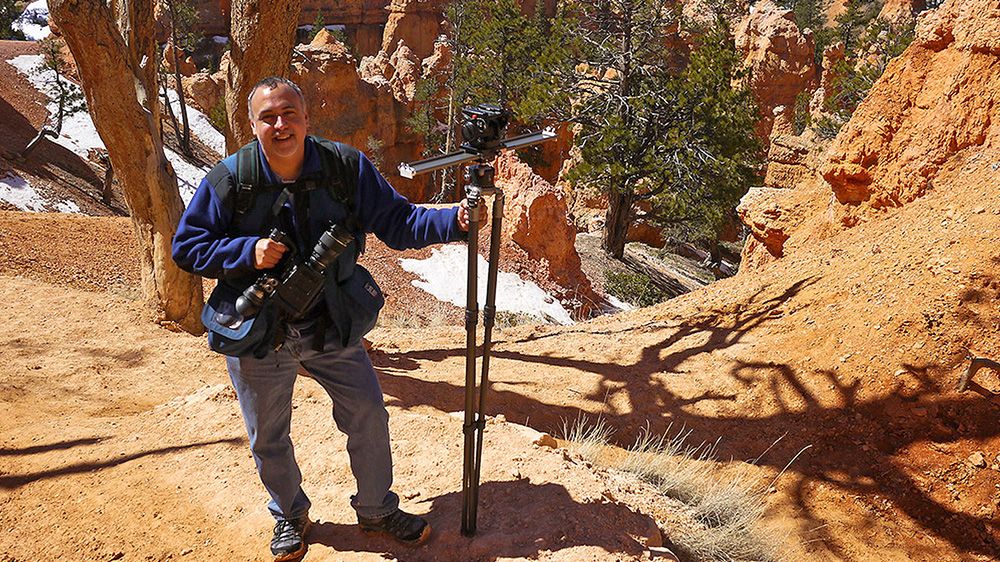
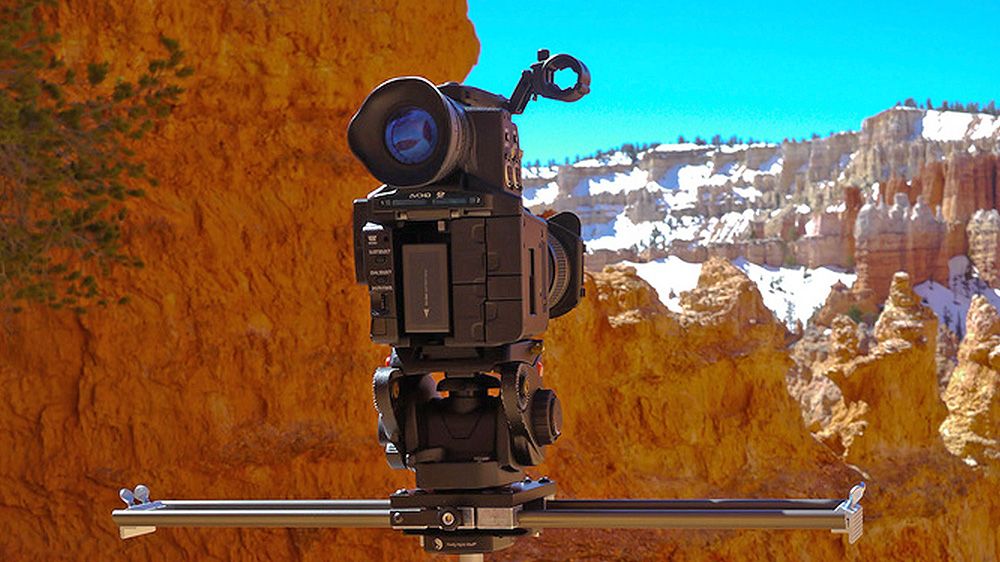
"These new DSLRs and CMOS sensor cameras are real game changers. I know that term gets used a lot, but this really did change things for me. These cameras allow you to do things that are almost cinematic. Let's face it, they help make your home video look like a movie. Once you embrace the flow of using still lenses with motion... and you slow down and think about your lens choice - everything changes creatively. For a pro news guy like me, being able to do documentaries has helped me find my creative passion again."
Erik came into this industry through music. A wannabe rock star, Erik played clubs and bars with his band until his mid twenties. "I was pretty convince that music was going to happen for me until I had my first 'Ah-ha! Moment'. I am an artist and I've have always been one. So the big question from then on, was what to do if it wasn’t bands! And that’s when I decided to get into broadcast.”
Erik telephoned the local Bakersfield TV networks immediately expecting an internship. To his utter amazement, every time he called he was turned down! It wasn't until he called the last news director on his list that he got some interest.
Walt Brown was the news director at ABC affiliate, KERO in Bakersfield. "I was so grateful to Walt for giving me my big break in the business, that I worked night and day to show him how good I was." After only four years, Erik became head DP at KERO. "I stayed loyal to KERO for twelve years until I decided that I wanted to learn editing. You see, in smaller markets such as Bakersfield, editing tends to be the domain of the journalist and not photographers."
To have total control of what he was shooting up to the time of broadcast, Erik needed to be in a bigger market. "I was just getting going with shooting and editing at KOVA-TV Tucson in Arizona, when I got this amazing job at a new station starting up in Phoenix. When you get to create a new station in less than four months, you get the pick of the talent. So ABC hired the best team of people imaginable. It was almost intimidating working with people that good. We all wanted KNXV-TV to be No.1."
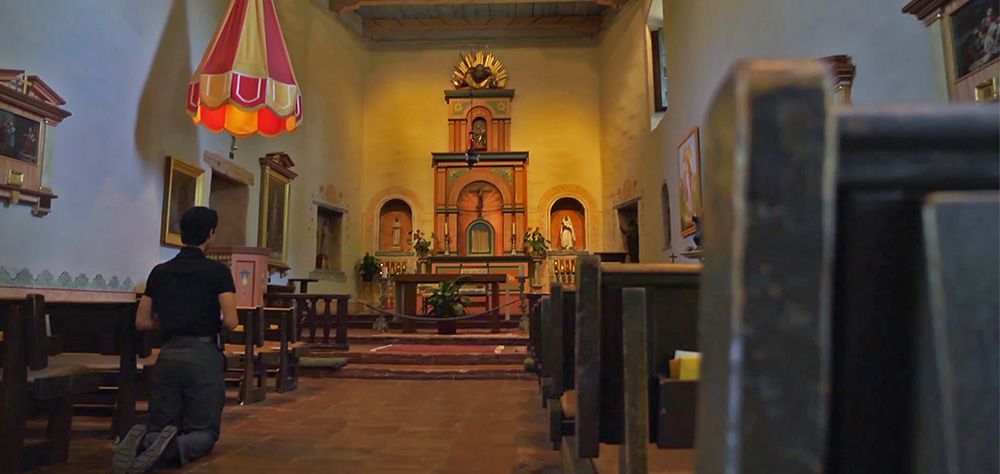
During his time in Phoenix, Erik wanted to work more on the art of news story telling. "I did more sequencing, more natural sound and far more creative stuff. Working in longer format news gathering, such as investigative journalism was intense. We used hidden cameras, lipstick cameras and some other really cool stuff in this job!"
"We were doing some really progressive work at KNXV, so much so that WTTG FOX 5 in Washington DC offered me a job. That was a really good place for me. I was a shooter, an editor, and a producer in a consumer investigative unit. I won a lot of Emmys while I was in Washington.
You can just imagine how many stories you can find in a big city like that. I also got to work on my lighting techniques as well. You'd be up early shooting, working late editing and then 'lawyering' all the stories. And, inevitably re-editing them before going to air."
"I grew up in a creative family where we often spent vacations photographing the High Sierras. So when NBC San Diego wanted a journalist on the team, it seemed the perfect choice for me. Being back in California was like completing my 'bucket list' of things to do in life. NBC San Diego were rachetting up their investigative and magazine type formats, so I was able to step across from Washington DC into a growing market.
For the first two years, I shot a load of news on general assignment. But I decided that wasn't what I wanted to do long term. I wanted to get far more creative and to become a producer. But like I said, 'in life you gotta make your own opportunities.' It doesn't matter how good you are at something, you've still gotta make things happen."