Chris Bahry
“As a kid, I attended a music school, so the visual arts fell into the background for a while there. When I finally got to university, I had stepped away from visual design and film and started to think about a life in biomedical visualization. To do animations or illustrations for text books, of course required me to have a degree in biology. I guess this was a way of me trying to find a practical path that would give me a job and still allow me to be creative as well.”
“At university, I finally got my hands on a graphics computer, which was a total epiphany for me. Once on that path, I started to lurk around the engineering faculty reading everything I could find on rendering and computer processing. It was at this point in my life, that I first became a rendering addict! There was no turning back from that moment for me.”
“Once I was down that rabbit hole I was gone for good. I was only two credits off finishing my biology degree when Bruce Mau offered me a job with his studio. This was an epic opportunity to join such a world renowned creative house. It was effectively like being back at university, because I spent all of my time reading and studying up on things to do with design. It was like serving an apprenticeship under a whole bunch of really talented mentors from all of these different fields. There were senior graphic and techno graphic geniuses, architects, brand thinkers - and they were all leading experts.”
“At the Bruce Mau Studio, I became the wiz kid that everyone wanted to rope into their team. I had the basic chops to pull things off and all of the energy in the world, so I was also willing to go at things non-stop until they were resolved. As you can imagine, that experience became the most amazing apprenticeship I could have dreamed off.”
“Not only did my experience at Bruce Mau's teach me about design, but it also showed me the possibilities of what a studio could be. It demonstrated to me that a studio could also be a real place for study and learning, as well as work. So it was a really hard decision to leave them. I remember it took me months and months to find the courage to hand in my resignation. It was a really tough one for me to leave such an amazing company, but the draw for me to do motion design was overwhelming.”
“I was really interested at getting heavily into motion design and picture arts in general. So when an audio friend of mine heard that the Ebeling Group were putting together a new shop in Toronto called NAKD, it sounded like a great opportunity. It was a clean slate and here was a chance for me to come out as a motion designer. At first, I thought I was joining a studio of creatives, but it ended up being just me and another guy. That was it!”
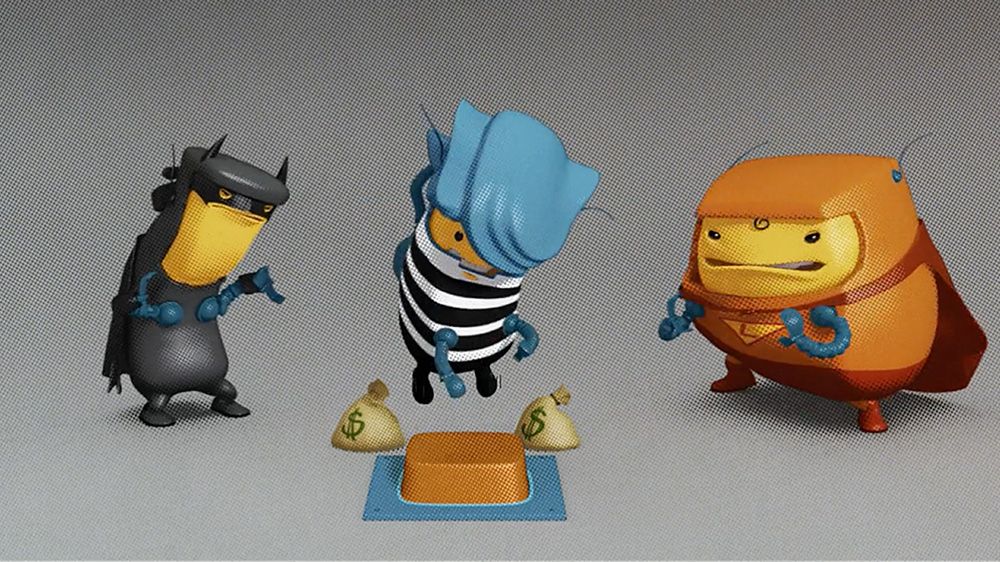
“Fortunately, I had been working on a few experimental pieces and was looking to get some more projects going. However, not having any commercial projects on the go, it seemed like the right thing to come up with another experimental short to showcase out abilities. Basically, we were going to have to build a portfolio for this business. The first project was ‘The Box’, which ultimately won us a Cannes Nomination and a Saatchi’s young directors award.”
“To get this first project going, I knew it was going to be too ambitious to do alone. It needed at least 3 people. When I was asking around for help, I saw this amazing work being done by Alexandre Torres in Rio. What I had heard of Alexandre was that he was super talented and had been freelancing with MK12 and some other directors out of New York. Alexandre was described to me as that character out of ‘Pulp Fiction’, the one played by Harvey Keitel. When something is totally impossible, you call in ‘The Wolf’ who figures it out and just gets it done. Well that’s who Alexandre is.”
“At the time Alexandre was working in Brazil and I was in Canada, so we did this super intensive month long project all from different counties. This collaboration turned out to be a real success, not just in the acclaim the ‘The Box’ got at the time, but it was such a powerful collaborative experience. We both knew that we just had to work out a way in which the collaboration between the two of us could continue.”
“I remember proposing that he come and work in Canada, with the idea that he would come for a couple months. I never imagined that he would leave the beautiful climate of sexy Rio to live here permanently. It’s now been seven years that we have been working together as a team. There was never an agenda, it's just one of those things that folded one another. We then pulled in friends to work with us and things grew in this natural and organic way. I guess our working together grew by spirit rather than by an agenda.”
“We were exploring a creative brothership here and the only way you can do that was to really push the boundaries as hard as you can. Under great pressure, Alexandre and I found that we could come together and create things very effectively, which showed to us that there was something there. And it was obviously working well! Pressure like that can do the opposite to some collaborations and ultimately destroy friendships. But for us, it just seemed to solidify our resolve and camaraderie.”
“After a number of years we realized that we both wanted something we could take to the next level and have responsibility for the direction. What seem to make sense to everybody, was for us to just simply part ways with our current employers. It was a really tough decision to make, because we had absolutely no financial backing in starting Tendril. There was no fallback plan, so we had to make this thing work.”
“You could say that we started off in emergency mode, almost ten steps back from where we had been. We literally worked out of a closet for the first six months. A friend of ours had an architectural visualization studio and he had some space and a render farm. So we were able to work out an arrangement with him, where we could shack up there for a while.”
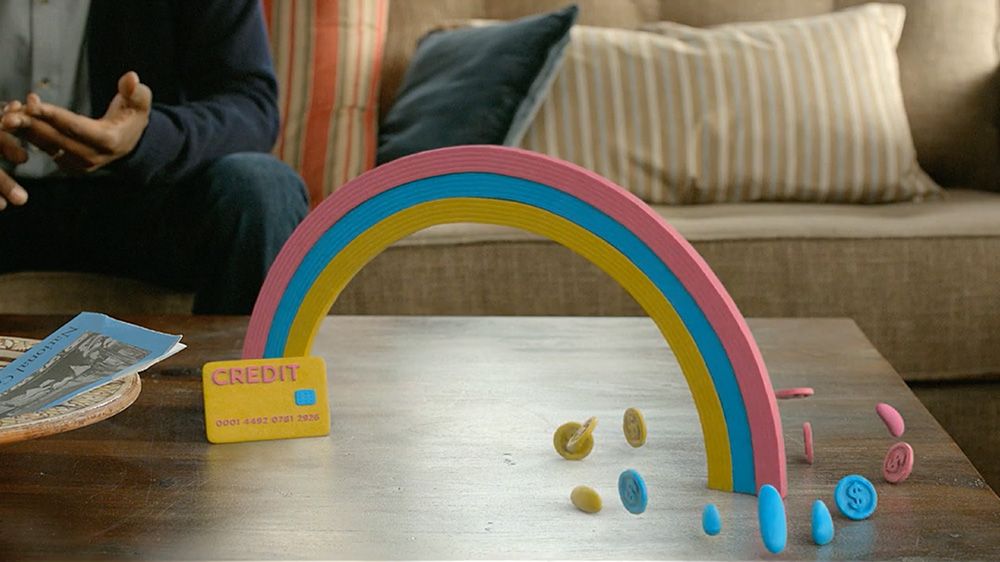
“Luckily, a couple of jobs came to us at the right time, such as a documentary called ‘Surviving the Future’ and a piece for Renault. Those initial two projects put enough gas in the tank to get us going. But in those early days, we really had to hustle for work. Anything we could get our hands on we did from print through to motion design. We just did anything and everything to build up a ball of stability for us.”
“It became obvious pretty quickly that needed new offices by this stage, so we started talking to a few people about some shared space with a like minded creative company. We knew Kate Bate at 567 VFX and Relish from our time at NAKD, and they had just moved to new offices in Adelaide Street. Our enthusiasm for all of this must have been infectious because Kate let us came aboard. We took our 5 cardboard boxes of stuff and the few computers and headed over to Adelaide Street.”
“One of the great benefits of working with 567 VFX and Relish is working alongside editors. That has completely changed our workflow. Discovering that editing was the hub of how we should work as animators was a really big thing for us. It changed forever the way we look at our work.”
“These days we still do a heap of experimental work, because we don’t want to lose ourselves in commercials like other studios. That’s not to say that we don’t love working with our clients, because we absolutely do. We have such willing and trusting clients, and we feel we have a duty to them to be as creative as possible. To achieve this level of energy, you have to creatively play all of the time. You have to explore your passion and visions for things and it’s only through experimentation that you can truly take it to the next level.”
“It has always been important for us that Tendril allows experimentation to thrive here. The commercial work we do allows us to go and experiment and push boundaries for ourselves. This in turn means we can take crazy risks with our clients, with them having the confidence we will make it all work beautifully.”