Cameron Vaselli
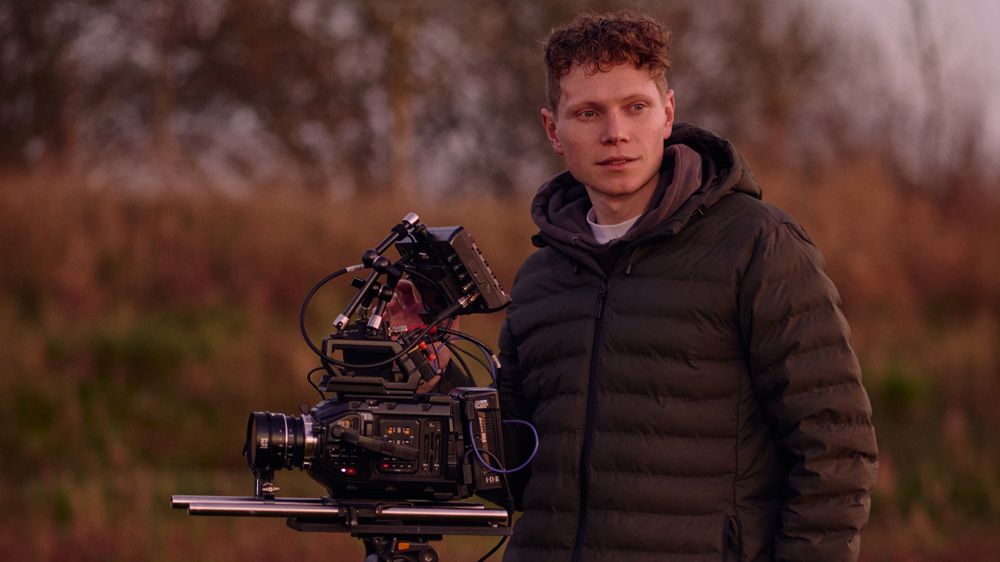
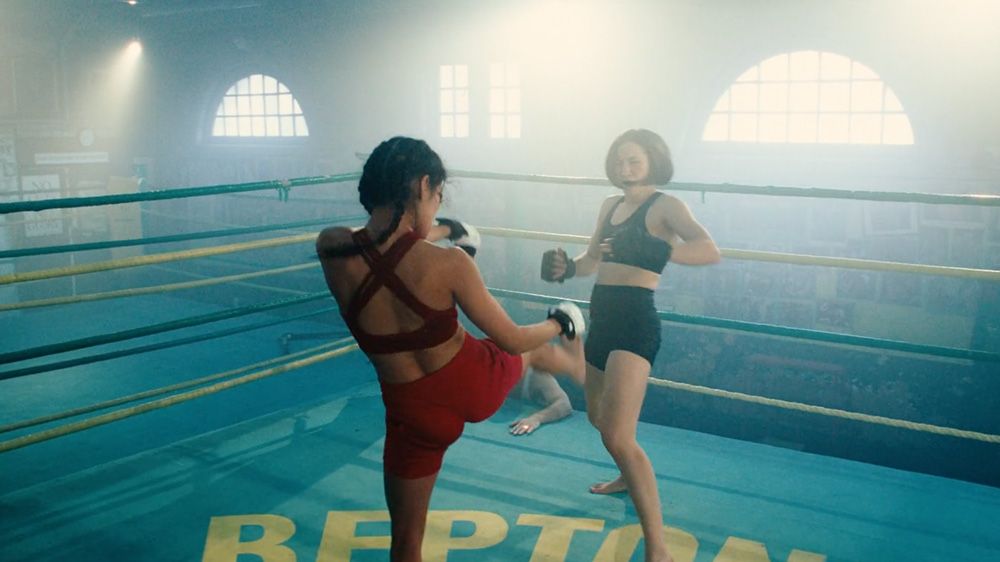
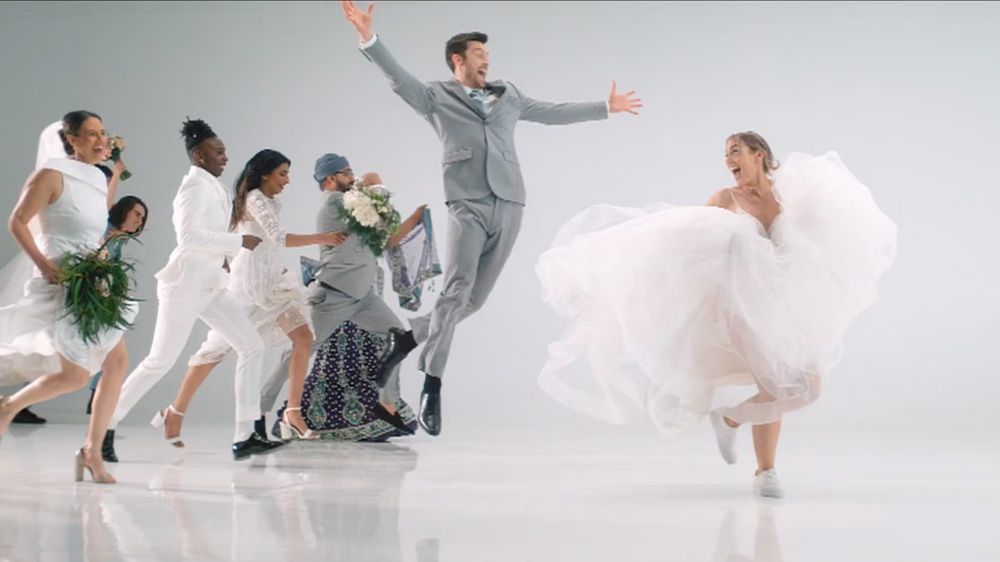
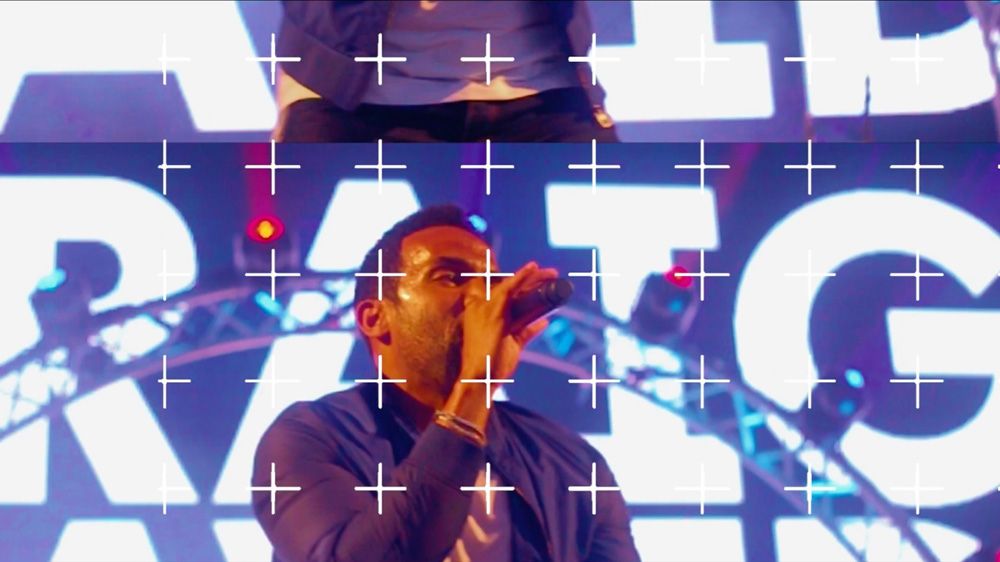

“The creative streak was always there from my earliest memories, where I just loved making things. I suppose my first interest in film came from having three movies on VHS, which I played constantly until I wore them out. It's funny how you can learn so much about filmmaking just by watching the same film a hundred times over. I sort of miss that today. Instead, we watch things only once on demand and then move on to the next film. You never get to study a film and appreciate its creation. We just consume and binge content like a commodity.”
“As a kid at school, I played Xbox all of the time and didn't socialise much. I did have a small group of friends that I muddled through school with. Although I studied mostly business subjects, my favourite was Simon Davies' media studies class. Whether it was designing magazines or making movie trailers, he always made it interesting.”
“By the time I was sixteen, I would spend every weekend making our own films with my friends. I was super inspired by Freddie Wong, so mostly we were creating terrible action-style films. The benefit was, the more we made these films, the more I learnt about working with people. The whole process taught me how to adapt as you quickly learn you can't always capture what you see in your head! We shot on everything from camcorders, iPhones to DSLRS. And so by the time I finished school, I had actually shot a lot of things.”
“Having so many films on my reel, is what got me into the film program at the University of London. More quantity than quality, most likely! Film school was a time of contradictions for me. I had always wanted to be a director, but while I was Uni I never got to direct anything, as those opportunities seemed to fall only to the loudest in the room.”
“My first year was a discovery of cameras and lenses. Second year was this awful mess of group projects, some that workout ok and others were a disaster. And then my third year was a time of running out of money, that compelled me to start shooting commercial projects. Everyone I lived with at Uni, all came out of private schools, even the students from overseas. So I don't think they had the same financial pressures I had. Mostly, they were focused on doing what they should for the best grade, whereas I was all about getting paid projects to keep me going.”
“I can recall one group assignment where I was the colorist. I had spent hours doing the grade only to find the student director had turned off my grade, and submitted the assignment in LOG! Simply because they didn't like my creative approach. I asked them how I was expected to be assessed if they had just killed my grade! They didn't seem to care for anything other than their own reputations.”
“I was starting to get more and more work shooting music at this time. I was flying to Dubai every couple of weeks and building up a pretty solid reel outside of film school. Some of the students began to hear rumours that I was shooting a ton of projects and even asked if they could have my EDM footage for their grading assignment. What I learned from film school was to only work with filmmakers you can respect, and who in turn, also respect your creative talents.”
“My take out of film school was simple; if you're hungry to be a filmmaker and you have a camera, then the best school is the school of just doing it. I don't really think University gave me anything I couldn't have given myself. The only exception I would say is if you are socially reserved. Then it is a good way to make contacts for the future. But if you are creatively driven as I am, then doing it yourself will be far more helpful and emotionally rewarding. I just found the whole experience to be much harder than it ever should have been.”
“Things really kicked off for me with an event called Blackpool Rocks, where I was asked to be the second shooter for a couple of beers! Martin Garrix the famous Dutch DJ was playing, who was huge on the EDM scene at the time. The one thing I was told never to do, was to go on stage. But while I was shooting there was this brilliant shot that I just had to get! So I broke that cardinal rule and started shooting closeups from the stage. I got into a lot of trouble until I saw my closeups being used in a BBC documentary a few weeks later! And after that, the work started to magically happen.”
“The organiser was great friends with another famous DJ, Danny Howard, who was the host of Radio 1's Dance Party. They asked me if I could do the music video for his new track? And at that point, all the pieces came together for me. If I do the EDM events for whatever they will pay me, then I will get to meet the DJs producing all the music. Who in turn, will introduce me to their management, and from there - well, that then leads to commercial work! And so the roadmap now made sense.”
“To keep the bills paid, I worked behind the bar at Wetherspoons, which is a British pub style restaurant. My best mate Henry, who is also my go to editor worked in the kitchen. We had been best mates since we were kids shooting action films, so we've always been inseparable. It was while we were working in the pub that I was introduced to an events company called SIX15 Group. Well, they had a bunch of DJs and musicians that they represented doing events all over the world.”
“This was back in 2014, when you would get paid a hundred pounds a video, which doesn't sound like much now, but they had a ton of work. As soon as we got this gig, we both quit Wetherspoons, taking out a credit card and maxing it on an A7II and lenses. Before long, I was doing all of the biggest events in Manchester. And getting pretty well known too. And then I fell into shooting food, fashion and corporate gigs. It was all word of mouth, and it just got bigger and bigger.”
“Ray Chan, the CEO of Candypants, which is this massive party brand, reached out asking if I work for them. I thought it would be up and down the UK in places like Newcastle, Leeds and London. But then he says, I can be his UAE team working in Dubai! So here I am at twenty-one flying to the UAE every couple of weeks shooting these massive events. I remember the first gig I shot, they said, ‘slow down mate. You don't have to shoot everything. Take a break and have a beer or two'. But that was the whole point of it. All I wanted, was to shoot everything! This was my dream come true. I was now working as a commercial shooter in really cool locations.”
“Doing so many events of this kind was like training wheels for my career; which then propelled me into the commercials world. I was on this roller coaster shooting in Serbia, Miami, and doing everything from ULTRA to TomorrowLand. I got busier and busier, and then started to employ some of the people I had gone to college with. Before I knew it, I had a sizeable team of young filmmakers to call on.”
“We then started our own creative agency called ‘Bad Habit Collective' based out of a studio in Manchester and London. The Manchester studio was based in a fashion house, where mostly they were startup fashion brands. So we were doing fast turnaround commercials with no real creative direction, early on.”
“Film is very organic, whereas fashion is highly crafted and manufactured textiles, so this was the point where those two disciplines began to blur together for me. The head of the fashion house Jamie, wanted me to take the creative lead and develop a narrative for each commercial. I started to think more about creating the imagery, rather than just capturing that moment in time. Creating unique scenes and developing a more refined pacing for the edits had me in this new hybrid headspace that I really enjoyed creatively.”
“But it was all getting bigger and bigger, the better our films became. I soon found myself managing teams of creative people and running a business. Sure, I was finally making some really good money, but I was becoming more and more distant from picking up a camera. Where I came from in filmmaking, time was a luxury. I became seasoned at making good, strong creative decisions in the moment. There was a surge of energy and confidence that comes from operating like this. As an agency creative lead, I soon found that other creative people love to savour the moment, reflecting upon their ideas and taking as much time as it takes. Now that's not me! So the more success we had, the more I wanted to return to my roots as a creative filmmaker.”
“Being involved in the direction, shooting, grading and editing is what makes me the happiest and most fulfilled creatively. Having a successful commercials agency helped me to understand that. And, although the business side of the industry was fun, it did nothing for my creative soul. This is something that is specific to my generation of filmmakers, I think. Being able to work in this super cut-back process is really only possible because of the changes in how we can grade, edit, collaborate and shoot!”
“While I was doing the agency, I bought into all the RED hype and paid twenty thousand pounds for a Scarlet-W. That I might add, I had to get my dad to guarantee the loan. I think he only agreed when he saw me flying to places like Hong Kong to shoot a restaurant commercial. In fairness to my father, I was only twenty-two at the time, so it was also a big leap of faith for him. And so quality then became the most important thing to me.”
“When I was shooting hotel commercials for the Raddison Group and the Edwardian Group, I needed a much smaller form factor. I was just about to buy a RED Komodo when I was asked to direct a musical-style commercial in London that was full of dancers. This was a directing job only.”
“So when I met the DP and camera crew I was bemused that they were shooting on a little Blackmagic Pocket Cinema Camera. I figured that they couldn't afford a RED, so I offered them mine to use. They just smiled and politely said, no thanks!”
“When they rigged the camera and showed me the footage in Blackmagic RAW, I was literally blown away. It looked beyond fantastic. We were constantly following the dancers inside and out, which is where the dynamic range and BRAW really kicked in. I got home that night and thought I've got to get one of those!”
“The next week, I had a fashion shoot in Dubai, so I found a secondhand BMPCC 4K for only eight hundred pounds. I thought, screw it, what could go wrong? The files were much smaller than RED's, and Apple's ProRes, and the quality was amazing. So I felt like I was on a winner with this camera. I decided to also purchase a speed booster to get more of a full frame look, which I really wanted given my RED was only S.35. All I kept thinking was this is the future for my sort of work. And so I've been working on all of Blackmagic cameras ever since.”
“The industry is changing right now, which I think is really good for guys like me. The industry has always had gatekeepers, and unless you had the right representation, a lot of projects were off limits. When I was twenty-five, Chief came on as my representation, which was amazing. Having them rep me, got me some great directing opportunities like the Jet2 adverts, and helped me move more into mainstream commercials work. I am now finding myself pitching against BAFTA award-winning directors on music videos, so it shows the world has definitely changed.”
“Henry my editor has been working with me on a micro-budget feature, just to test the idea of micro productions. To properly cost something like this means you need a proper script and production plan. I am finding this is where my mother's creativity and my father's business cunning is starting to really work for me. These types of projects are all about playing to our strengths and taking everything we have learnt about lean productions and transferring that to narrative filmmaking.”
“At the moment, I am seeing BAFTA award winners doing 4-5min super shorts for thirty thousand pounds. I keep thinking that won't become a trend! So for my crew, it's all about writing scripts that can be shot and produced on micro budgets that have the right production values for Netflix and Prime. With so much demand for features and episodic TV at a time when budgets are rapidly falling, it all comes down to quality scripts, that can actually made to a budget.”
“I have worked on TV show runners before and it all becomes very formulaic. They take a similar idea and spend millions on trying to transpose that plot into different worlds. How often do you watch a series and by season two or three, you think, ‘hmm well I am kind of getting bored by it all now.' When you're working on something of scale, how much creative input can you really have?”
“For me, the next challenge is really getting to know the tools and technology. And then working out how all of that can support the scripts we're currently writing and costing. It's always about working things out and seeing what happens next. My advice to young filmmakers remains the same. If you are creative, then just get busy being creative, and the next paying project will find you. There is nothing that gives people confidence, than when you're being busy creating films.”