Ben Davis, BSC
"We were some of the first skateboarders in the UK, and very much part of the skateboarding scene here. I was actually pretty good and was able to go semi-pro, getting a few endorsements and magazine work. Although this was my first love of creative expression, the skateboarding scene didn’t fit at all well with my schooling."
"I did go off the rails a bit at this time, leaving grammar school earlier than I probably should have. However, my love of discovery and artistic ambition ultimately saved me from myself. I had always been into photography as a kid, having a lab set up in the attic of our home where my father and I would and print our own B&W photographs."
"Creatively, that’s where I thought I would always go. So, my first job was working at a photographic printing company as a trainee printer. In reality, I spent ten hours each day in front of a drying machine bagging up photo prints!"
"That lasted about a month before I went onto do a whole bunch of really dead-end jobs. I was going nowhere with my life, living out of squats and all sorts of really terrible places at this time!"
"My parents had separated by this stage with my father now living in the US. So he arranged for me to come out to the States as a trainee on a film he was working on. That was it for me - I had finally found something that made sense to me that I really wanted to do for the rest of my life."
"However, when the film finished and I returned back home, I soon found that the UK was a closed shop. You needed a union ticket to work and you needed to be working to get a union ticket! There were very few ways for me to break into the film industry here."
"Then I saw this advert for actors in a film for the National Film School. So I contacted them and they then offered me a gig as the clapper loader starting the very next day. I heard they were shooting on an Arriflex SR, so I went off to a camera hire company that afternoon to learn how to load 16mm film. When I arrived at the shoot, to my horror the camera was an Aaton, which I had no idea how to use. So I had to learn it right there and then, straight out of the manual."
"After doing a couple of films for the National Film School, I then got a great job at Samuelson Camera House. However, my big break came when I was trainee on a film called ‘Insignificance’, working with the Australian DP, Peter Hannon."
"Then I went on to work as a clapper loader for some really great DPs. It was an incredibly professional industry back then and I just loved being part of it all. I then progressed through the ranks to become a focus puller, which I must confess I didn’t enjoy very much. There was such a regimen to it all because it really is such a difficult job."
"I then found my way across to TV commercials working as a camera assistant. My next break came when I was working for a brilliant commercials director who had come from a stills photo background. Now he was after a camera assistant who could light, so he would tell me what he wanted and give me reference points then I would go off and put it together. This was probably the making of me, learning how to light alongside such a talented director and photographer."
"During my time as a camera assistant, I worked with some of the really great British DPs, like Billy Williams, Doug Slocombe, Roger Deakins, and Harvey Harrison. At the time, I really didn’t give much thought to being a cinematographer myself, because I was just so grateful to be assisting people like that."
"It was much later that I became seriously interested in the cinematographic side of things. It was only after I started lighting commercials and a couple of short films, that I felt that I may have had the sort of talent to be a DP."
"As a camera assistant the job is 90% technical, so you don’t really know if you have the flair and creativity to make it as a cinematographer until you try. I had always loved art and photography at school, but I don’t think I really understood my passion for these things until I started shooting material myself."
"To learn my trade as a cinematographer, I would work on any short film, commercial or promo, regardless of the budget, just get experience. It was financially very difficult for me, but that’s what you do when you want to learn something badly enough."
"After a time, I became well-established in the commercials world as a DP, and I was building a pretty solid reputation for myself. Doing commercials in Britain at this time was in fact very prestigious work. This is where most of the ground breaking work was coming from, because they had the budget and weren’t afraid to seriously push the boundaries. Back then, people used to watch the TV commercials, because they were actually very accomplished and you couldn’t skip past them."
"My first major feature was in 2002, on a film called ‘Miranda’. Then later in 2003, I got a call from Matthew Vaughn to shoot his film ‘Layer Cake’ with Daniel Craig. In a way, I think this is the film that actually launched me as a feature film DP."
"It was a great script, with great planning and a really great cast behind it. With a film, all of those pieces really have to fit together for it to work. If one of those pieces isn’t in the right place, then a film can easily fall apart. With ‘Layer Cake’ all of those pieces fitted together wonderfully to make this a really good film."
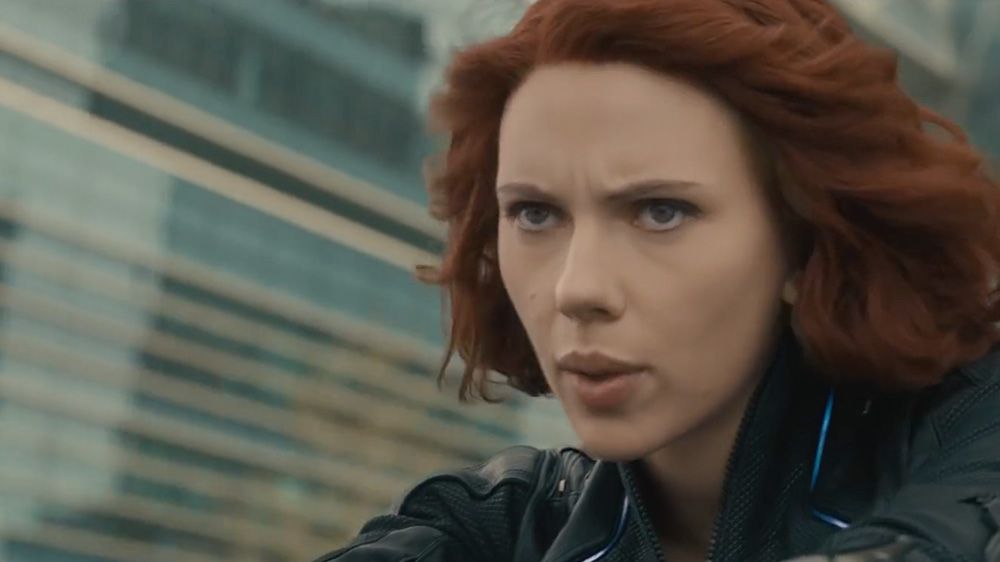
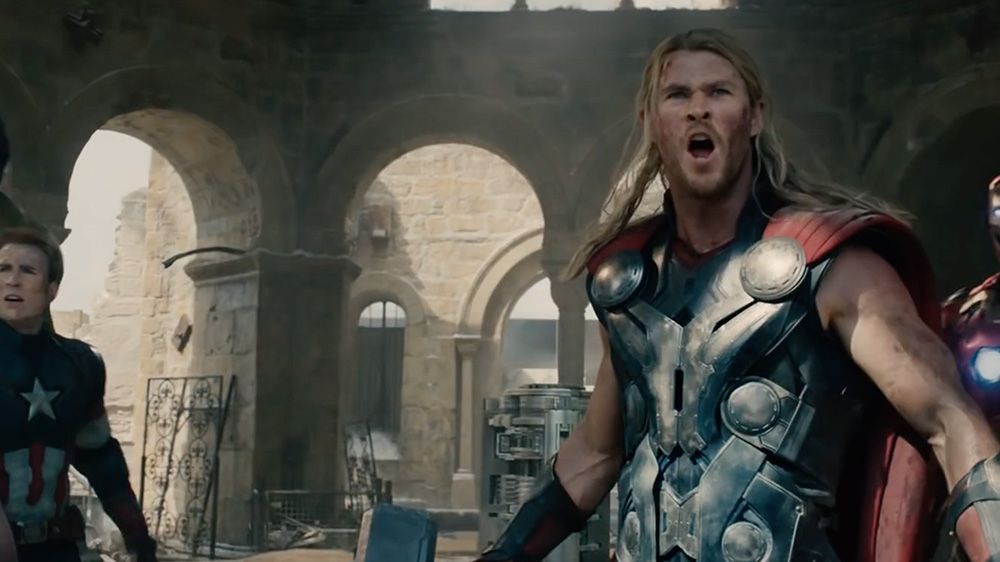
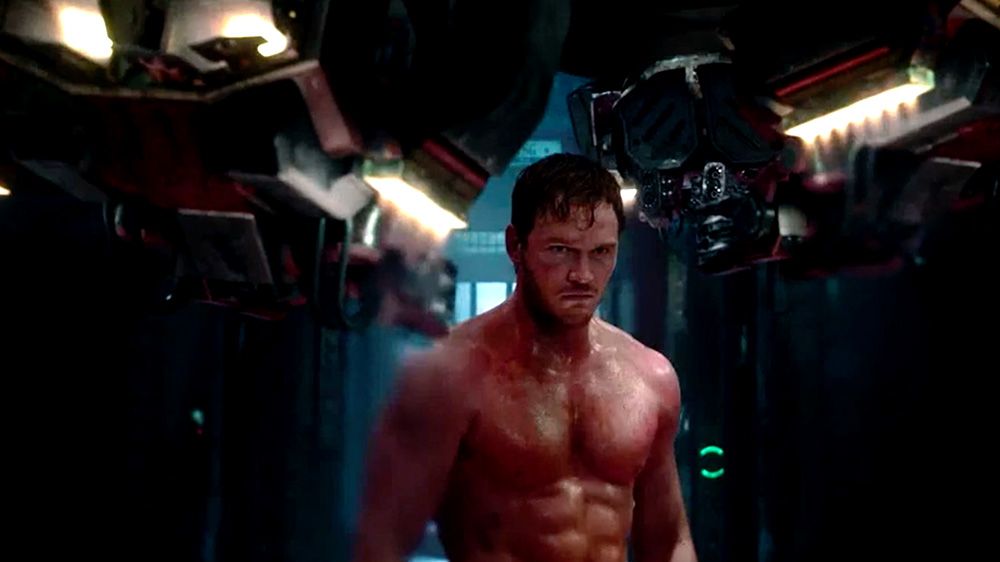
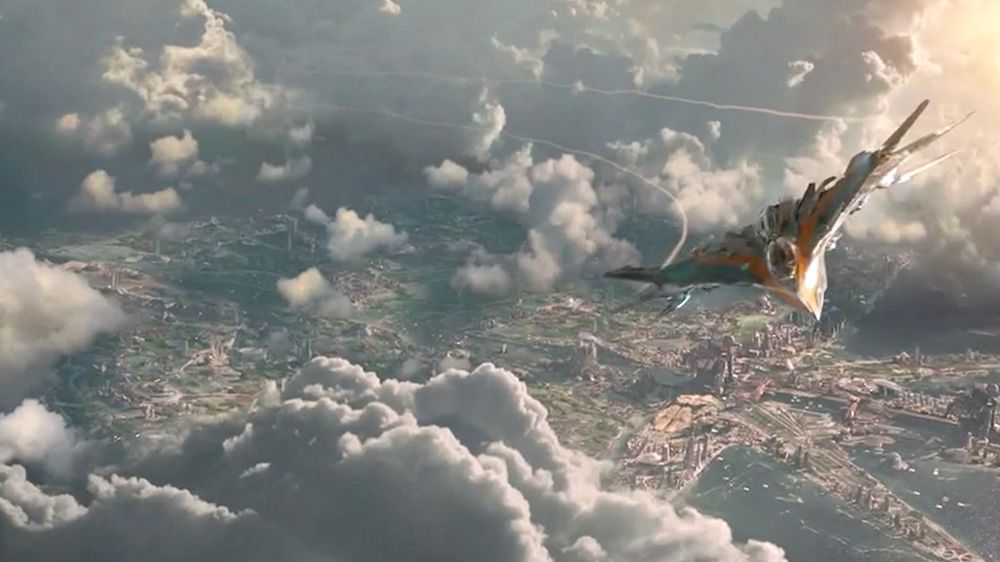
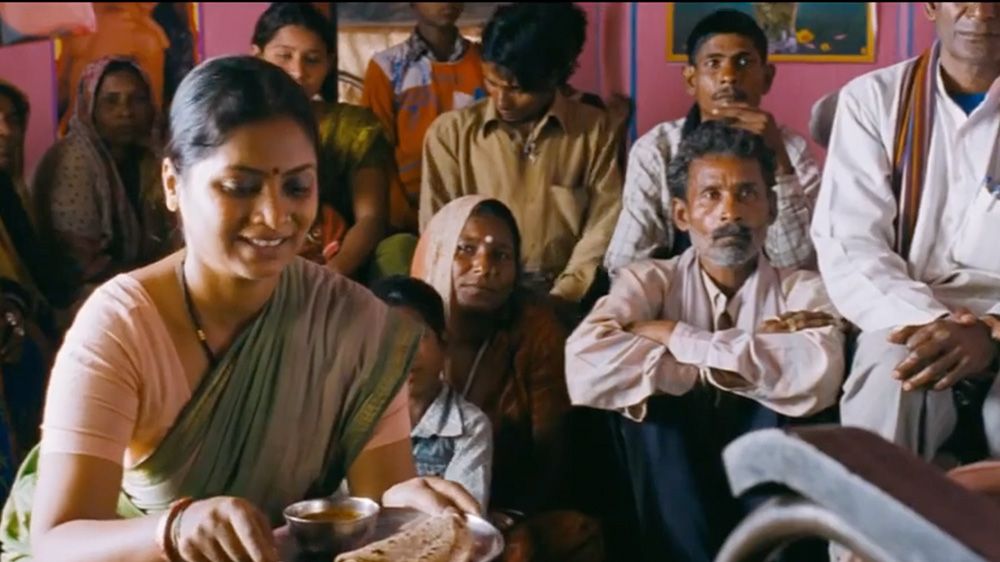
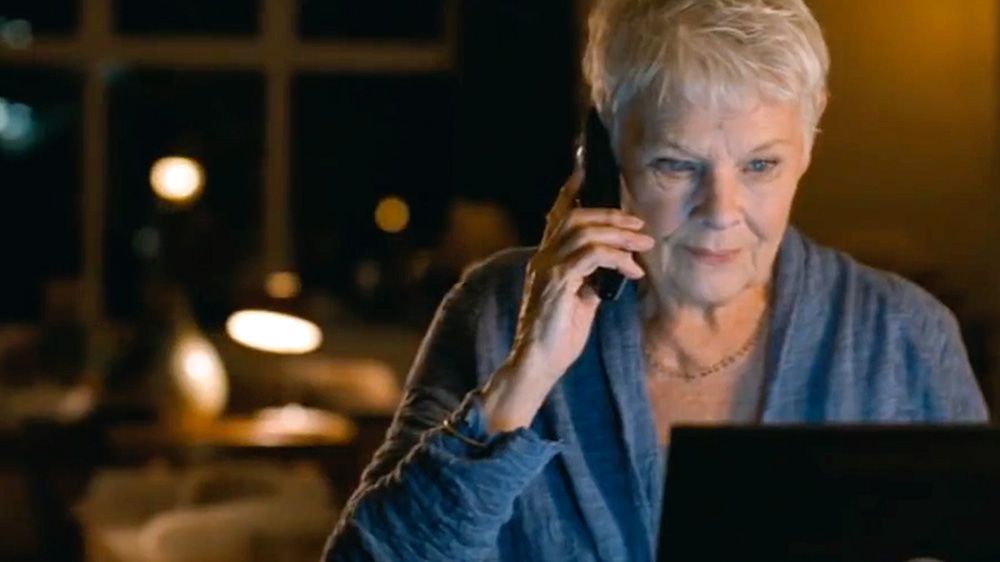
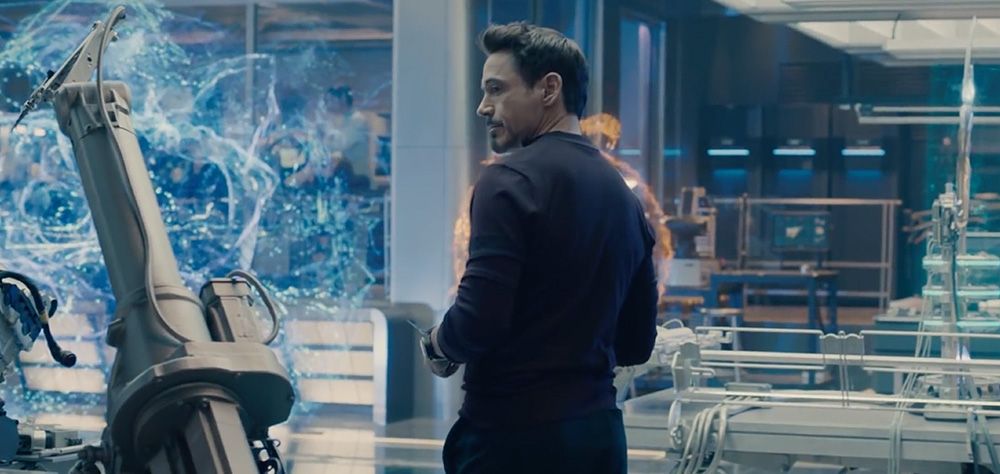
"Since working with Matthew on ‘Layer Cake’ I have gone on to shoot ‘Kick Ass’, ‘Hannibal Rising’, ‘The Best Exotic Marigold Hotel’, ‘Seven Psychopaths’, ‘Guardians of the Galaxy’, ‘Before I go to Sleep’, ‘Avengers: Age of Ultron’, ‘Genius’ and many others. When I look back at all of the films I have shot, every film is very different. There is such a wide range of genres with every film being a totally different experience for me; that is the wonderful thing about what I do."
"One of the things that I have learnt over the years as a cinematographer, is of course it’s your responsibility to photograph the film and make it look great. But you also have to learn to be responsible for more than just the cinematography, and to think about the film as a whole."
"For instance, when I am looking at rushes, principally I will be looking at the photographic elements. But I am also constantly asking myself if what I am seeing works as a scene. I am delving into what we need to do to make each scene work as part of the overall story."
"You have to remove yourself from just thinking about the film in terms of cinematography and start to look at the film as a narrative. And this can be a very difficult thing to do for a DP, as it’s an entirely different thought process. Knowing your script and what the director is trying to achieve is so very, very important."
"Learning a script is a real joy to me. I live in the quiet of the English countryside, so I tend to take my scripts home for three days or so, to think more carefully about them. The first thing I do with any new script is to speed-read it. I don’t want to become too distracted at this stage. That’s where being a DP can be a bit of a curse, because as soon as you start to read something, you can’t help but image how things could look."
"I will then read the script more carefully thinking about it creatively. I usually go through a process of visually breaking each scene down and trying to work out the arc of the story. What I am trying to do at this stage is to understand each and every scene and what they evoke in me emotionally. This is the part of the filmmaking process that I love the most – the part where your imagination can simply run wild."
"It’s usually then, that I will go through the script with the director and discuss every scene in detail. This is truly one of the most enjoyable times for me. This is when most of the creativity happens. We are not dealing with budget or time at this stage, you’re purely dealing with the art and nothing else."
"When you first get a script, it is pretty much a basic narrative with hopefully some basic description and screen direction. It’s then a team of director designer and DP who conjure up a visual world that carries that narrative. This happens in much the same way that a novelist uses words to conjure up their world. There are many parallels with what we do and the world of the novelist. I think that’s why writers make such great directors, because the imaginative process isn’t all that different."
"To be a good cinematographer, you also need to be a good observer of life. I am not a very sociable person and I am somewhat introverted. I guess that is why I choose to live my life behind a camera. What I am though, is an observer of human nature and the world around us."
"That’s why I admire such great photographers as Bill Brandt and Saul Leiter, because they really are masters of capturing the human condition. I have a large collection of photographic references in book form and some prints, and whenever I am looking for inspiration for a film project, I often find it in photography."
"As a DP, you are constantly framing images and looking at the influence of light on things all of the time! When I see something that interests me, I find myself analysing it in terms of composition and why is appeals to me. So there really is a mental process that comes with your work that does invade the rest of your life."
"I have always loved photography and composition. When I was younger, I tended to always photograph everything around me. I don’t do that any more. Instead, I choose to appreciate moments in life rather than trying to capture them. Because I spend my entire work-life with a camera between me and the world, when I see something beautiful now I tend to just stop and watch it and enjoy the moment. I guess I am far more conscious of trying to remove the camera from my personal experiences now."
"The other fascinating thing about my work-life, are all the actors you get to work with. When you watch them working everyday like I do, you get to fully appreciate what actors do. I get to see them as normal people before they hit that switch and go into their performance. It’s an incredibly difficult job. It is not until you get to work with actors like Nicole Kidman, Jude Law, Sam Rockwell, Judi Dench or Daniel Craig that you fully appreciate that ability."
"There is such a technical side to that profession as well. Knowing where the camera is and the key light, and knowing what the shot is and where and when to hit your mark. And all of those things have to happen seamlessly whilst they deliver their performance. Then they have to be able to repeat it all again, with absolute continuity throughout the entire character’s arc in a movie."
"It can be the most privileged place to be on a film set, because you are watching something incredible happening before your eyes. Sometimes you can be shooting a scene and it will literally send a shiver down your spine because the performance is that good. As the DP on a film, we’re given the honour of capturing those unique moments and preserving them forever. And I just love every moment of it."