Anton Nelson
“My Mother was a teacher working with people who had slipped out of the education system, from people taking a second try at an English qualification to returned British peacekeeping soldiers from the Bosnian conflict. And then my father was a medical researcher who managed a number of histopathology laboratory teams focused on blood medicines. So you wouldn’t have said, I came from the ‘typical’ creative family”
“For the most part my parents were supportive of my creative pursuits. Although I suspect my father, still doesn't entirely understand what I do for a living, he always wanted me to find my own way in the world; which can be a bit frustrating at times when I was looking for guidance in what to do next. But ultimately, I was empowered to find my own way for better or worse. Which thinking about it now, I am really grateful for that approach.”
“I guess one of the hallmarks of my family life, was that both of my parents are environmentalists and green activists. So my childhood was full of passionate discussions about the environment and their active support for Greenpeace’s focus on banning nuclear weapons. And so, I had a very strange creative background, is probably the best way of putting it.”
“Things started for me when I left high school at sixteen and bummed around for a year not knowing what to do with my life. I kept thinking to myself, will I end up working in a garden centre or bottle shop for the rest of my life; or am I going to get some form of education.”
“I have always had a passion for drawing and painting and so I thought of doing a course in art. After completing a foundation course I then went on to De Montfort University where I completed a degree in illustration and design. After university, I started working as commercial artist doing spot illustrations for magazines and book covers. A lot of what I drew was based on science and music, because that's what lent itself to my work. But I found it incredibly isolating, working as an illustrator on your own.”
“I soon found that I wanted more than just illustration. Something in me wanted to do some sort of business, but I had no real understanding of how to do that. And then a friend of mine told me she was doing an internship with Apple. She said to me in an offhand comment, that Apple were looking for a business development intern. But the people who were turning up didn’t interview all that well”
“I thought that was crazy. So, I applied myself - taking my portfolio of illustrations with me. When I arrived for my interview, the business manager with Apple very politely closed my portfolio and said that this was actually business development role!
“While I was doing creative business development with Apple, I was getting into video, just as DSLRs suddenly became a hot topic. I had been working with Apple’s partners at Sony and Panasonic with their camcorders, but the aesthetic looked really cheap to me. So when we started working with DSLRs, I was really taken by the cinematic look you could achieve using different lenses. And that’s pretty much how I found my way into cinematography.”
“Although I had a degree in design and illustration, I didn’t want to be tied to doing web coding and graphics jobs. I have always been a visual person who loves to draw. And for the most part, photography I used for reference as part of my creative practice as an illustrator. It wasn’t until I was working with DSLRs and video that I started to think creativity about filmmaking.”
“I remember Apple sent me to a photojournalism show in France, where I was initially inspired by the beauty of photojournalism. While I was at the show I met a girl from Moscow, who I became very close with. Later I went to Russia to see her and at the time she was photographing and interviewing a famous British DJ. But her journalist called in sick, and so she called me asking if I could do the interview with her. Simply because my English would be better than hers!”
“I had no idea how to interview a recording artist. But I knew that most of these types of interviews end up being really boring. And so I asked him all sorts of probing questions about music, social media, communicating directly with his fans on Myspace, and how his music was being stolen from Limewire, torrents etc.. After all, this was 2009, and the music industry was changing rapidly.”
“He was so baffled by the questions that he stopped the interview. He then started questioning me about what I thought would happen to the music industry, and what social media meant for recording artists. I figured the future was all about using social media to attract audiences to his concerts.That the days of earning money from music downloads, was changing and that the business model needed to evolve.”
“After our chat/interview he asked me to come and hangout at a couple of his gigs. He then asked me to come on tour with him to help figure out how to create the best content for social media. And that’s how I started my career in live music cinematography. For the next seven years, I toured with all sorts of music stars including Britney Spears, Orjan Nilsen, Nervo etc..”
“This was before Instagram, and so we were pioneering the way in which we could share content from concerts in the form of tour diaries. Before 2009, this stuff hadn’t existed and so it was a really exciting time. After we did Paul Oakenfold’s Perfecto Tour in 2009, the whole scene of doing after-movies to promote future concerts, kind of blew up. This sort of content has been a thing ever since”
“The kind of content I was shooting meant that you had to do everything the artist was doing. Concerts, parties, travelling, drinking, more parties, more travelling and more drinking. The lifestyle was everything you would expect it to be. Chaotic, a lot of excess and a total fantasy. After so many years on the road, I found it personality-distorting.”
“I remember coming home to London on my break between tours. I’d be out to dinner catching up with friends who were talking about buying houses or renovating kitchens. While all I had to talk about was the latest concert or where you could find the best Italian cheese and prosciutto. They were all building on their futures while I was just floating from gig to gig.”
“In 2013, I was headhunted by a guy who had founded an outdoor company in America, called F-stop Gear. I came onboard in Europe as their contract creative director. I enjoyed the creative direction role, as it was leveraging my design skills, project management skills and all of the experiences I had gained working with Apple. But it was still a challenge as it was very different to the creative content I had been doing in the music industry.”
“This was a job that relied upon my creative and business acumen. I was doing product launches helping with sponsorship opportunities. I was making all sorts of interesting business connections.
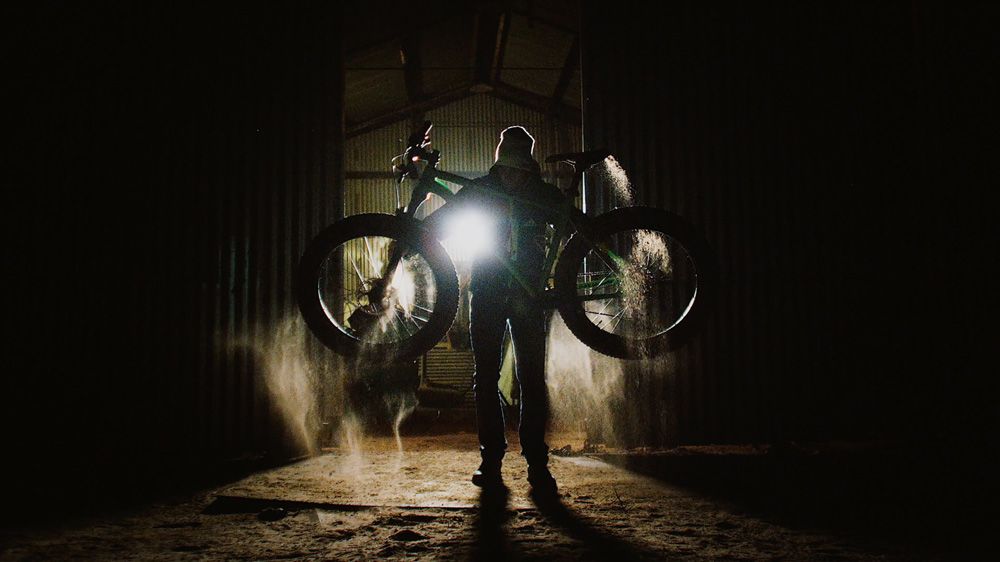
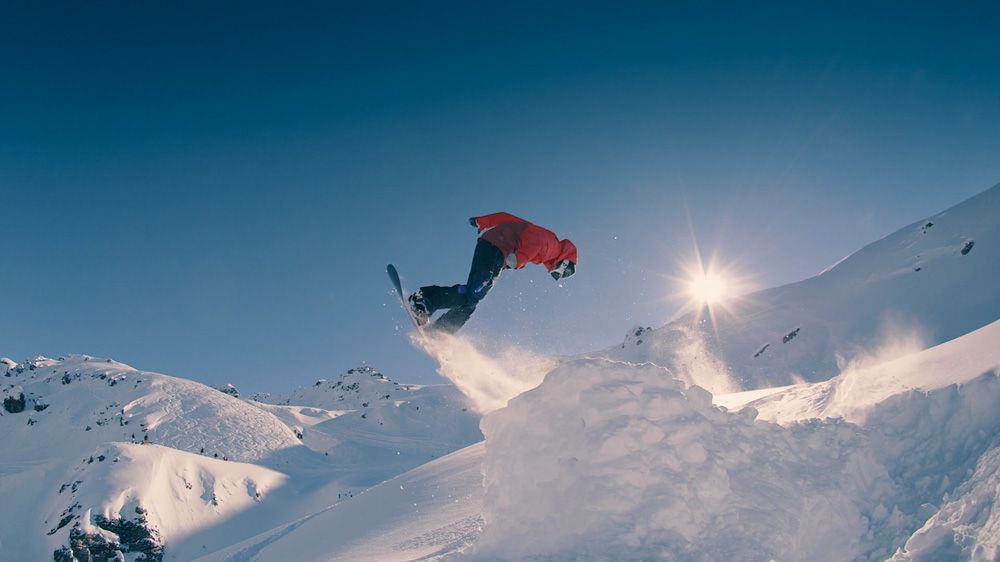
“We did another project with Red Bull in Africa, where I went to Namibia to document a mountain biker and a skier racing each other down sand dunes. It was crazy. Back then, I was just living the dream working with the F-stop’s creative team. It introduced me to the outdoor industry and action sports markets. I was experiencing every kind of outdoor sports you could imagine.”
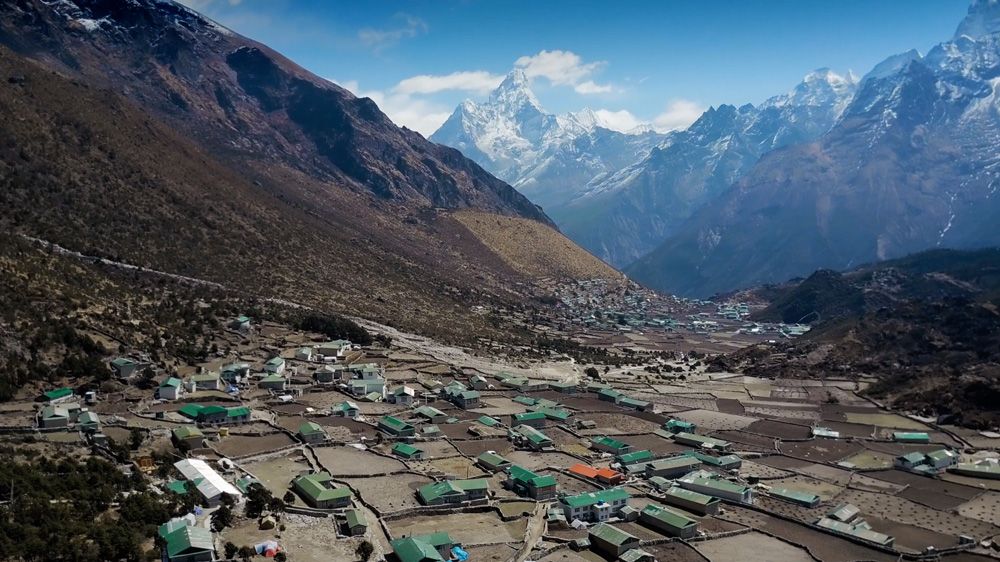
“Working on a contract meant that I could work with both the outdoor and music industries. When I left the music industry, I didn’t completely cut myself off from work opportunities. I was still working on projects that interested me. For example, I was shooting social media BTS and complementary footage for a documentary film called ‘Soundtrek’ at base camp on Everest. And then I was also working on a skiing action film for North Face, and by 2018, I was working on a European Race team series.”
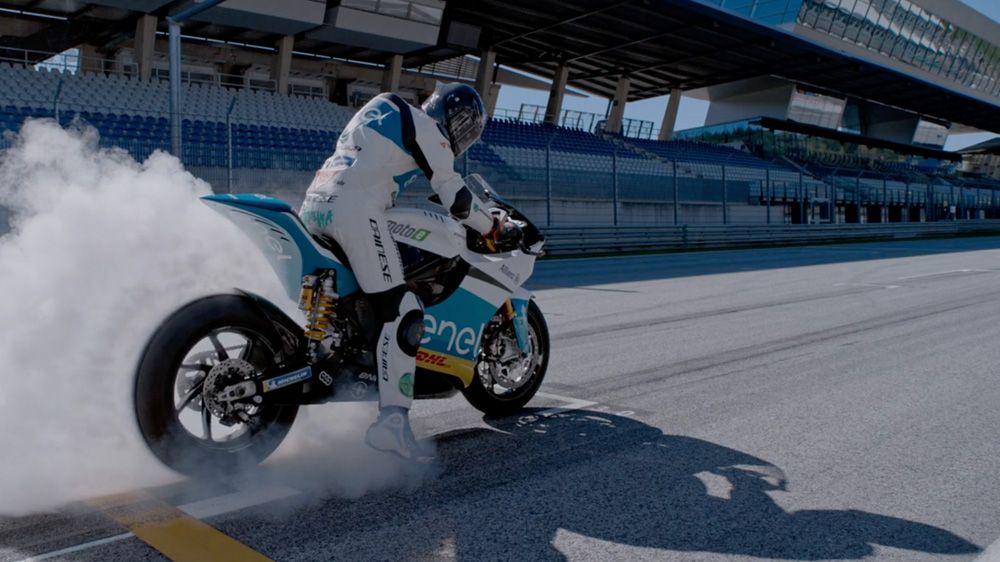
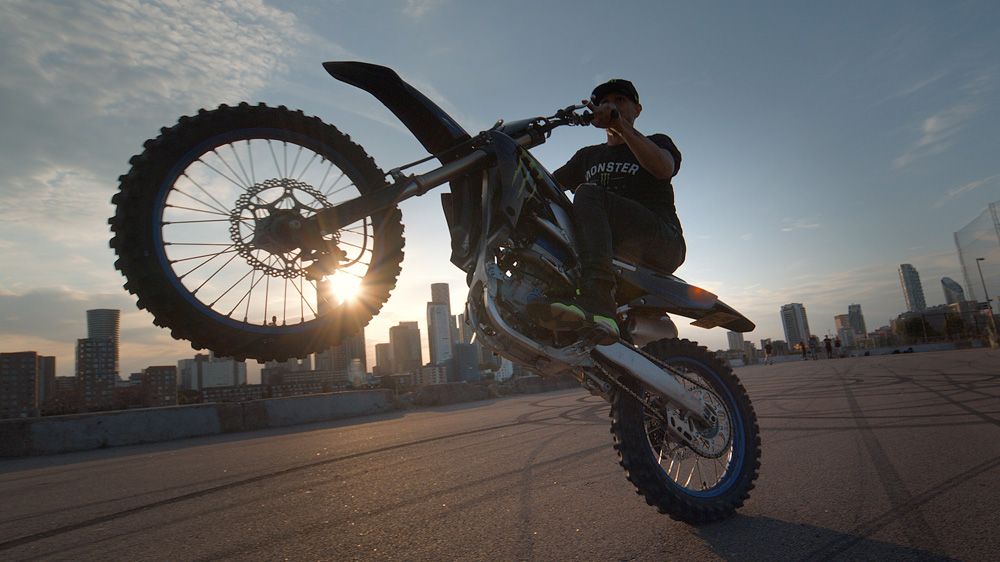
“The more of these productions I could work on, the more professional I became as a cinematographer. As camera equipment and the production workflows all improved, I was able to have a proper show reel and portfolio of work. Which is what got me to where I am today, professionally shooting both 2 wheel motorsports and Rallycross. I am also now shooting more electric motorsports, because I think that is where all motorsport is ultimately heading.”
“Nowadays I am still living in West London, which is only 35 minutes from my childhood home. I have seen the world, toured with rock stars and met some of the most adventurous outdoor competitors imaginable. I have been incredibly fortunate to have filmed everything from music concerts to motorsports. Cinematography has been life-changing for me.”